
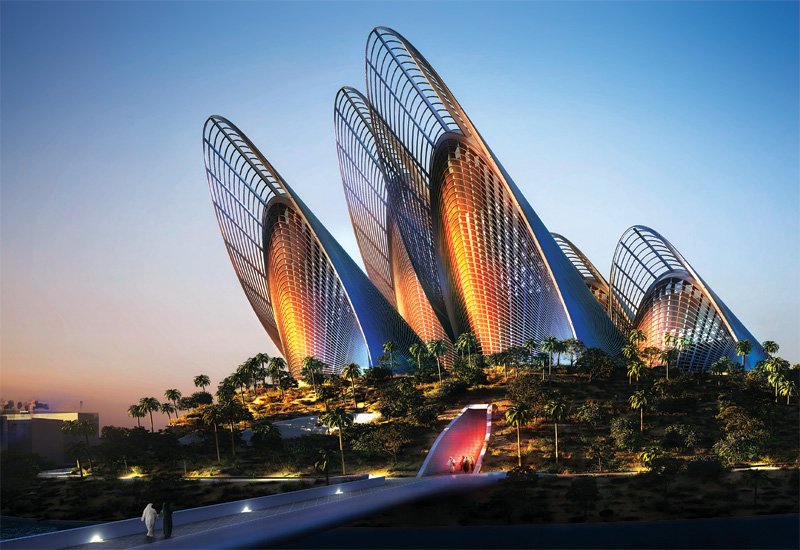
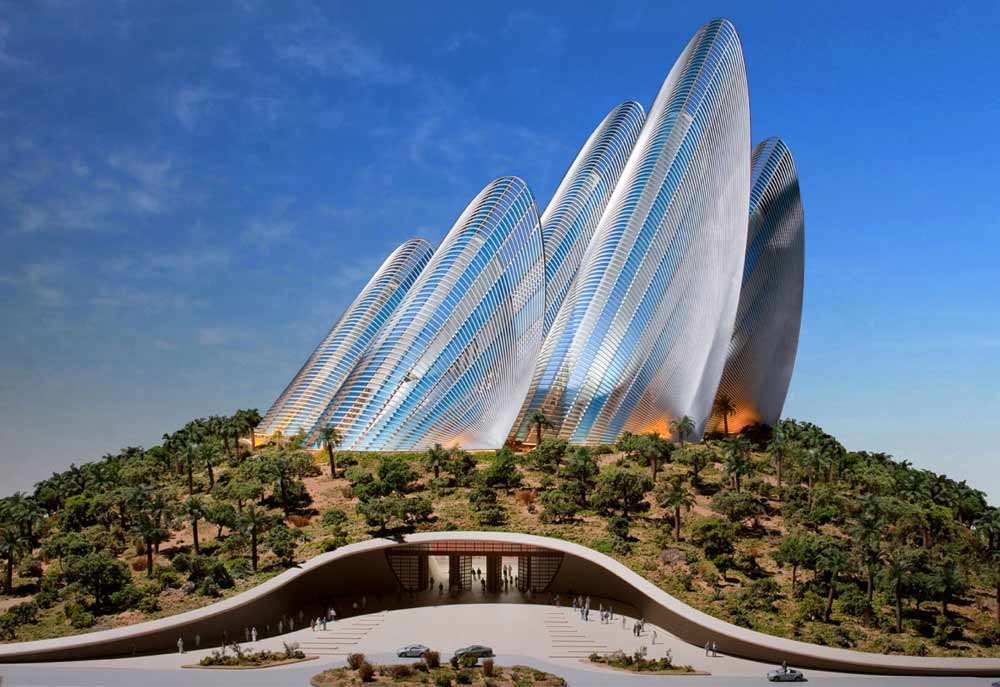
The Hidden Disabilities Sunflower Programme has officially been adopted by Abu Dhabi’s Zayed National Museum, marking a historic milestone as the first cultural institution in the Middle East to do so. This initiative highlights the museum’s commitment to creating an inclusive, welcoming environment for all visitors, ensuring that people with invisible disabilities feel acknowledged, supported, and respected.
Abu Dhabi’s Zayed National Museum has long been recognized as a hub of cultural excellence, celebrating the UAE’s rich heritage and history. By embracing this programme, the museum is taking accessibility to a whole new level, demonstrating that cultural experiences should be available to everyone, regardless of their abilities or challenges.
What is the Hidden Disabilities Sunflower Programme?
The Hidden Disabilities Sunflower Programme is designed to help organizations recognize and support individuals with non-visible disabilities. These disabilities may not be immediately apparent and can include conditions such as autism, learning difficulties, chronic illness, sensory sensitivities, or mental health challenges.

The programme uses a simple yet effective approach. Individuals with hidden disabilities can wear a sunflower symbol on a lanyard, wristband, or badge, indicating to staff that they may need additional support or understanding. This symbol acts as a quiet but powerful signal that helps create a more comfortable and accommodating experience.
Why Accessibility Matters
Accessibility is more than just physical access to ramps and elevators. True accessibility involves understanding and responding to a wide range of needs, including mental, cognitive, and sensory requirements. Cultural institutions like museums should be inclusive spaces where everyone can explore, learn, and enjoy without barriers.

By adopting the Hidden Disabilities Sunflower Programme, the Zayed National Museum is making a clear statement. Every visitor matters. People with invisible disabilities often face challenges that are overlooked in public spaces. This initiative ensures that they can navigate the museum, engage with exhibits, and participate in events without unnecessary stress or discomfort.
Training Staff for Inclusive Experiences
Implementing the Hidden Disabilities Sunflower Programme is not just about distributing lanyards or badges. Staff training is a critical component of the programme’s success. Museum employees are educated about various hidden disabilities and taught how to respond empathetically and effectively.
Training includes practical guidance on recognizing signs of stress, offering assistance when needed, and creating a supportive environment without being intrusive. This helps staff interact with all visitors in a thoughtful manner, enhancing the overall museum experience and ensuring that every visitor feels safe, comfortable, and respected.
Benefits for Visitors
The introduction of the Hidden Disabilities Sunflower Programme brings tangible benefits for visitors:
- Increased comfort. Visitors can explore the museum at their own pace without feeling rushed or anxious.
- Enhanced understanding. Staff are trained to recognize and accommodate different needs, reducing stress for visitors.
- A welcoming environment. The programme creates a more inclusive and supportive atmosphere for everyone.
- Community recognition. Visitors feel acknowledged and valued, promoting confidence and engagement.
Families, seniors, international tourists, and local residents alike can now enjoy a museum experience that respects their unique requirements. Visitors who may have previously avoided busy or crowded public spaces can participate fully, enriching their cultural engagement.
Community Impact and Awareness
Beyond individual benefits, the programme has a broader societal impact. Public awareness of hidden disabilities is still growing, and initiatives like this play a key role in fostering understanding and empathy. By embracing the Hidden Disabilities Sunflower Programme, the Zayed National Museum is contributing to a culture of inclusion in Abu Dhabi and the wider UAE.
Such initiatives reduce stigma and encourage other organizations to adopt similar measures. When visitors see that hidden disabilities are acknowledged and respected, it sends a powerful message that accessibility and empathy matter in all aspects of public life.
A Global Movement
The Hidden Disabilities Sunflower Programme has gained traction internationally, with many organizations in Europe, North America, and Asia adopting its principles. Museums, airports, shopping centers, and public transportation hubs are increasingly participating, creating a network of supportive spaces for individuals with hidden disabilities.
By joining this global movement, the Zayed National Museum not only elevates its own standards but also places Abu Dhabi on the map as a leader in inclusive cultural practices. It demonstrates that the UAE is committed to following international best practices while addressing the needs of all residents and visitors.
Quiet Spaces and Sensory Friendly Exhibits
An important aspect of the programme is the creation of sensory friendly spaces and quiet zones within the museum. Visitors with conditions such as autism or anxiety can benefit from areas designed to minimize overstimulation, providing a calm and comfortable environment for exploration.
These spaces may include softer lighting, reduced noise, and limited visual distractions. By offering these accommodations, the museum ensures that all visitors can enjoy the exhibits without feeling overwhelmed, supporting a positive and enriching experience.
Promoting Empathy and Understanding
The adoption of the Hidden Disabilities Sunflower Programme goes beyond practical accommodations. It also promotes empathy among staff and the public. Visitors without disabilities gain awareness of the challenges faced by those with invisible conditions, fostering a more compassionate and inclusive community.
Staff interactions are shaped by a deeper understanding of human diversity, helping create a culture of kindness and patience. This ripple effect strengthens social cohesion and positions the museum as a model for other cultural institutions in the region.
Future Plans for Accessibility
The Zayed National Museum has ambitious plans to expand accessibility further. These include:
- Providing detailed accessibility guides for visitors, highlighting accommodations and resources.
- Hosting workshops and events focused on inclusive practices.
- Partnering with local organizations to raise awareness about hidden disabilities.
- Continuously updating staff training to ensure best practices are maintained.
By integrating accessibility into its long-term strategy, the museum is ensuring that inclusivity remains a core principle, benefitting visitors now and for generations to come.
Why This is a Milestone for the UAE
The UAE has become known for innovation, cultural leadership, and progressive policies. The adoption of the Hidden Disabilities Sunflower Programme is another step toward creating a society that values all members equally.
This initiative highlights that inclusivity is a priority not only in public services but also in cultural institutions. It encourages other museums, galleries, and organizations across the country to implement similar measures, setting a new standard for accessibility in the Middle East.
Visitor Experiences and Community Feedback
Early reactions to the programme have been extremely positive. Visitors have expressed gratitude for the museum’s proactive approach, noting that it makes them feel safe and respected. Families with children who have hidden disabilities have highlighted how much more enjoyable and stress free visits have become.
Community groups and organizations supporting people with disabilities have praised the museum for its leadership. Their feedback underscores the importance of recognizing invisible challenges and responding with compassion, reinforcing the value of inclusive public spaces.
Conclusion: Leading the Way in Inclusive Culture
With the Hidden Disabilities Sunflower Programme, the Zayed National Museum is leading the way in creating truly inclusive cultural experiences. By recognizing the needs of visitors with invisible disabilities, training staff, and providing supportive environments, the museum is ensuring that everyone can participate fully and comfortably.
This pioneering move sets a benchmark for cultural institutions across the Middle East. It demonstrates that accessibility is not just about ramps and physical modifications. It is about empathy, understanding, and a commitment to seeing and valuing every visitor.
As the first museum in the region to adopt this programme, the Zayed National Museum is showing that cultural spaces can be welcoming for everyone. Visitors of all ages, abilities, and backgrounds can now experience the rich heritage of the UAE without barriers, making this initiative a defining moment in the region’s cultural and social progress.
Do follow UAE Stories on Instagram
Read Next – Qiddiya Deloitte Data Governance: Driving a Secure and Efficient Future