
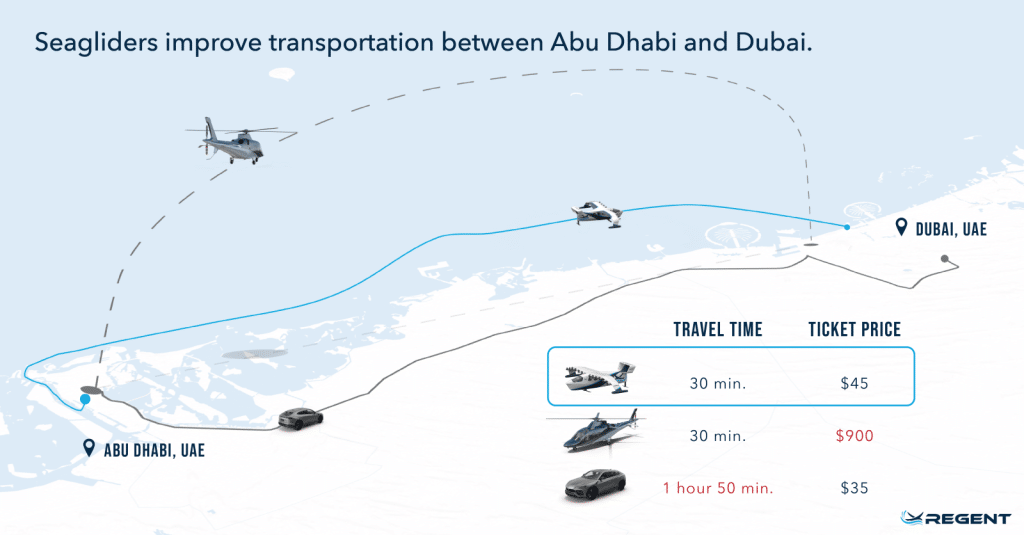
In a groundbreaking development that could revolutionize travel in the UAE, authorities are on the verge of unveiling a high-speed transportation system that will allow passengers to travel between Abu Dhabi and Dubai in under 30 minutes. The exciting news comes as part of the country’s ambitious plans to enhance connectivity and promote sustainable travel options.
This new system promises not only to significantly reduce travel time but also to offer an affordable solution, with a one-way ticket priced at just Dhs165. Here’s everything we know about this innovative transportation service and what it could mean for commuters, businesses, and the UAE’s transportation landscape.
A Leap Towards Seamless Connectivity
Currently, the journey between the UAE’s two largest cities, Abu Dhabi and Dubai, can take anywhere from 1.5 to 2 hours by car, depending on traffic conditions. This travel time can be a significant hurdle for commuters, particularly for those who have to travel frequently for work, business, or personal matters.

The new system, which is being developed with cutting-edge technology, promises to drastically cut down the commute time, making it easier than ever for people to travel between the two cities. With the advent of this new travel option, what was once a tedious and lengthy journey will now be a quick and efficient experience, bringing the two bustling cities much closer together.
The system will not only facilitate daily commuting but also enhance tourism and business exchange. For those visiting Dubai for business meetings or leisure and those traveling to Abu Dhabi for work or tourism, this faster option will offer a considerable time-saving advantage.

The Technology Behind the Speed
The new high-speed system will be built on state-of-the-art technology aimed at providing an ultra-efficient and sustainable mode of transportation. While the details regarding the specific technology being used remain under wraps, it’s clear that the system will leverage advancements in areas such as high-speed trains, maglev (magnetic levitation) trains, or hyperloop-style technologies. These systems are known for their ability to achieve speeds well above conventional rail and car transport, enabling faster travel times over long distances.
Maglev technology, for example, uses magnetic fields to lift and propel trains, eliminating friction between the train and tracks, allowing for speeds that can exceed 500 km/h. Similarly, the Hyperloop concept, which has been touted as a potential game-changer in global transportation, uses low-pressure tubes and magnetic propulsion to achieve extremely high speeds.
Given the potential of these technologies, it’s likely that the new transportation option between Abu Dhabi and Dubai will incorporate similar high-speed capabilities, making the 30-minute travel time a reality.
Affordability and Accessibility
One of the most remarkable aspects of this new transportation system is its affordability. At just Dhs165 for a one-way trip, the service will be accessible to a wide range of passengers, from daily commuters to occasional travelers. This pricing structure is expected to make the system an attractive option for individuals and families who would like to avoid the hassle of long car journeys, expensive taxis, or even the unpredictability of traffic on the highways.
The affordable fare will also open up new possibilities for both business and leisure travel. Given the strategic locations of Abu Dhabi and Dubai as key economic hubs, this high-speed service could foster greater collaboration and exchange between the two cities, benefiting sectors such as finance, real estate, tourism, and more.
The lower cost is also likely to attract tourists looking to explore both cities in a single day or weekend. Instead of spending valuable time on the road, visitors will be able to enjoy more of what each city has to offer—whether it’s the cultural landmarks in Abu Dhabi or the shopping and entertainment experiences in Dubai.
Boosting Sustainable Travel
In addition to its speed and affordability, this new system is expected to have significant environmental benefits. One of the key goals behind this initiative is to provide a more sustainable alternative to current forms of transportation. With growing concerns about climate change and the environmental impact of carbon emissions, the UAE is increasingly investing in sustainable and eco-friendly infrastructure.
High-speed rail and maglev technologies are inherently more energy-efficient than traditional cars and planes. They are typically powered by electricity and have the potential to be integrated with renewable energy sources, further reducing their carbon footprint. By shifting more people from private cars to high-speed public transportation, the UAE could make substantial strides in reducing congestion, lowering emissions, and promoting green travel.
Moreover, the ease of access to such an environmentally conscious mode of transport aligns with the UAE’s broader vision of sustainable urban development, which includes promoting cleaner energy and reducing reliance on fossil fuels.
Impact on Commuters and the Economy
For daily commuters who travel between Abu Dhabi and Dubai for work or business, the new system could bring profound changes to their lives. Commuting times will be slashed, allowing workers to have more flexibility and work-life balance. The ability to cover the journey in under 30 minutes could lead to a new wave of opportunities, with employees able to work in either city while residing in the other, making both cities even more interconnected.
In terms of the broader economy, this high-speed system could contribute to the growth of various sectors. The construction and operation of the new system will create jobs in fields such as engineering, technology, transport, and customer service. Additionally, enhanced connectivity will boost trade and tourism between Abu Dhabi and Dubai, two cities that already serve as regional economic powerhouses.
For investors, businesses, and entrepreneurs, this system opens up opportunities for expansion and collaboration across the two cities. It could make it easier for companies based in one city to access talent and resources from the other, further boosting the UAE’s status as a global business hub.
The Future of UAE Transportation
This high-speed transportation system is just one example of the UAE’s vision for the future of travel and mobility. As the country continues to develop its infrastructure, there are numerous other projects aimed at transforming the way people move within the UAE and beyond.
With the introduction of this new high-speed system, the UAE is set to further cement its reputation as a leader in innovation, sustainability, and urban planning. As the project progresses, we can expect to see more announcements about additional developments in the country’s transportation network, which will continue to raise the bar for efficiency, accessibility, and environmental responsibility.
Conclusion
In conclusion, the new high-speed transportation system between Abu Dhabi and Dubai represents a major step forward in the UAE’s efforts to modernize its infrastructure and create a more connected, sustainable, and efficient future. With a 30-minute journey time and a ticket price of just Dhs165, it offers a practical and affordable solution for commuters, businesses, and tourists alike. As the UAE pushes ahead with its ambitious plans for innovation and sustainability, this development could pave the way for even greater strides in the country’s transportation sector, benefiting both residents and visitors.
Do follow Uae stories for more Updates
Audi and Al Nabooda Celebrate Successful Sweeney Todd Collaboration at Dubai Opera