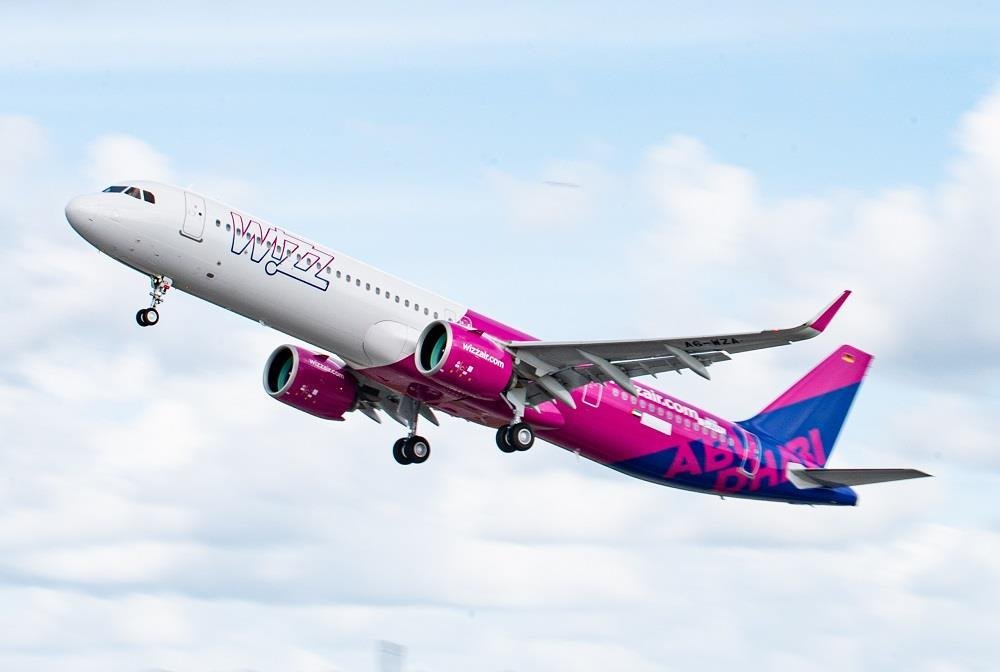
Wizz Air, the ambitious low-cost airline known for disrupting European skies with ultra-competitive fares, is entering a new chapter. In the wake of its decision to cease operations from Abu Dhabi, the carrier is taking a step back to re-evaluate and fine-tune its growth plans.
At the heart of this recalibration is the Airbus A321XLR — a long-range aircraft that was once the cornerstone of Wizz Air’s global expansion dreams. Now, the airline says it will “rationalise” this fleet, opting for a more measured and strategic approach to how and where it grows next.
From Bold Expansion to Strategic Pause
The decision to step away from its Abu Dhabi hub was not made lightly. For Wizz Air, Abu Dhabi represented a gateway to the East, and a symbol of its rising ambitions. But as market realities shifted and challenges mounted, the airline chose to prioritise long-term sustainability over aggressive expansion.

Rather than push forward blindly, Wizz Air’s leadership has signalled a more reflective mindset — one that values resilience, efficiency, and clarity over brute growth. This change in direction is not a sign of weakness. Instead, it reflects maturity: a readiness to learn from experience and reshape strategies that no longer serve the brand’s best interests.
The Future of the A321XLR in Wizz Air’s Fleet
The Airbus A321XLR was seen as a game-changer. With its extended range and fuel efficiency, it allowed low-cost carriers to consider routes previously deemed uneconomical. For Wizz Air, this aircraft opened up possibilities that stretched from Europe to Asia and beyond.

Now, with plans to rationalise its A321XLR fleet, Wizz Air isn’t turning its back on innovation. Rather, it’s becoming more selective. The company will focus on deploying these aircraft only on routes that promise consistent demand and profitability. It’s about precision, not volume.
Instead of spreading thin across unproven markets, Wizz Air wants to use the aircraft where they can do the most good — strengthening existing routes, testing new opportunities cautiously, and making every flight count.
A Smarter Growth Philosophy
Scaling back is rarely easy, especially for a company that has grown accustomed to rapid upward movement. But Wizz Air’s latest strategy points to a new kind of strength: the ability to reassess and course-correct in real time.
This isn’t about shrinking — it’s about sharpening. The airline still believes in growth, but it now embraces a smarter version of it. Less about quantity, more about quality. Less about reach, more about impact.
This philosophical pivot could, in the long term, give Wizz Air an edge over competitors still chasing scale at all costs.
Lessons from Abu Dhabi and the Power of Adaptability
The Abu Dhabi experience may not have gone as planned, but it has offered valuable lessons. Wizz Air entered a complex and competitive market, attempted to carve out its space, and ultimately realised that the conditions were not ideal. Walking away was not a retreat — it was a recalibration.
This move demonstrates the airline’s adaptability, which has always been one of its defining strengths. From its early days disrupting European air travel to its current evolution, Wizz Air has never been afraid to take risks. Now, it’s showing that it’s just as unafraid to step back, reassess, and pivot when needed.
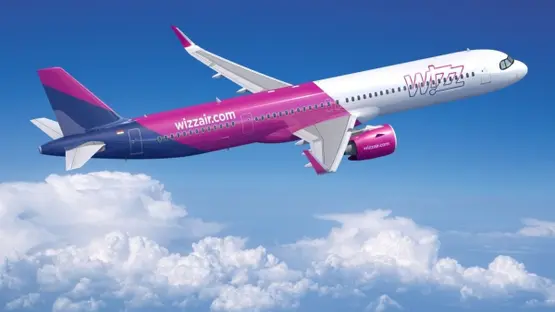
Adaptability is becoming a cornerstone of successful businesses in today’s world — and Wizz Air is proving that it knows how to evolve without losing sight of its identity.
A Moment of Reflection — and Renewal
As Wizz Air closes the chapter on its Abu Dhabi venture and scales down its A321XLR ambitions, there’s a sense of reflection in the air — but also a quiet confidence.
This isn’t a crisis. It’s a moment of renewal.
The airline is not withdrawing from its ambitions. It’s sharpening them. Not walking away from innovation, but applying it more wisely. Not abandoning growth, but ensuring that growth is sustainable and meaningful.
In many ways, this might just be the strongest version of Wizz Air yet — one that balances courage with caution, innovation with intention, and ambition with awareness.
Looking Ahead: Resilience as a New Currency
What lies ahead for Wizz Air is a landscape of opportunity, shaped by experience and guided by a clearer vision. The road will still be full of decisions, but each one will now be more thoughtful, more informed, and more aligned with the company’s long-term mission.
In the fast-moving world of aviation, adaptability is everything. And Wizz Air is choosing to rise not by flying the most routes or owning the largest fleet, but by flying smarter, staying focused, and holding true to its core — offering affordable travel while remaining agile and responsible.
Wizz Air may have pressed pause on some of its grander expansion dreams, but it’s far from done. In fact, it may just be getting started — on a stronger, smarter, and more sustainable journey than ever before.
Do follow UAE Stories on Instagram
Abu Dhabi Fintech Firm Synervest Nets $4M Series A