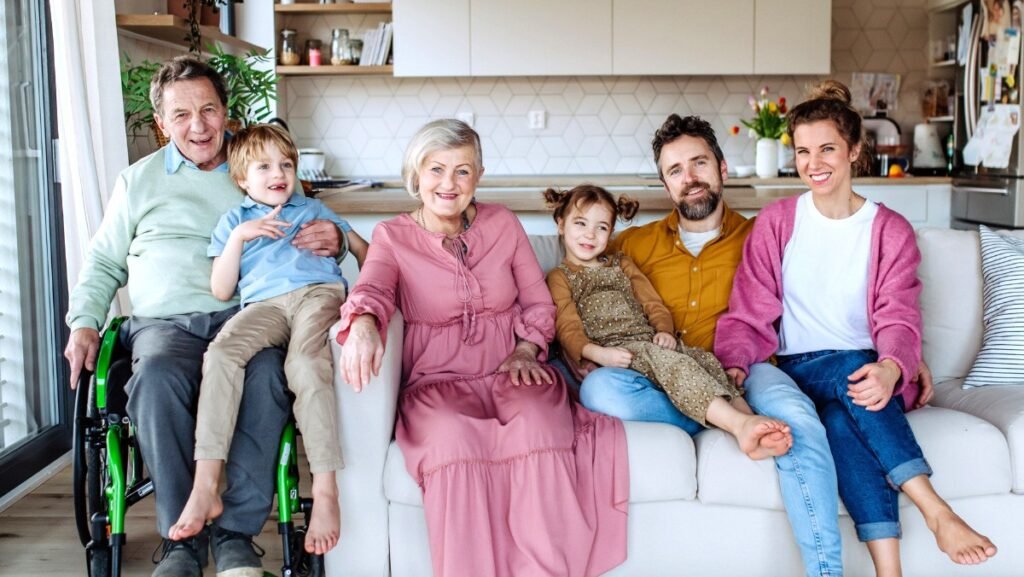
Multigenerational living, where multiple generations of a family live together under one roof, is a long-standing tradition in the UAE. Rooted in cultural values of family bonding and mutual support, this way of living continues to thrive. With changing economic conditions and evolving family dynamics, multigenerational households offer several advantages while also presenting unique challenges.
The Growing Trend of Multigenerational Living

In the UAE, it is common for grandparents, parents, children, and even extended family members to live together. Unlike in many Western countries where independence is prioritized, Emirati families often prefer the companionship and security that come with multigenerational living. This tradition is especially evident in large family villas, designed to accommodate multiple generations comfortably.
However, it’s not just Emirati families embracing this lifestyle. Many expatriates also adopt multigenerational living, particularly those from South Asian, Arab, and African communities. Factors such as rising housing costs, childcare needs, and elderly care responsibilities contribute to the growing number of shared homes.

Benefits of Multigenerational Living

1. Emotional and Social Support
Living together fosters a strong emotional bond among family members. Grandparents can actively participate in the upbringing of grandchildren, passing down cultural values, stories, and traditions. This arrangement also reduces loneliness and provides emotional support, especially for elderly family members.
2. Financial Advantages
Pooling financial resources significantly reduces the cost of living. Families can share expenses such as rent, utilities, groceries, and childcare. Additionally, younger family members may have the opportunity to save for future investments, while older generations benefit from a financially secure environment.

3. Childcare and Elderly Care
Parents often find it easier to balance work and family responsibilities when grandparents are available to help with childcare. Similarly, caring for aging family members becomes more manageable when multiple family members contribute to their well-being. This system reduces the need for external caregiving services.
4. Cultural Preservation
Multigenerational homes serve as a hub for cultural traditions and religious practices. Family members can celebrate festivals together, cook traditional meals, and maintain their native languages. This environment helps younger generations stay connected to their heritage.
Challenges of Multigenerational Living
While there are numerous benefits, multigenerational living also presents challenges that families must navigate.
1. Lack of Privacy
Personal space can be limited in a shared household. Family members may find it difficult to have privacy, leading to potential conflicts. Establishing clear boundaries and respecting personal space is crucial for maintaining harmony.
2. Generational Differences
Different generations often have varying perspectives on parenting, lifestyle choices, and household management. Communication and compromise are essential to prevent misunderstandings and disagreements.
3. Financial Strain
While cost-sharing is beneficial, it can also lead to financial strain if responsibilities are not evenly distributed. Open discussions about budgeting and expenses are necessary to ensure fairness.
Adapting to Modern Multigenerational Living
Many families in the UAE have adapted to modern living arrangements while retaining traditional values. Larger homes with separate living spaces, often referred to as “majlis” or annexes, allow families to maintain a sense of independence while staying connected.
Furthermore, advancements in technology, such as smart home systems, enhance convenience and communication within the household. Families also benefit from community initiatives and support services that offer counseling and conflict resolution strategies.
Government Support and Cultural Initiatives
The UAE government encourages family cohesion through various initiatives. Programs promoting family counseling, financial planning, and elderly care support the needs of multigenerational households. Additionally, housing projects often include designs that accommodate large families, ensuring comfort and privacy.
Religious and cultural institutions also play a significant role in supporting family values. Events, workshops, and educational sessions promote intergenerational bonding and communication.
Tips for Successful Multigenerational Living
- Set Clear Boundaries: Establish rules and respect personal space to minimize conflicts.
- Promote Open Communication: Encourage family members to express their concerns and opinions.
- Share Responsibilities: Divide household chores and financial contributions fairly.
- Celebrate Together: Plan family activities, meals, and celebrations to strengthen bonds.
- Seek Support When Needed: Access community services and counseling for guidance on managing conflicts.
Conclusion
Multigenerational living in the UAE is a testament to the enduring values of family unity and support. While challenges may arise, the benefits of shared experiences, financial stability, and emotional connection often outweigh the difficulties. With a commitment to understanding and compromise, families can create a nurturing environment that fosters love and togetherness.
Also read: From Earth to the Stars: How Sunita Williams Became a Space Icon