
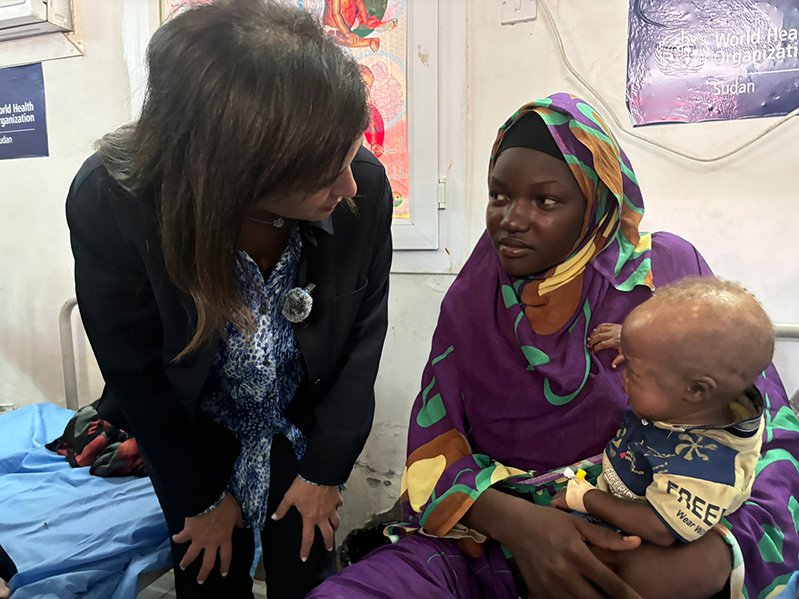
A high-level World Health Organization (WHO) mission has concluded a critical visit to Sudan, reaffirming the agency’s unwavering commitment to the health and well-being of the Sudanese people while issuing an urgent call to the international community to act swiftly and decisively in addressing what has become one of the world’s most alarming humanitarian and health emergencies.
As Sudan grapples with over a year of brutal civil war between the Sudanese Armed Forces (SAF) and the Rapid Support Forces (RSF), the country’s health infrastructure has collapsed, disease outbreaks are on the rise, and millions are at risk without access to medical care, clean water, and nutrition. The WHO’s mission aimed not only to assess the dire situation on the ground but also to catalyze stronger global response efforts to save lives and restore basic health services.
A Nation on the Brink
Sudan’s civil war, which began in April 2023, has displaced over 8.5 million people and led to widespread destruction across urban and rural areas alike. Khartoum, once a bustling capital, is now a ghost city with health facilities bombed, looted, or forced to shut down. According to WHO, only 30% of health facilities across the country remain functional—and many of these are operating under severe constraints, including shortages of medicine, fuel, staff, and equipment.

The mission, led by WHO Regional Director for the Eastern Mediterranean Dr. Hanan Balkhy and senior WHO Sudan officials, included field assessments in Port Sudan and discussions with humanitarian actors and health partners. Their findings underscore the urgent need to scale up coordinated health interventions to prevent an even more catastrophic loss of life.
“This is not just a health emergency—it’s a humanitarian catastrophe of unimaginable scale,” Dr. Balkhy said. “We have children dying from preventable diseases, women unable to access maternal care, and communities cut off from even the most basic health services. The world cannot stand by and watch this tragedy unfold. We must act now.”

Unprecedented Health Challenges
Sudan’s health crisis is multifaceted. In addition to injuries caused by direct conflict, WHO and partner organizations report a sharp rise in communicable diseases including cholera, measles, malaria, and dengue fever. Overcrowded displacement camps with poor sanitation and limited water access are becoming breeding grounds for disease outbreaks.
Malnutrition rates among children have soared. In conflict-ridden areas like Darfur and Gezira, aid agencies warn of a looming famine. An alarming number of children under five are suffering from severe acute malnutrition, and thousands of pregnant women are at risk without prenatal or emergency obstetric care.
Mental health, often overlooked in conflict zones, is another critical concern. Survivors of violence, displaced families, and health workers themselves are under immense psychological stress. WHO has called for the immediate integration of mental health services within emergency response frameworks.
Targeted WHO Priorities and Interventions
The high-level WHO mission identified four priority action areas to be urgently addressed:
- Securing Access to Conflict-Affected Regions: Humanitarian corridors must be opened to ensure safe delivery of health supplies and personnel to areas under siege. WHO is working with UN partners to advocate for ceasefire windows and demilitarized routes for aid delivery.
- Rehabilitation of Primary Health Services: WHO is supporting mobile clinics and community-based care in displacement camps, while aiming to restore functionality to primary health centers where feasible. Emphasis is being placed on maternal and child healthcare, vaccination campaigns, and basic emergency care.
- Disease Surveillance and Response: As outbreaks intensify, WHO is scaling up early warning systems to detect and respond rapidly to communicable diseases. This includes deploying epidemiologists and lab specialists, distributing rapid diagnostic kits, and coordinating with local partners.
- Support to Health Workers and Infrastructure: Sudan’s frontline health workers are operating under extreme conditions. WHO is facilitating protective equipment, training, and emergency stipends to support the medical community. Simultaneously, efforts are being made to repair damaged hospitals and re-establish cold chain systems for vaccines.
Appeals for Funding and International Solidarity
A key message of the WHO mission was the need for immediate, flexible funding to sustain and expand health operations in Sudan. The organization’s response plan for 2025 requires at least $178 million, but funding gaps persist, threatening life-saving interventions.
Dr. Balkhy appealed to the international donor community: “Every day that passes without action, more lives are lost. The Sudanese people are incredibly resilient, but resilience alone cannot provide healthcare, food, or protection. We urge governments, philanthropies, and private sector partners to step up now.”
She further emphasized the importance of political solutions alongside humanitarian aid: “While we focus on treating the wounded and preventing disease, we must not forget that only peace can truly heal this nation.”
Collaboration with Sudanese Health Authorities and Civil Society
Despite the chaos, WHO continues to collaborate closely with local health authorities and Sudanese civil society organizations. In Port Sudan—now the temporary seat of government—WHO has helped coordinate supply logistics and emergency response strategies in partnership with the Federal Ministry of Health.
The agency is also working with diaspora-led medical associations and Sudanese NGOs to provide training, telemedicine support, and health education. Civil society actors are being empowered to take part in health governance and community outreach, especially in remote and conflict-affected regions.
Regional Implications and Cross-Border Health
Sudan’s health crisis is spilling across its borders. Refugees fleeing to Chad, South Sudan, and Egypt are bringing with them health needs that neighboring countries’ systems are struggling to manage. WHO is coordinating with regional governments to implement cross-border health surveillance and immunization campaigns.
Port Sudan’s strategic position on the Red Sea is being used as a hub to bring in global aid shipments, but port capacity and logistical challenges remain serious obstacles. WHO has called for the urgent streamlining of customs procedures and international coordination to facilitate the flow of humanitarian goods.
A Call to Conscience
The WHO mission’s message was clear: the situation in Sudan is not just a Sudanese problem—it is a test of global conscience. The sheer scale of need, combined with restricted media access and diminishing global attention, risks making Sudan one of the most underfunded and overlooked crises of our time.
However, amid this bleak landscape, the resilience of health workers, community leaders, and volunteers stands out. Their courage is a reminder of what is still possible if the world chooses to act.
Conclusion: A Turning Point for Sudan?
As the WHO team concluded its mission, hopes were pinned on the global health and humanitarian community responding to this clarion call. There is still time to prevent the complete collapse of Sudan’s health system—but that time is rapidly running out.
With new pledges expected at upcoming donor conferences and greater engagement from international agencies, the momentum from this WHO visit could become a turning point.
Whether or not it does will depend on the decisions made in the coming weeks—not just by aid agencies, but by the world at large.
Do follow Uae stories for more Updates
Diplomatic Rift Deepens: Sudan Moves to Cut Ties with UAE Over Alleged RSF Support