Water Quality Forum 2025 brought together experts, scientists, and policymakers from around the world to address one of the most pressing public health concerns of our time: access to clean water and the prevention of waterborne diseases. The forum focused on how technological innovation, community involvement, and global collaboration can help improve water quality, reduce disease outbreaks, and ensure sustainable water management practices.
Introduction
Access to clean and safe water is essential for human health, economic development, and environmental sustainability. Yet, millions of people worldwide still struggle with water contamination and waterborne diseases. The Water Quality Forum 2025 offered a platform for international experts to share knowledge, exchange ideas, and explore innovative solutions to these challenges.
The forum emphasized the dual importance of innovation in water technology and proactive disease prevention strategies. By bringing together thought leaders and stakeholders, it became clear that improving water quality is not only a technical challenge but also a social and policy driven endeavor.

Innovations in Water Quality
Wastewater Surveillance
One of the key topics discussed was wastewater surveillance. Experts highlighted how monitoring sewage systems can provide early warnings of disease outbreaks. By detecting pathogens and contaminants in wastewater, authorities can take preventive measures before infections spread widely in communities.
Wastewater surveillance is becoming an essential tool for public health management. With the right technologies and data analytics, governments can track emerging threats, identify hotspots, and implement targeted interventions. This approach not only improves disease prevention but also allows for better resource allocation and response planning.

AI Powered Outbreak Prevention
Artificial intelligence AI is transforming water management. At the forum, experts presented AI powered systems that analyze water quality data in real time. These systems can detect unusual patterns and predict potential outbreaks of waterborne diseases.
AI algorithms can process vast amounts of data from sensors, satellites, and environmental monitoring systems to forecast risks. Predictive analytics help authorities make informed decisions quickly, minimizing health risks and improving public safety. The integration of AI in water quality management marks a significant step forward in proactive disease prevention.
Multiparameter Monitoring Systems
Recent advancements in sensor technology have enabled the development of multiparameter water monitoring systems. These systems continuously assess multiple aspects of water quality, including pH levels, turbidity, microbial contamination, and chemical pollutants.
Real time data from these sensors provide actionable insights for authorities and water managers. Early detection of contamination allows for rapid interventions, whether through filtration, disinfection, or public advisories. Multiparameter monitoring is particularly valuable for urban centers and areas with high population density, where water demand is high and contamination risks are elevated.
Innovative Filtration and Treatment Solutions
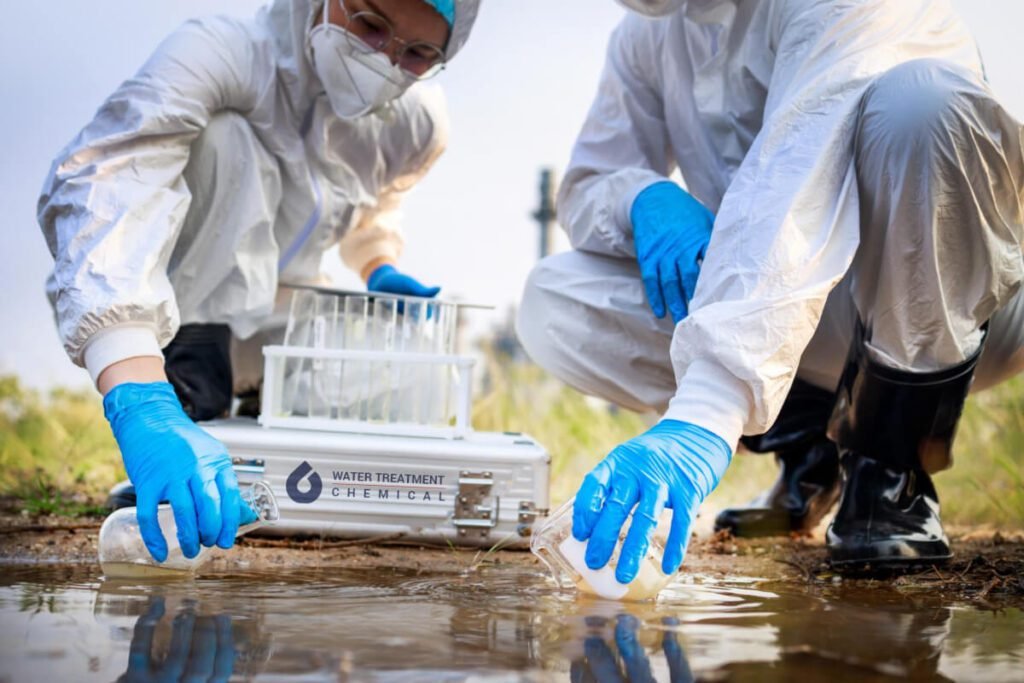
Another important area of discussion was innovative water treatment and filtration technologies. Experts presented new materials and techniques that improve the efficiency of water purification processes. From low cost portable filters to advanced chemical treatment methods, these innovations make clean water more accessible, especially in rural or underdeveloped regions.
Sustainable water treatment solutions also reduce the environmental impact of water management. By incorporating renewable energy sources and eco friendly materials, communities can ensure that their water systems remain safe, efficient, and environmentally responsible.
Disease Prevention Strategies
Rapid Pathogen Detection
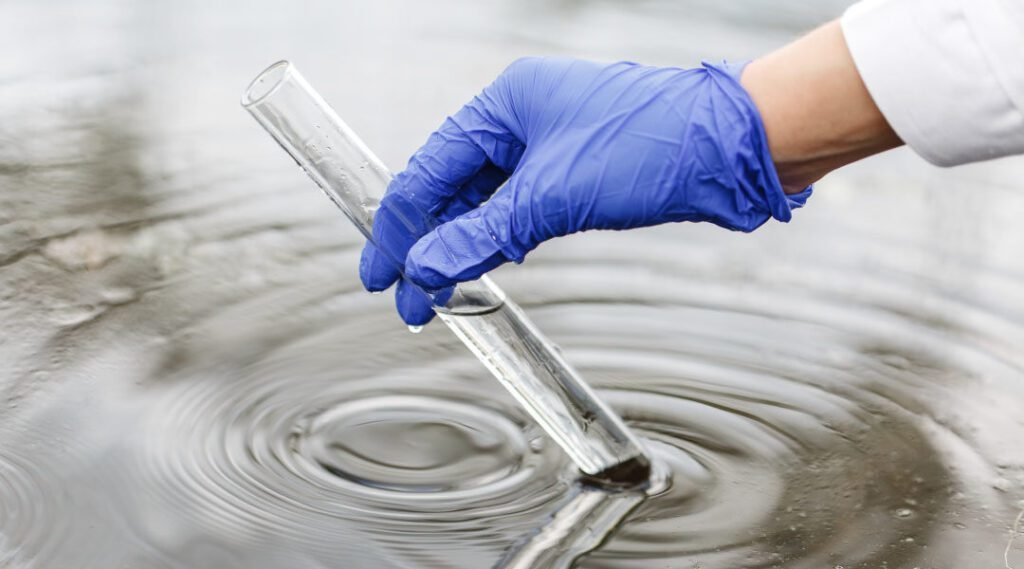
Rapid detection of pathogens in water sources is critical for preventing outbreaks. Experts emphasized the importance of diagnostic technologies that provide timely identification of harmful microorganisms.
With fast detection methods, health authorities can quickly implement corrective actions such as water treatment, public advisories, or temporary water supply restrictions. Early detection significantly reduces the risk of widespread disease and helps maintain public confidence in water safety.
Community Engagement
Community engagement was highlighted as a vital component of disease prevention. Educating local populations about hygiene, water handling, and the importance of monitoring water quality empowers individuals to take preventive measures.
When communities are actively involved in protecting their water sources, the overall risk of contamination decreases. Initiatives like citizen water monitoring programs, hygiene campaigns, and local water committees have proven effective in reducing waterborne illnesses and fostering long term behavioral change.
Policy and Regulatory Measures
Preventing waterborne diseases also requires strong policies and regulations. The forum stressed the importance of clear water quality standards, regular monitoring, and enforcement mechanisms.
Governments can work with private companies, NGOs, and international organizations to ensure that water sources meet safety criteria. Regulations that promote sustainable water management and pollution control play a crucial role in protecting public health and maintaining safe water supplies for future generations.
Collaborative Efforts for Sustainable Solutions
One of the key takeaways from the Water Quality Forum 2025 was the need for collaboration. No single organization or country can address water quality and disease prevention challenges alone.
International collaboration allows countries to share expertise, technologies, and best practices. Partnerships between governments, research institutions, NGOs, and private sector companies can accelerate innovation and provide more effective solutions.
Community level collaboration is equally important. By engaging local leaders, educators, and citizens, water quality initiatives can be tailored to specific contexts, ensuring practical and sustainable outcomes. Combining global knowledge with local implementation creates a holistic approach to improving water quality and preventing disease.
The Role of Education and Awareness
Education and awareness are critical to the success of any water quality initiative. The forum emphasized that people must understand the connection between clean water, hygiene, and disease prevention.
Schools, community centers, and media campaigns play a vital role in spreading awareness. Teaching children about water conservation, proper sanitation, and safe drinking practices lays the foundation for healthier future generations. Public awareness campaigns also encourage responsible water use and help reduce pollution, ensuring that clean water remains available for all.
Challenges and Future Directions
Despite the progress discussed at the forum, significant challenges remain. Climate change, population growth, industrial pollution, and urbanization all place pressure on water systems. Contaminated water continues to be a major source of illness, particularly in developing regions.
To address these challenges, experts stressed the importance of continued investment in research, technology, and infrastructure. Emerging technologies like AI, IoT enabled monitoring, and innovative filtration methods will play a major role. At the same time, strengthening community engagement and implementing effective policies remain essential.
Looking ahead, the forum encouraged ongoing collaboration between nations and organizations. Sharing knowledge, standardizing practices, and adopting innovative solutions globally can create a future where clean water is accessible to all and the risk of waterborne diseases is minimized.
Conclusion
The Water Quality Forum 2025 highlighted the vital intersection of innovation and disease prevention in water management. Experts agreed that technological advancements, combined with strong community involvement and effective policies, can significantly improve water quality worldwide.
Wastewater surveillance, AI driven monitoring, multiparameter systems, and innovative filtration technologies are paving the way for safer water. Rapid pathogen detection, community education, and regulatory measures ensure that these innovations translate into real world health benefits.
Ultimately, collaboration at all levels from local communities to international organizations is key to sustainable water management and disease prevention. By embracing both technological and social strategies, the global community can work toward a future where clean water is a universal reality and the risks of waterborne diseases are dramatically reduced.
Water Quality Forum 2025 reaffirmed that safe water is not only a necessity but a shared responsibility, and with collective effort, innovation, and awareness, it is a goal that can be achieved.
Do follow UAE Stories on Instagram
Read Next – Launch of LUMENA ALTA by OMNIYAT Marks Two Decades of Architectural Masterpieces