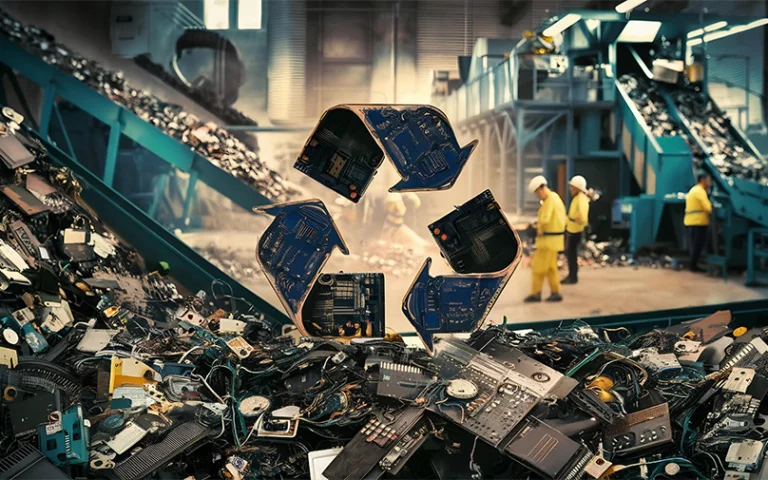
Waste management policies are evolving rapidly, especially in urban environments like the UAE. With growing populations and increased consumption, the necessity for effective waste management solutions has never been more critical. In this article, we will explore the latest updates in waste management policy, their implications, and what they mean for residents and businesses alike.
Understanding the Importance of Waste Management Policies
Waste management policies are essential for maintaining public health and safeguarding the environment. These policies dictate how waste is collected, treated, and disposed of, addressing issues such as recycling, landfill use, and waste reduction. Recent updates to these policies reflect a heightened awareness of sustainability and a commitment to reducing the ecological footprint.
As urban centers continue to grow, the volume of waste generated rises correspondingly. This increase necessitates continuous improvements and adaptations in waste management strategies. Therefore, understanding the latest updates is vital for everyone from individual residents to large corporations.

Key Changes in Waste Management Policies
In recent years, several significant updates have taken place in waste management policies across the UAE. These changes are designed to promote sustainability and improve efficiency in waste handling.
Stricter Regulations on Single-Use Plastics
One of the most notable updates is the increased regulation on single-use plastics. Many municipalities are implementing bans or restrictions on plastic bags and straws. This move aims to reduce the amount of plastic waste entering landfills and oceans, encouraging a shift towards reusable alternatives.

Enhanced Recycling Initiatives
Another significant update involves enhanced recycling initiatives. Governments are investing in advanced recycling technologies and infrastructure. New policies are encouraging residents to separate their recyclables at the source, making it easier for waste management companies to process these materials effectively.
Introduction of Waste-to-Energy Programs
Waste-to-energy programs are gaining traction as part of the waste management policy updates. These initiatives involve converting waste materials into usable energy, thereby reducing the volume of waste sent to landfills while generating renewable energy. This shift not only addresses waste disposal issues but also contributes to energy sustainability.
The Role of Technology in Waste Management
Technology is playing a crucial role in modernizing waste management policies. Smart bins equipped with sensors can monitor waste levels, optimizing collection schedules and reducing unnecessary pickups. This innovation minimizes fuel consumption and enhances overall operational efficiency.
Additionally, mobile applications are being developed to educate the public about waste disposal practices. These apps offer information on recycling guidelines and local disposal options, empowering individuals to make more informed choices regarding their waste.
Community Involvement in Waste Management
Community engagement is a cornerstone of successful waste management policies. Recent updates emphasize the importance of public participation in waste reduction efforts. Local workshops and educational campaigns are being organized to raise awareness about the significance of reducing waste and the benefits of recycling.
Encouraging community involvement fosters a sense of responsibility and ownership over local waste management practices. When individuals understand the impact of their actions, they are more likely to engage in sustainable behaviors that align with updated policies.
The Economic Impact of Waste Management Policy Updates
The economic implications of these waste management policy updates are profound. By investing in sustainable waste management practices, the UAE can create new job opportunities in recycling and waste processing industries. Additionally, reducing waste can lead to significant cost savings for municipalities by lowering landfill costs and improving resource efficiency.
Businesses that adopt sustainable waste management practices can also benefit economically. Consumers are increasingly prioritizing sustainability, and companies that align with these values can enhance their brand image and customer loyalty.
Looking Ahead: The Future of Waste Management Policies
As we look to the future, it is clear that waste management policies will continue to evolve. The focus will likely shift towards more comprehensive strategies that encompass not just waste collection and disposal but also education and community engagement.
Investments in research and development will be crucial for identifying innovative solutions to waste management challenges. Collaboration between governments, businesses, and communities will drive progress and help create a sustainable future.
Conclusion: Stay Informed on Waste Management Policy Updates
Waste management policy updates are critical to ensuring a cleaner and more sustainable environment. As these policies evolve, it is essential to stay informed and engaged. Understanding the implications of these changes can help individuals and businesses adapt and contribute to a more sustainable future.
By embracing the updates in waste management policies and participating in community efforts, everyone can play a part in reducing waste and protecting our environment.
Do follow UAE Stories on Instagram
Read Next – Dubai Educational Service Expansions Transforming Future Learning