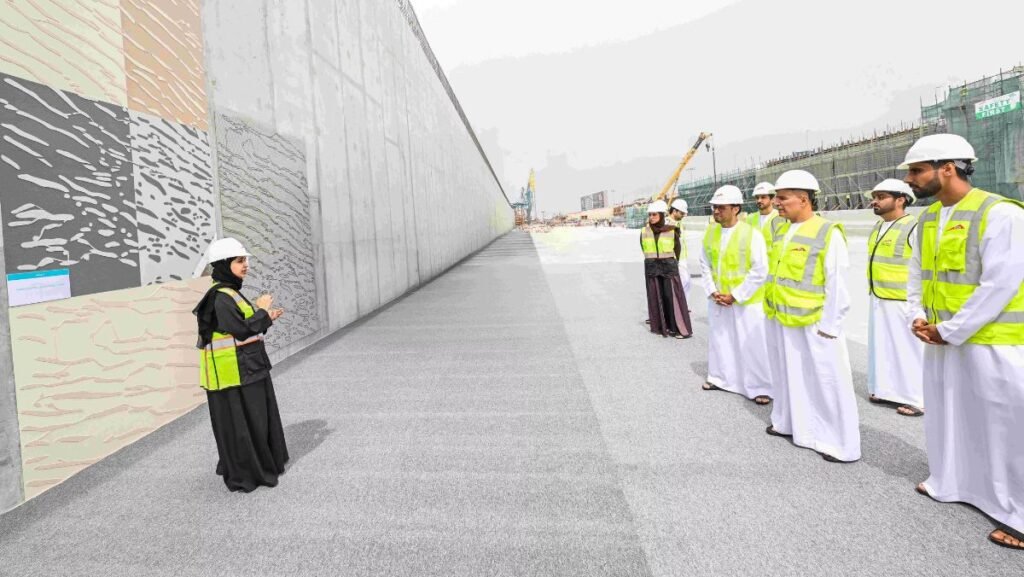
The Umm Suqeim Street project in Dubai is nearing a major milestone, with 70% of the work now completed, according to the Roads and Transport Authority (RTA). Once finished, the upgraded road aims to transform how traffic flows in the city, using the latest AI-powered monitoring systems to reduce congestion and improve safety.
Umm Suqeim Street is one of Dubai’s most important roads, connecting key residential and business areas. But over the years, it has become known for heavy traffic, especially during peak hours. With this new project, the RTA promises a smoother, faster, and smarter travel experience for drivers.
A Smart Makeover for a Busy Road
The Umm Suqeim Street project is part of Dubai’s larger plan to become a smart city. The project includes:

- Road widening to handle more vehicles
- New pedestrian bridges for safety
- Improved intersections with AI-based traffic signals
- Smart surveillance and traffic sensors across the route
This large-scale initiative covers a stretch that connects Al Khail Road, Al Barsha, Jumeirah, and Al Quoz, making it a crucial link in the city’s road network.
Speaking to the media, Mattar Al Tayer, Director-General of RTA, said:

“The Umm Suqeim Street project is vital for easing traffic in some of Dubai’s most crowded areas. With smart technologies, we’re not just building roads — we’re building solutions for the future.”
How Artificial Intelligence Will Manage Traffic
One of the most futuristic features of this road project is the use of Artificial Intelligence (AI). Instead of relying on fixed schedules, AI will monitor traffic flow in real time and adjust signals automatically to improve movement.
Here’s what the AI system will do:
- Track vehicle volume and identify congested areas
- Adjust traffic light timings dynamically based on flow
- Detect accidents or stalled vehicles and alert authorities
- Connect with navigation apps to suggest faster routes
This AI-based system is designed to cut down delays, prevent traffic jams, and make the road safer for everyone.
Who Will Benefit the Most?
The Umm Suqeim Street project is expected to benefit a wide range of people:
- Daily commuters driving between Sheikh Zayed Road and Al Khail Road
- School children and parents in residential zones like Al Barsha and Jumeirah
- Business owners and delivery drivers needing reliable routes
- Pedestrians and cyclists, thanks to new bridges and safer walkways
With better connections and smoother travel times, the upgraded road will also help reduce fuel usage and vehicle emissions, aligning with Dubai’s green goals.
Current Progress: What’s Already Done
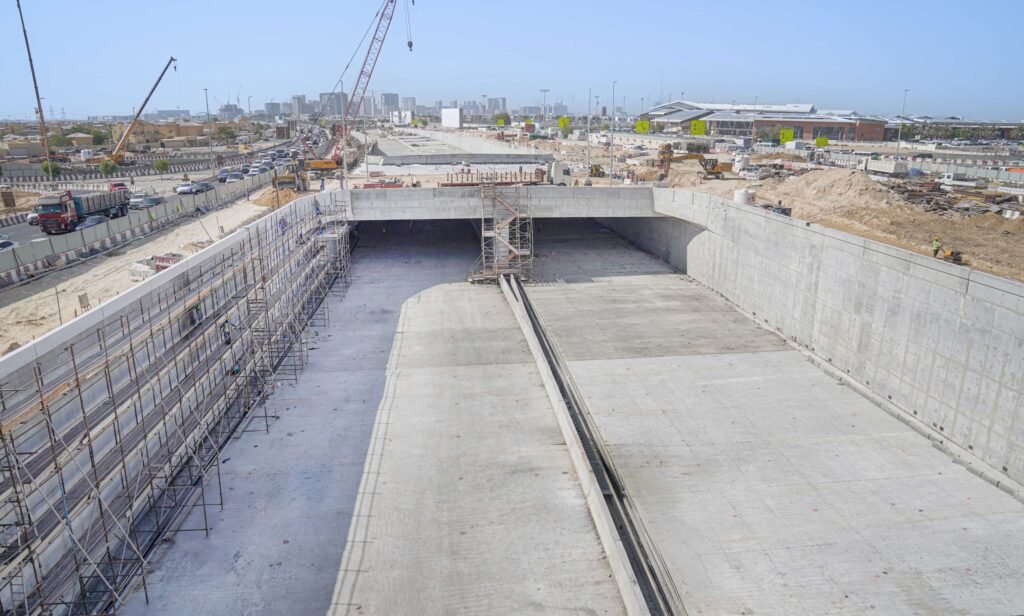
The RTA has shared updates showing that 70% of construction is now finished. Major accomplishments include:
- Completion of key road expansion segments
- Installation of around 60% of AI sensors and cameras
- Construction of two pedestrian bridges, with more in progress
- Realignment of key intersections to improve turning lanes and safety
The final phase of the project will focus on:
- Testing the AI software in live conditions
- Fine-tuning signal timings across intersections
- Landscaping and visual upgrades to enhance the area’s look and feel
The full project is set to be completed by the end of 2025, although some segments may open earlier.
Residents Already Seeing a Difference
Even though the project is still ongoing, some drivers say they’ve already noticed improvements. Roads are smoother, and there’s better signage to guide them through diversions.
“I used to spend nearly 30 minutes just crossing one intersection near Al Barsha. Now it’s cut down to 10 minutes,” said Ahmed Reza, a private driver who uses the route daily.
“I love that the city is thinking long term. AI traffic control sounds like something from the future, but it’s happening right here,” added Sara Ibrahim, a working mother who lives in Jumeirah.
How the Project Fits Into Dubai’s Smart City Vision
Dubai’s transport strategy is not just about laying asphalt. The city wants to be a global leader in smart mobility. The Umm Suqeim project aligns with other futuristic plans, such as:
- Driverless taxis, expected to launch soon
- Flying air taxis, already tested in parts of the city
- Smart parking systems, helping drivers find free spots faster
- Integrated transport apps that track buses, metro, and roads
Dubai aims to automate 25% of its entire transport system by 2030, and projects like Umm Suqeim Street are key steps toward that goal.
What Drivers Should Know During Construction
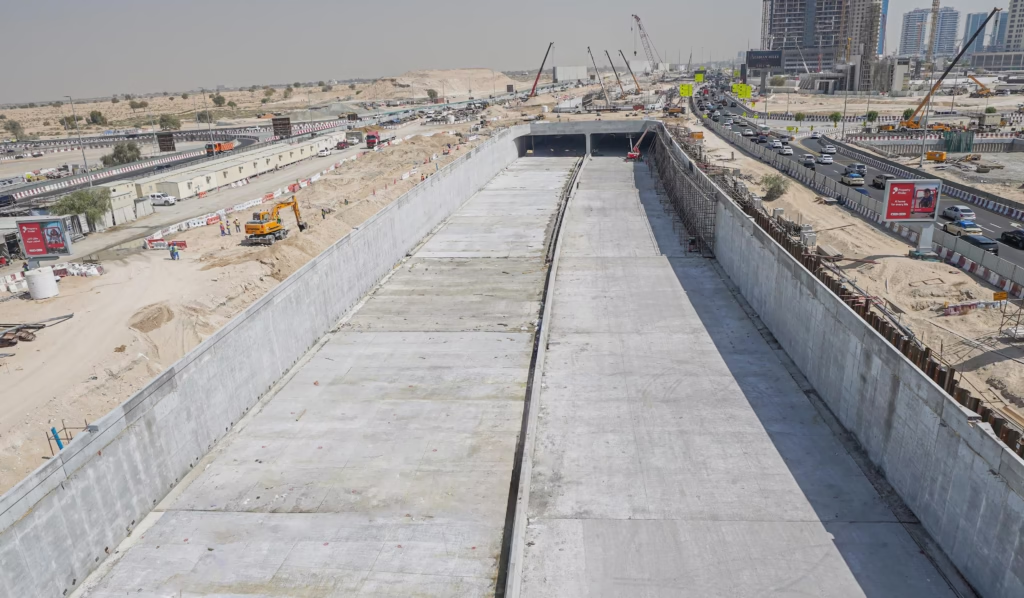
While improvements are underway, the RTA urges drivers to:
- Use alternate routes when available
- Respect temporary traffic signals and barriers
- Stay informed through the RTA app or social media channels
Temporary roadblocks or slower travel may occur in certain areas, but RTA promises that disruptions will be kept to a minimum.
Expert Opinions on AI in Road Projects
Urban planning experts say Dubai’s use of AI in infrastructure is ahead of its time.
“What makes the Umm Suqeim project special is how it combines hard infrastructure with digital tools. It’s not just concrete and metal — it’s smart data at work,” said Dr. Laila Mansoor, a transportation consultant at the University of Dubai.
“AI brings adaptability. That’s the future of urban mobility. Fixed schedules don’t work anymore when you have millions of people on the move,” she added.
Future Road Upgrades Inspired by Umm Suqeim Success
If this project proves successful, more roads in Dubai could be upgraded in the same way. RTA is already studying similar plans for:
- Al Khail Road intersections
- Hessa Street improvements
- New AI installations across Dubai Silicon Oasis and Business Bay
This means that over time, more of Dubai’s road network will become smart and responsive, not just functional.
In Conclusion: What This Means for the Future of Dubai Roads
The Umm Suqeim Street project is not just another road construction job—it’s a glimpse into the future of how cities can combine engineering, technology, and data to solve real-world problems.
With 70% of the work now complete, drivers can look forward to faster, safer, and less stressful commutes in the near future. As Dubai continues its mission to become one of the smartest cities in the world, this project stands as a clear example of what’s possible when vision meets innovation.
Read More: Dubai Government Overhauls Workplace Rules With Committee System