The rising trade tensions between the United States and China are causing major changes in how goods move around the world. One big effect is that Chinese goods, which used to be shipped to the U.S., are now being sent to other countries — including the UAE.
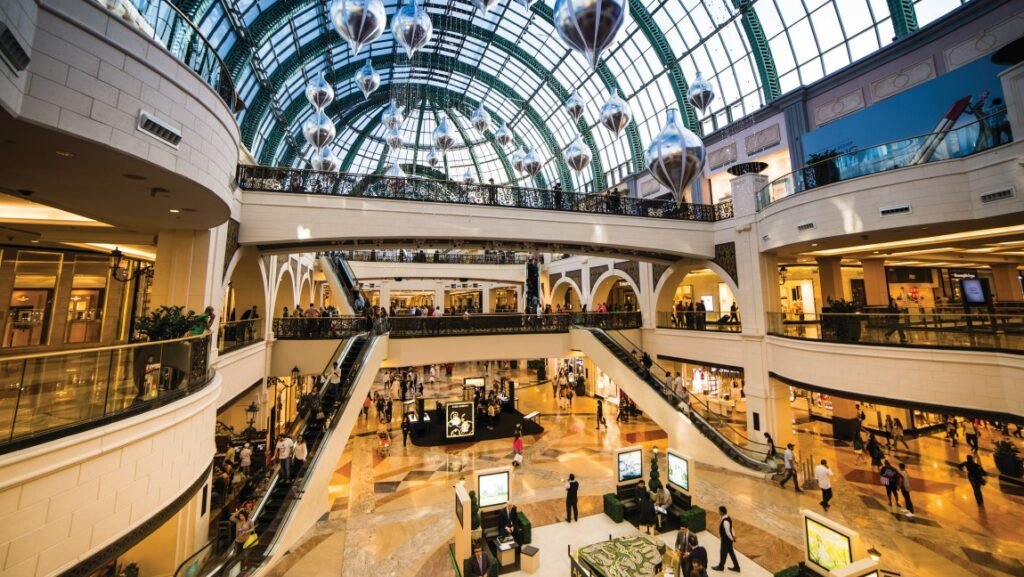
This shift, also called Chinese goods diversion, could become a serious issue for shopping malls in the UAE, especially those located in non-prime or less popular areas.
Why Are Chinese Goods Being Diverted?
The U.S. has recently increased tariffs on many Chinese products. This means American companies have to pay more to import Chinese goods. As a result, Chinese exporters are looking for new markets to sell their products. The UAE, with its strong infrastructure and global connections, is a top choice.

This redirection is bringing large volumes of goods into the UAE — but not all malls are ready for the pressure this could bring.
What Are ‘Non-Prime’ Malls?
In simple terms, non-prime malls are shopping centers that are not in top city locations or don’t attract a high number of luxury or international brand stores. These malls rely on budget shoppers and local traffic, making them more sensitive to market changes.

With more Chinese goods entering the market, these non-prime malls may face extra pressure from:
- Increased competition
- Price drops
- Inventory management issues
- A change in customer expectations
Challenges Facing Non-Prime UAE Malls
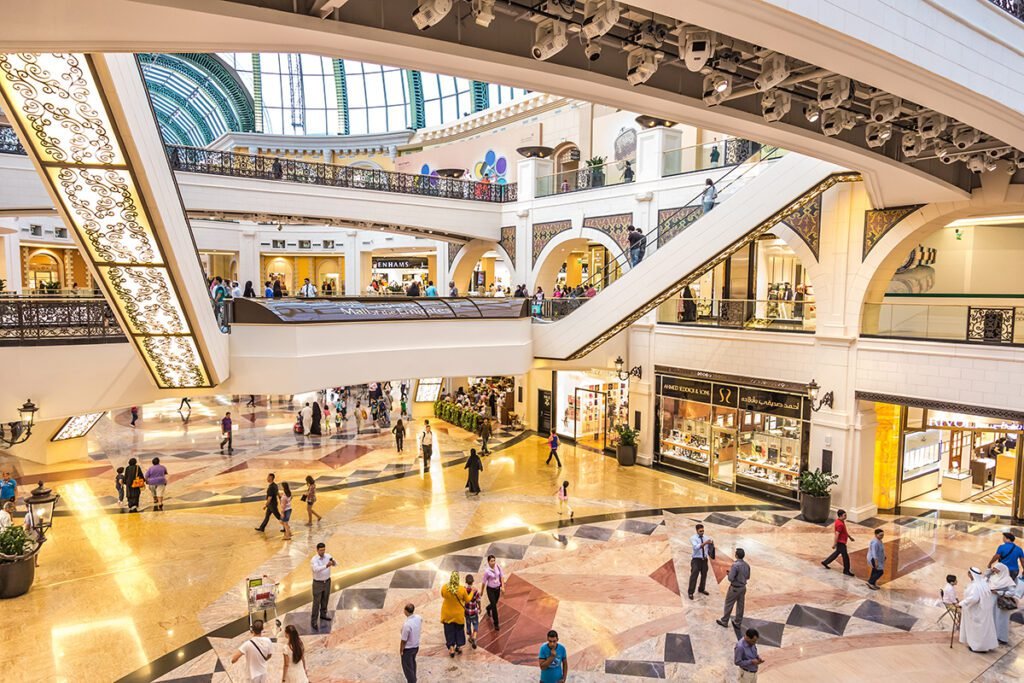
Here are the main challenges these malls could face due to Chinese goods diversion:
1. Fierce Price Competition
As more affordable Chinese products enter the market, shops inside non-prime malls may need to lower their prices to stay competitive. This could hurt profit margins, especially for smaller or independent retailers.
2. Product Oversupply
Too many goods can become a problem. Malls may see a surge in low-cost, similar products, leading to overcrowded shelves and difficulty selling items. Customers might also struggle to find variety among the products offered.
3. Changing Brand Image
With more discount or lower-end goods, some malls could lose their appeal to certain shoppers. If a mall becomes known for selling only cheap items, it may no longer attract middle or upper-income consumers.
4. Pressure on Local Retailers
Local or regional businesses may find it difficult to compete with bulk Chinese imports. These smaller stores often can’t match the low prices offered by imported goods, leading to reduced sales or even closures.
Possible Opportunities for Growth
While there are challenges, Chinese goods diversion could also offer some benefits for non-prime malls if used wisely:
1. More Product Variety
New imports mean more options for customers. Retailers can offer different styles, designs, or categories of goods that weren’t available before.
2. Budget Shopping Appeal
Some shoppers are always looking for great deals. If malls can promote themselves as affordable and diverse shopping spots, they may attract more footfall.
3. New Business Partnerships
Retailers could form new partnerships with Chinese suppliers. This might help create better supply chains, lower costs, or even exclusive product lines.
How Can Retailers Adapt to Chinese Goods Diversion?
To handle the impact of diverted Chinese goods, UAE mall retailers can take proactive steps:
- Track market trends: Monitor which items are popular and keep stock updated accordingly.
- Build supplier relationships: Direct ties with Chinese producers could secure better prices and faster shipping.
- Use smart marketing: Promote deals, new arrivals, or exclusive collections to stay visible to customers.
- Diversify offerings: Avoid overstocking a single type of product. Balance between new imports and existing stock.
How Developers Can Help Non-Prime Malls Survive
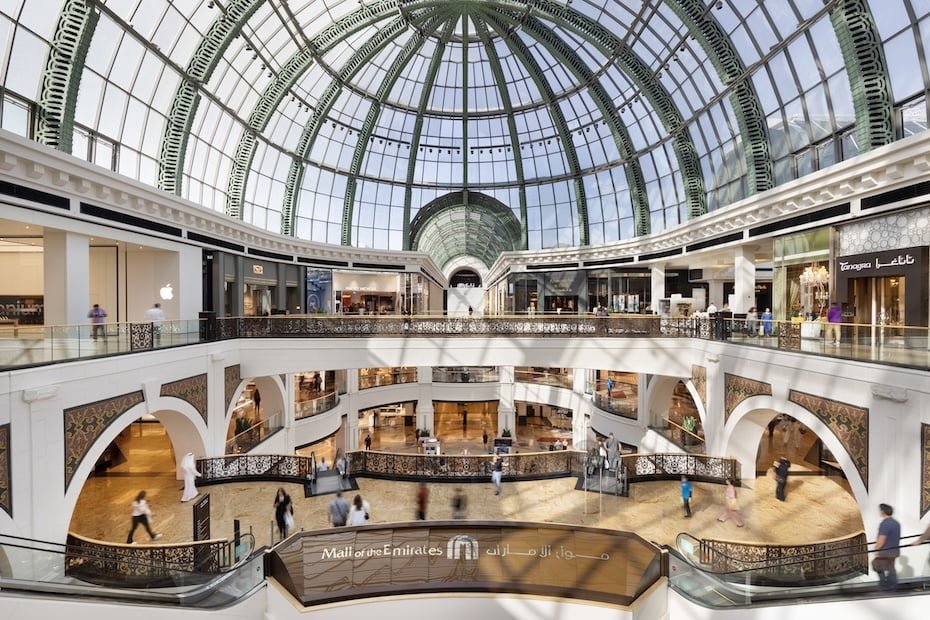
Real estate developers and mall management teams also have a big role to play. They can:
- Support local retailers with flexible leasing or rent deals.
- Organize pop-up markets or seasonal fairs to attract crowds.
- Promote malls through online campaigns or influencer collaborations.
- Improve mall infrastructure, making the space more modern and appealing.
The Bigger Picture for UAE Retail
Chinese goods diversion is not just about supply. It’s also about long-term changes in global trade patterns. The UAE’s central location makes it a natural trade hub. While this means opportunities for growth, it also brings challenges — especially to less competitive malls.
The country’s retail scene must adapt quickly. Malls that are slow to change may see a drop in customers. Those that act fast could turn this situation into a new phase of growth.
Final Thoughts
The impact of Chinese goods diversion is becoming clear in the UAE. Non-prime malls — already facing competition from online shopping and larger retail destinations — must now deal with another wave of change.
However, this does not mean all is lost. With the right strategy, understanding of market trends, and a focus on value-driven shopping, even smaller malls can survive and thrive in this new retail environment.
UAE retailers and developers must work together to transform this challenge into an opportunity. After all, in today’s fast-changing world, adaptability is the key to staying ahead.
Read More: Dubai Real Estate Market Booms With New Bonds Avenue Launch