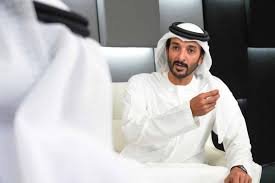
The United Arab Emirates (UAE) has long been a beacon of economic growth, innovation, and real estate development in the Middle East. As global markets evolve, the country continues to solidify its position as a business-friendly destination with a dynamic economy and a thriving real estate sector. In a recent address, the UAE’s Economic Minister shared insights on the nation’s economic trajectory, emphasizing strategic growth initiatives and sustainable real estate investments.
UAE’s Economic Growth: A Model for Success
The UAE has transformed itself into a global financial powerhouse, with a diversified economy that extends far beyond oil. Over the past two decades, the country has successfully expanded into various sectors, including technology, tourism, logistics, renewable energy, and financial services. The minister highlighted several key factors fueling this impressive growth:
1. Economic Diversification Beyond Oil
Historically reliant on oil exports, the UAE has strategically reduced its dependence on hydrocarbons, with the non-oil sector now contributing over 70% of the national GDP. Initiatives such as Dubai’s Vision 2030 and Abu Dhabi’s Economic Vision 2030 focus on bolstering innovation, artificial intelligence, and sustainability. By fostering new industries and welcoming foreign investors, the UAE has created a more resilient economic framework.

2. Foreign Direct Investment (FDI) and Business-Friendly Policies
The UAE has positioned itself as a magnet for foreign investors through various policy reforms. The introduction of 100% foreign ownership laws in select sectors and the expansion of Golden Visas for investors, entrepreneurs, and skilled professionals have significantly boosted FDI inflows. The country’s zero-income tax policy for individuals and competitive corporate tax structures continue to attract businesses worldwide.
Additionally, the UAE has signed multiple Comprehensive Economic Partnership Agreements (CEPA) with key global markets, ensuring smooth trade relations and strengthening its export potential. These agreements have facilitated higher capital inflows and increased market access for UAE-based enterprises.

3. Technology and Innovation as Economic Drivers
The UAE has established itself as a leader in technological advancements, with investments in artificial intelligence (AI), blockchain, smart cities, and digital economies. The government’s UAE Centennial 2071 plan aims to make the country a top global hub for future technologies. From autonomous transport to digital banking, innovation remains at the core of the UAE’s economic vision.
4. Sustainability and Green Economy Initiatives
With climate change being a critical global issue, the UAE has taken proactive steps to lead the region’s sustainability efforts. The government has committed to achieving net-zero carbon emissions by 2050, launching massive investments in solar energy, green hydrogen, and sustainable real estate. The hosting of COP28 in Dubai further highlighted the country’s commitment to green solutions and climate resilience.
The Real Estate Market: Resilience and Expansion
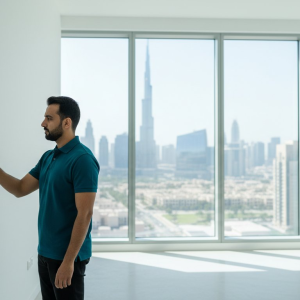
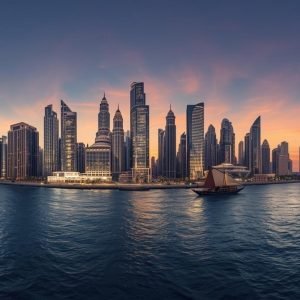
The UAE’s real estate market has witnessed a record-breaking surge in the past few years, becoming one of the most lucrative sectors for both local and international investors. From luxury properties in Dubai and Abu Dhabi to smart urban developments, real estate remains a fundamental pillar of economic growth.
1. Record-Breaking Sales and Investor Confidence
According to recent statistics, Dubai’s real estate market achieved over AED 300 billion ($82 billion) in transactions in 2023, marking a historic milestone. Key drivers of this surge include:
- The Golden Visa Program: This initiative has encouraged long-term property investments by offering residency benefits.
- High Rental Yields: With growing tourism and expatriate demand, rental income in Dubai and Abu Dhabi remains highly competitive compared to other global markets.
- Luxury and Branded Residences: Global developers and hotel brands continue to expand their footprint in Dubai’s property market, attracting elite investors and celebrities.
2. Sustainable and Smart Real Estate Developments
As part of the UAE’s sustainability commitment, the real estate sector is focusing on eco-friendly and smart infrastructure projects. Key trends shaping the future of UAE real estate include:
- Net-zero energy buildings powered by renewable sources.
- AI-driven smart homes with advanced security and automation features.
- Floating and offshore developments, such as Dubai’s planned Floating Ring City.
- Expansion of green communities, such as Masdar City in Abu Dhabi and Sustainable City in Dubai.
3. The Role of Tourism and Hospitality in Real Estate Growth
With the UAE being home to world-class tourism attractions, real estate and hospitality sectors are closely interconnected. The hospitality-driven real estate model continues to thrive, with developers focusing on mixed-use properties, branded residences, and luxury holiday rentals.
Projects such as The World Islands, Expo City Dubai, and Abu Dhabi’s cultural district are attracting global attention, reinforcing the UAE’s position as a premier destination for tourists and investors alike.
Government Policies Supporting Real Estate Expansion
The Economic Minister highlighted several government-led policies ensuring long-term stability and transparency in the property market:
- Regulated off-plan property sales to prevent speculative market fluctuations.
- Flexible mortgage and financing schemes to facilitate homeownership for expatriates and locals.
- Digital transformation in property transactions, making real estate purchases faster and more secure.
- Investor-friendly taxation policies, keeping property acquisition costs low compared to other global hubs.
These initiatives not only enhance investor confidence but also contribute to sustained real estate market growth.
Challenges and Opportunities Ahead
Despite the UAE’s impressive growth trajectory, challenges such as global economic uncertainty, fluctuating oil prices, and inflationary pressures require proactive economic management. However, with its forward-thinking leadership and resilient economic policies, the UAE is well-prepared to navigate these challenges.
Opportunities for Investors and Businesses
The minister emphasized key opportunities that foreign investors, entrepreneurs, and real estate developers can capitalize on:
- Tech and AI-driven startups: The UAE is becoming a hub for AI, fintech, and blockchain companies.
- Green economy investments: With a strong focus on sustainability, renewable energy and eco-friendly infrastructure projects are booming.
- Luxury and branded real estate: Demand for high-end properties continues to rise.
- Healthcare and wellness industries: Expanding medical tourism and wellness-focused communities present significant investment prospects.
Conclusion: The Future of UAE’s Economy and Real Estate
The UAE’s Economic Minister’s insights reaffirm the country’s commitment to long-term economic growth and sustainable real estate expansion. Through strategic investments, business-friendly policies, and technological innovation, the UAE continues to attract global attention as a prime destination for investors, businesses, and residents.
With a strong economic foundation, government-backed initiatives, and a visionary approach to real estate, the UAE is poised to remain at the forefront of global development for years to come.
Do follow Uae stories for more Updates
Eni Expands UAE Collaboration in Data Centres & Critical Minerals