Winter has firmly settled across the United Arab Emirates, and the change is no longer subtle. As January progresses, residents are experiencing some of the coldest conditions of the year, with early mornings and late evenings bringing a noticeable chill. In several parts of the country, temperatures have dropped below 10°C, marking the peak of the UAE’s winter season.
This cooler spell is not unusual for this time of year, but it often catches people by surprise after months of warm and humid conditions. The shift is most evident before sunrise and after sunset, when the air feels crisp and the need for extra layers becomes unavoidable.
Peak Winter Season Has Officially Arrived
The coldest stretch of winter in the UAE traditionally falls between January 10 and January 22. During this period, weather patterns stabilise in a way that allows cooler air to dominate, especially overnight. In cities like Dubai, daytime temperatures remain comfortable, but the contrast between day and night is sharp.

Afternoons still hover in the pleasant low to mid-20s, making outdoor activities enjoyable while the sun is up. However, once daylight fades, temperatures drop quickly, creating a distinctly wintery feel that is unique to this short seasonal window.
Understanding Dur Al Sittin
This time of year is locally known as Dur Al Sittin, a winter phase deeply rooted in regional weather knowledge. The term refers to a roughly 60-day period associated with the coldest days and nights of the year. For generations, residents have recognised Dur Al Sittin as the moment when winter reaches its peak intensity.

While winters in the UAE are generally mild compared to many other countries, Dur Al Sittin stands out for its colder mornings, stronger nighttime winds, and a noticeable dip in temperatures across inland and desert regions. It is during this phase that the country experiences its lowest seasonal readings.
Temperatures Already Making an Impact
The current conditions did not arrive without warning. Earlier this winter, rainfall across several emirates brought temporary drops in temperature, with some areas of Dubai recording lows around 13°C. That brief cold snap offered a preview of what was to come.
This week, however, the chill has deepened. According to the National Centre of Meteorology, mountain and inland areas have recorded temperatures falling below 10°C, with some desert locations dipping even further during the early hours of the morning.
How Cold Will It Get Across the UAE?
During this peak winter period, the contrast between regions becomes more pronounced. Coastal cities experience cool but manageable conditions, while inland and elevated areas feel significantly colder.
Weather expectations for this phase include early-morning temperatures in desert and inland areas dropping to around 5°C or even lower on the coldest days. Overnight and pre-dawn hours are often accompanied by cold winds, adding to the chill factor and making temperatures feel even lower than the readings suggest.
In some inland regions, there is also a chance of frost forming before sunrise, particularly on calm, clear nights. Afternoons remain mild and pleasant, but they are followed by rapidly cooling evenings that encourage people to head indoors earlier than usual.
Why Nights Feel Colder Than Expected
One of the defining features of winter in the UAE is how quickly temperatures fall after sunset. Clear skies allow heat to escape rapidly, leading to sharp drops overnight. Desert landscapes, in particular, lose warmth faster than urban areas, which is why inland regions often record the lowest temperatures.
Light to moderate winds during the night can further enhance the feeling of cold, especially for those outdoors. This combination of factors explains why even residents accustomed to mild winters find themselves reaching for jackets and jumpers during this time.
A Different Side of UAE Winter
Despite the chill, winter is widely considered the most enjoyable season in the UAE. The cooler weather transforms daily routines and opens up opportunities that are less comfortable during hotter months. Cafés become cosier, outdoor seating fills up during daylight hours, and long walks are suddenly appealing again.
Daytime is ideal for beach strolls, desert drives, and outdoor dining, while evenings are better suited for indoor gatherings or well-planned outings with warm layers. The key is timing activities around the sun, making the most of the warmth it provides.

Practical Tips for the Cold Spell
Adapting to winter in the UAE does not require heavy coats, but preparation makes a difference. Lightweight jackets, jumpers, and scarves are especially useful during early mornings and after dark. Those living in villas or desert-adjacent areas may notice colder indoor temperatures at night, making extra bedding a welcome addition.
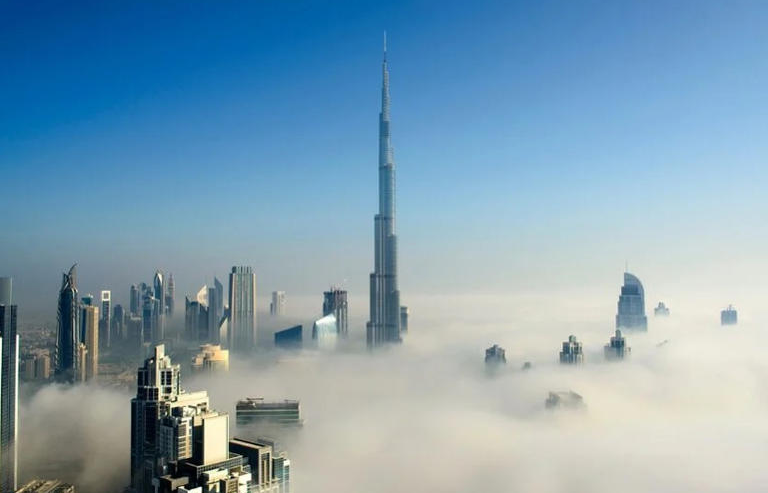
Motorists should also be mindful of reduced visibility in some inland areas during the early hours, particularly where mist or fog forms alongside the colder air. Planning commutes with a little extra time can help avoid unnecessary stress.
When Will Temperatures Start Rising Again?
The coldest conditions are expected to persist through the core of the January 10 to January 22 window. After this period, temperatures usually begin a gradual upward trend, with nights becoming less cold and mornings more comfortable. While winter will continue through February, the sharp chill associated with Dur Al Sittin slowly eases.
For now, residents are encouraged to enjoy this brief but refreshing season. The cooler air offers a welcome change and serves as a reminder that winter, though short, has a distinct character in the United Arab Emirates.
Do follow UAE Stories on Instagram
Read Next – Ramadan 2026 in the UAE: Customs, Culture, and Daily Life