
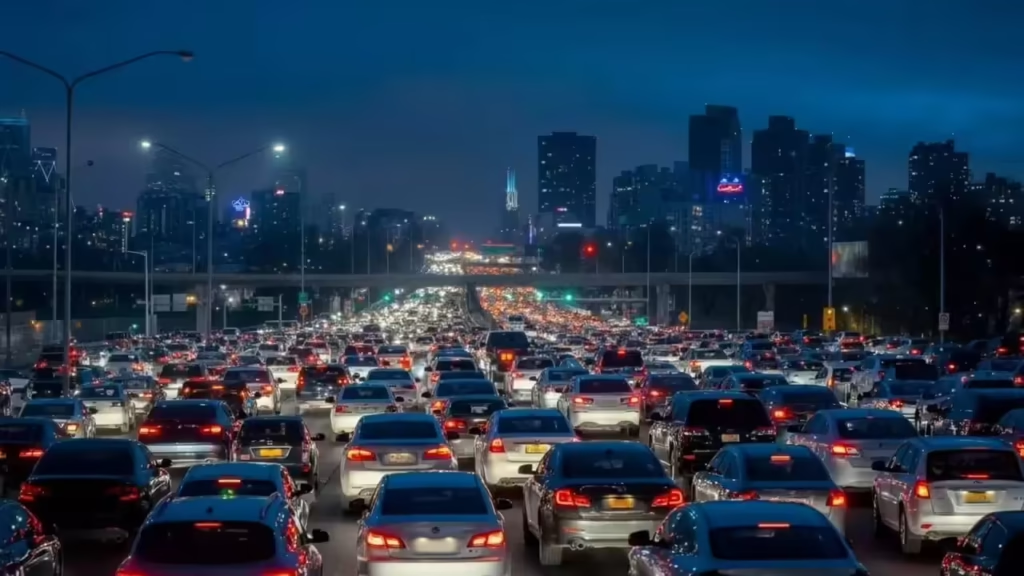
Traffic—it’s a word that unites all of us in collective frustration. But in the UAE, this everyday concern has taken on new weight after the release of the 2024 national traffic report. While Abu Dhabi has managed to show remarkable progress in easing congestion, Dubai, on the other hand, is facing a growing traffic nightmare.
So what’s really going on? And more importantly, can 2025 offer any real relief for UAE commuters who are tired of sitting in traffic instead of spending time with their families or chasing their goals?
Let’s take a human look at what’s behind the numbers, what’s changing on the roads, and whether there’s any hope ahead.

Abu Dhabi’s Traffic Turnaround: How the Capital Found a Better Flow
Abu Dhabi has emerged as a winner in this year’s traffic report, and this wasn’t by accident. A mix of smart infrastructure planning, improved public transport options, and strict enforcement of road rules has made commuting in the capital significantly more manageable.

The residents are noticing it. Daily drivers report smoother flow during peak hours, while those relying on public transport have seen improved punctuality and coverage. It’s a change that’s having a real impact on everyday life—from parents being able to pick up kids on time to professionals arriving at work less stressed.
The city’s focus on long-term urban mobility plans and strategic expansion of roads in key areas is clearly paying off. With the addition of new express lanes, more efficient traffic light systems, and targeted awareness campaigns, Abu Dhabi is starting to become a model of what effective traffic control can look like in a modern, growing city.
Dubai’s Rising Congestion: A City on the Edge of a Traffic Crisis
While Abu Dhabi’s roads are becoming more breathable, Dubai is heading in the opposite direction. The 2024 report paints a worrying picture: increased congestion, longer commute times, and rising frustration among drivers.
Dubai’s incredible growth is both its strength and its struggle. With rapid urban development, expanding communities, and a booming population, the city’s road network is under immense pressure. Add to that the increasing number of vehicles and unpredictable roadwork detours, and you’ve got a recipe for bumper-to-bumper chaos.
Many residents feel that traffic in Dubai is not just a minor inconvenience—it’s starting to affect their mental wellbeing and productivity. Time that could be spent with loved ones or dedicated to personal goals is being lost in endless waits behind the wheel.
And for professionals who work across different areas of the city, each journey now requires strategic planning. Whether it’s avoiding peak-time gridlocks on Sheikh Zayed Road or figuring out the fastest way to Business Bay, driving in Dubai is starting to feel more like a battle than a commute.
What’s Fueling the Difference Between Abu Dhabi and Dubai?
One major difference lies in the nature of expansion. Abu Dhabi has grown more horizontally, allowing for road systems and traffic flows to evolve alongside new developments. Dubai, however, has grown vertically and fast, making it harder to expand roads or change existing infrastructure without major disruptions.
Public transport also plays a role. While Dubai has a strong metro and bus network, many people still rely on private cars due to gaps in coverage and convenience. In contrast, Abu Dhabi’s investment in both bus systems and carpooling solutions is beginning to show results.
Then there’s the issue of policy and planning. Experts believe that proactive urban planning in Abu Dhabi, which focuses heavily on reducing vehicle dependency, is giving it a head start compared to Dubai’s reactive traffic management.
How Are People Coping With the Traffic Burden in Dubai?
For many Dubai residents, coping with traffic has become a part of everyday strategy. From waking up earlier to leaving work late, people are adjusting their routines to dodge peak hours. Some are even choosing jobs or homes based on commute time alone, prioritizing mental peace over pay packages.
Others are turning to remote work, where possible, just to avoid spending hours on the road. Food delivery services, ride-sharing apps, and even micro-mobility options like e-scooters are growing in popularity, not just for convenience but as a means of escape from the suffocating grind of daily traffic.
Yet, despite all efforts, many still feel stuck—literally and figuratively.
Is Relief Coming in 2025? Signs of Hope on the Horizon
There is a glimmer of hope for 2025. Authorities in both emirates are aware of the issues and have announced several projects and plans aimed at reducing congestion.
In Dubai, new road expansions, more metro lines, and improved traffic signal synchronization are set to roll out. The city is also experimenting with smart traffic management technologies that use AI and real-time data to ease traffic flow in busy intersections.
Abu Dhabi isn’t slowing down either. Its continued focus on sustainable urban transport includes plans to increase electric bus routes, build more pedestrian-friendly zones, and encourage the use of cycling as a daily transport option.
Both cities are also working on better intercity connectivity, which will allow people to commute between them more easily without relying on cars.
The Bigger Picture: What This Means for the Future of Urban Living
The UAE’s traffic situation is more than just a transportation issue—it’s a reflection of how cities grow, adapt, and prioritise the needs of their people.
Abu Dhabi’s improvements show that with the right strategy, progress is possible. Meanwhile, Dubai’s challenges highlight the importance of planning infrastructure with future demands in mind, not just present needs.
If 2025 is to bring real relief, the focus must be on sustainable growth, smarter urban planning, and above all, listening to the voices of the people who live the traffic reality every single day.
Because at the end of the day, traffic is not just about roads. It’s about people—their time, their peace of mind, and their right to live a balanced, fulfilling life.
Final Thoughts: Where Do We Go From Here?
As we move into 2025, the question is not just whether traffic will get better, but whether life will. Will people finally be able to reclaim the hours lost in gridlock? Will cities become more human-centered, where commuting doesn’t cost us our calm?
Abu Dhabi is showing what’s possible. Dubai is showing what needs urgent attention. And across the UAE, there’s a growing desire not just for better roads, but for better living.
Here’s hoping the year ahead brings not just movement—but meaningful change.
Do follow UAE Stories on Instagram
Amazon Prime Day UAE Unveils Exciting Summer Dates and Deals