
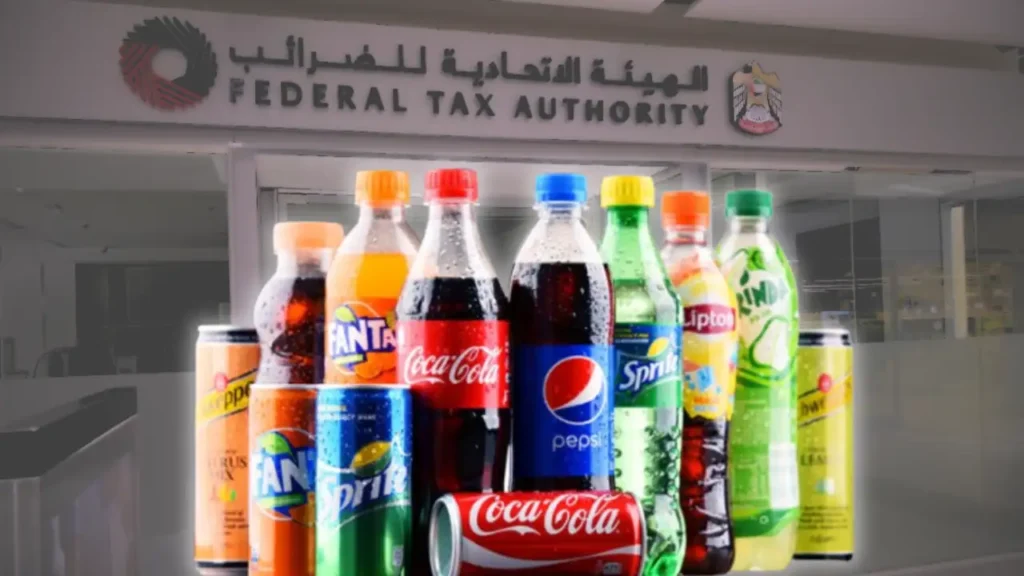
In a significant move toward public health and wellness, the United Arab Emirates (UAE) has announced that it will introduce a sugar tax on beverages starting in 2026. This step is part of a broader national effort to reduce the country’s growing consumption of sugar and its negative health effects.
Let’s explore what this sugar tax means for consumers, businesses, and the overall economy — and why this change matters now more than ever.
Why Is the UAE Introducing a Sugar Tax on Beverages?
The primary reason for introducing the UAE sugar tax on beverages is to tackle public health issues caused by high sugar consumption, such as obesity, diabetes, and heart disease. According to health data, lifestyle-related diseases have become increasingly common in the region.

The government aims to:
- Discourage the consumption of sugary drinks
- Encourage healthier food and drink choices
- Reduce healthcare costs related to preventable diseases
- Promote awareness about nutrition and sugar content in beverages
This isn’t the UAE’s first step in that direction. In fact, the country has previously implemented taxes on tobacco products and energy drinks. The upcoming UAE sugar tax on beverages is an extension of this wellness strategy.

What Will Be Taxed Under the New Policy?
The sugar tax will target a wide range of beverages containing added sugar or sweeteners. Here’s a breakdown of what to expect:
Beverages Likely to Be Taxed:
- Soft drinks (cola, lemon-lime soda, etc.)
- Fruit juices with added sugar
- Flavored waters with sweeteners
- Iced teas and coffees with sugar
- Ready-to-drink energy and sports drinks
- Milk-based beverages with added sweeteners
Exemptions (likely but not confirmed yet):
- Plain bottled water
- 100% natural fruit juices with no added sugar
- Unsweetened dairy products
- Medical and nutritional beverages prescribed by doctors
The final list is still under development, and more specific guidelines will be released closer to the implementation date in 2026.
How High Will the Sugar Tax Be?
Although the UAE government has yet to confirm the exact percentage, it is expected to be similar to existing excise tax rates. Currently:
- A 50% excise tax is applied on soft drinks
- A 100% tax is applied to energy drinks and tobacco products
Experts predict that sugary beverages could face an additional 50% tax, making these drinks significantly more expensive at the retail level.
Goals Behind the UAE Sugar Tax on Beverages
The UAE sugar tax on beverages is not just about increasing prices — it’s a carefully planned policy to bring about real change. Here are the key goals behind this strategy:
1. Improve Public Health
The UAE has one of the highest rates of diabetes and obesity in the world. According to the International Diabetes Federation, around 17% of UAE adults have diabetes. Reducing sugar intake through taxation can help lower these numbers over time.
2. Encourage Product Reformulation
When sugary drinks become more expensive, manufacturers are often prompted to reformulate their products. In countries like the UK, many brands have already reduced sugar content to avoid taxes. UAE could see a similar trend.
3. Raise Government Revenue
Like any excise tax, this policy is also expected to boost government income, which can then be redirected toward healthcare services, awareness campaigns, and nutritional education.
Global Precedent: What Other Countries Have Done
The UAE joins a growing list of countries that have implemented a sugar tax to improve public health.
- Mexico introduced a sugar tax in 2014, leading to a 7.6% drop in sugary drink sales in the first year.
- The UK’s Soft Drinks Industry Levy (2018) pushed many beverage companies to cut sugar levels to avoid higher taxes.
- Saudi Arabia introduced similar taxes in 2017 and saw a notable shift in consumer buying behavior.
These success stories suggest that the UAE sugar tax on beverages could also produce positive long-term health and economic outcomes.
Impact on Businesses and Manufacturers
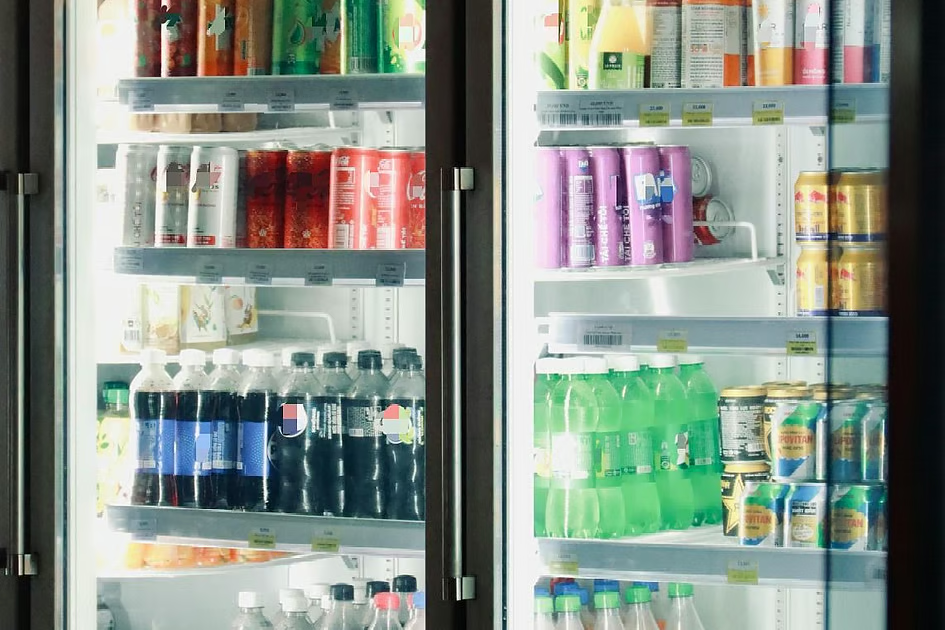
The upcoming sugar tax presents both challenges and opportunities for beverage companies operating in the UAE.
Challenges:
- Increased prices may lower demand for sugary beverages
- Small and medium enterprises (SMEs) may struggle with the added compliance and cost burden
- Reformulating products to meet lower sugar levels could require new R&D investments
Opportunities:
- Brands that offer healthier, low-sugar alternatives can capitalize on shifting consumer preferences
- New product lines such as sugar-free drinks, herbal infusions, and flavored water may see growth
- Importers and distributors will have an incentive to source or develop tax-compliant beverages
Businesses have until 2026 to adjust their strategies, and many are expected to begin reformulation and rebranding processes well before the tax takes effect.
How Will Consumers Be Affected?
The most immediate effect will be price increases. A soft drink that currently costs AED 5 might go up to AED 7.50 if a 50% tax is applied.
This could change consumer behavior in several ways:
- Shoppers may reduce consumption of sugary drinks
- Some might switch to healthier alternatives like flavored water, natural juices, or unsweetened beverages
- Others could start reading nutritional labels more carefully, leading to a more health-conscious population over time
According to a 2023 consumer health report, nearly 60% of UAE residents say they want to cut sugar from their diets. The sugar tax may give that effort a much-needed boost.
Economic Implications
While there may be short-term impacts on beverage sales, the long-term economic benefits could outweigh the losses. Here’s how:
Positive Outcomes:
- Reduced public spending on sugar-related diseases
- New opportunities in the health food and beverage sector
- Boost in local manufacturing of healthy drinks
Possible Risks:
- Short-term drop in sales and consumer satisfaction
- Higher prices may affect low-income families more than others
To offset potential inequalities, the government may introduce support programs or subsidize healthier drink options.
Public Awareness and Education Campaigns
An effective sugar tax requires public education. The UAE government is expected to launch:
- Awareness campaigns about the harmful effects of sugar
- Clear labeling systems on beverages
- School and workplace initiatives to encourage water and healthy drink consumption
Public buy-in is crucial for the sugar tax to succeed. If people understand the “why” behind the tax, compliance and support are likely to be stronger.
Final Thoughts
The UAE sugar tax on beverages is a bold step aimed at improving public health and reducing the burden of lifestyle diseases. While there will be challenges for both businesses and consumers, the long-term benefits — including better health, lower healthcare costs, and a shift toward healthier living — are well worth the effort.
As the policy rolls out, awareness, education, and cooperation will be the keys to making this health initiative a lasting success.
Do follow UAE Stories on Instagram
Read More: Dubai Chocolate Bar Recall: Why the FSA Issued an Urgent Warning in the UK