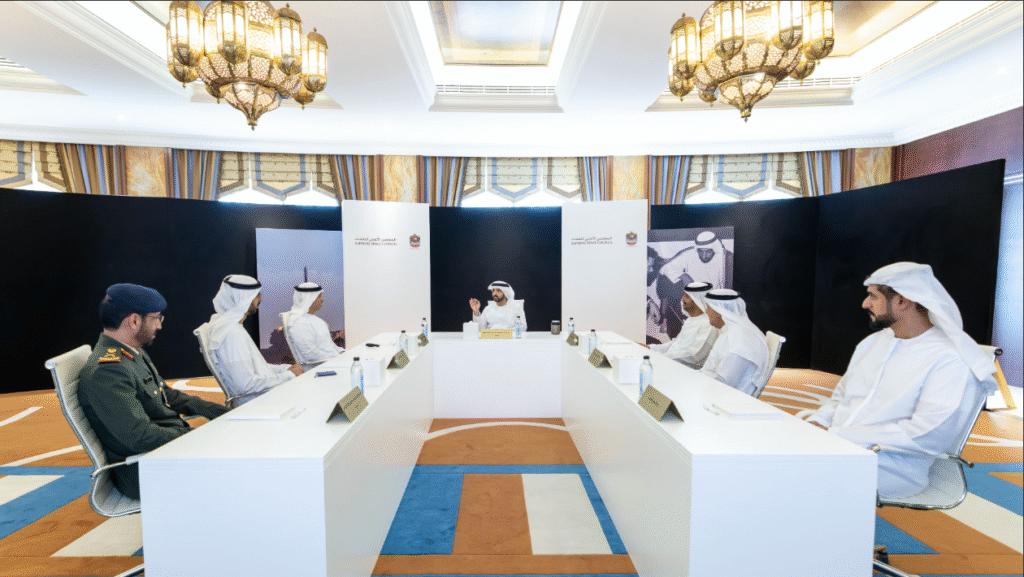
His Highness Sheikh Hamdan bin Mohammed bin Rashid Al Maktoum, Crown Prince of Dubai and Chairman of the Supreme Space Council, recently led the review of the UAE Space Strategic Roadmap, marking a major milestone in the country’s space ambitions. This roadmap sets out a new vision for the United Arab Emirates space sector, focused on positioning the nation as a leading global player by 2031.
A New Vision for the UAE Space Sector
Sheikh Hamdan highlighted the vital role the space sector plays in the United Arab Emirates’ future, describing it as a key pillar for building a knowledge based economy and driving technological innovation. The space industry is not only a source of scientific advancement but also an engine for economic growth and national development.
The new strategic roadmap revolves around three main objectives:

- Making the United Arab Emirates the world’s most agile and investment friendly space ecosystem.
- Establishing the United Arab Emirates as a global leader in space partnerships and market access.
- Building world class space infrastructure that meets the highest international standards.
These goals are designed to create a strong foundation for the United Arab Emirates space ambitions, attracting investments, fostering innovation, and encouraging collaboration across public and private sectors.
Key Goals and Ambitions
Building a Hub for Investment and Innovation
Sheikh Hamdan emphasized that attracting local and international investments is critical to the roadmap’s success. The United Arab Emirates aims to create an environment where space companies can thrive, innovate, and grow. The country’s modern regulatory framework, advanced infrastructure, and stable economic environment are key factors that inspire confidence among global space companies.

The eagerness of leading international companies to partner with the United Arab Emirates reflects the strong trust they have in the country’s space ecosystem, Sheikh Hamdan stated.
Expanding Space Infrastructure and Capabilities
The strategic plan calls for doubling investments in space infrastructure and facilities across the United Arab Emirates. This means building more advanced research centers, manufacturing hubs, and testing facilities that meet global standards.
Moreover, the roadmap targets doubling the number of Emirati companies working in the space sector. This focus on nurturing local talent and businesses will enhance knowledge transfer and innovation, helping the United Arab Emirates develop a competitive edge in space technologies.
Driving Economic Growth Through Space
The United Arab Emirates plans to increase the value added by its space economy by 60 percent and double overall returns by 2031. This ambition will not only create jobs but also diversify the economy beyond oil and gas by investing in high tech industries.
Progress So Far: Encouraging Trends
Over the past five years, the United Arab Emirates space sector has seen remarkable growth.
Public and private sector spending on space has increased significantly, demonstrating strong commitment.
Research and development investments in space technology have grown multiple times, showing a focus on scientific leadership.
There has been a notable rise in the participation of Emirati women in the space sector, reflecting the country’s efforts to empower all citizens and promote inclusivity.
These trends signal that the United Arab Emirates is steadily building a robust, knowledge driven space economy capable of sustaining long term growth.
Launch of the National Space Industries Program
A major highlight of the roadmap review was the launch of the National Space Industries Program, a set of initiatives aimed at supporting and expanding the United Arab Emirates space sector.
Program Objectives
- Incentivize space companies by offering economic and investment incentives to attract both startups and established space firms.
- Support growth and sustainability with financial and operational support mechanisms to help companies scale their operations efficiently.
- Expand market access by facilitating access to local and international markets to open up new opportunities for companies based in the United Arab Emirates.
- Promote knowledge and technology transfer by encouraging collaboration between public and private institutions to share expertise and innovate.
- Increase space industry presence with the goal to double the number of space companies and exports from the United Arab Emirates within five years.
This program reflects a comprehensive approach to building a sustainable space industry that supports the United Arab Emirates economic diversification goals.
Collaborative Leadership and National Commitment
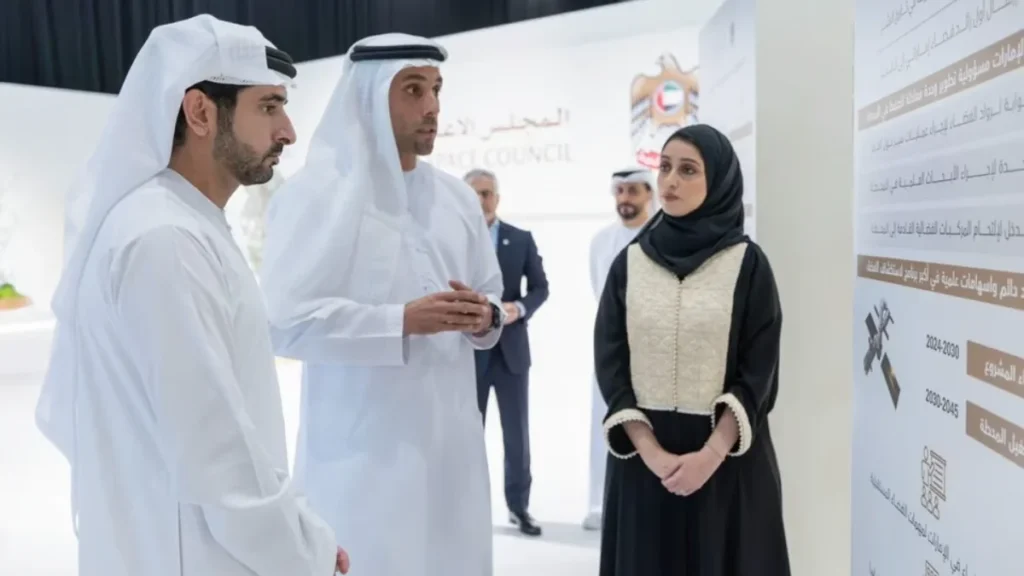
The strategic roadmap review was a collaborative effort, involving government leaders and industry experts across sectors such as economy, artificial intelligence, defense, and sports. This multi sector engagement shows the United Arab Emirates unified commitment to space as a national priority.
Sheikh Hamdan’s leadership reflects a clear message: space is a strategic sector that requires strong coordination between government, private sector, and international partners.
Why the UAE Space Strategy Matters
Space technology is critical for the future as it affects everything from communications and environmental monitoring to defense and scientific research. By advancing its space sector, the United Arab Emirates is positioning itself to benefit from these emerging technologies and industries.
The roadmap is more than just a plan for space exploration; it is a roadmap for national growth, innovation, and sustainability. The space economy will create high value jobs, encourage scientific discovery, and support the country’s ambition to become a knowledge economy.
Focus on Emirati Talent and Inclusion
The United Arab Emirates is also committed to empowering its citizens, especially women, to participate actively in this high tech sector. The increase in female participation in space jobs is a testament to the nation’s focus on inclusion and creating equal opportunities for all.
By building local expertise and encouraging young Emiratis to pursue careers in space science and technology, the country ensures a strong talent pipeline for the future.
Looking Ahead: Ambitious Goals for 2031
Driven by Sheikh Hamdan’s vision, the United Arab Emirates aims to:
- Become one of the world’s top ten space economies.
- Double its investment in space infrastructure.
- Double the number of national space companies.
- Expand space exports to global markets.
- Foster innovation through partnerships with the private sector and international collaborators.
These goals reflect the United Arab Emirates determination to transform its space sector into a cornerstone of the national economy and a key player in the global space industry.
Conclusion
The review of the UAE Space Strategic Roadmap marks a bold step forward for the country’s space ambitions. Under the leadership of His Highness Sheikh Hamdan bin Mohammed bin Rashid Al Maktoum, the United Arab Emirates is setting a course to become a global hub for space innovation, investment, and industry by 2031.
With strategic investments, inclusive policies, and an emphasis on partnerships and infrastructure, the United Arab Emirates is building a space sector that will drive economic diversification, foster scientific discovery, and empower future generations.
The United Arab Emirates commitment to space is clear: it is a sector of strategic importance that will shape the nation’s future and contribute to its position as a leader in the global knowledge economy.
Do follow UAE Stories on Instagram
Read Next – Dubai Government Budget 2026-2028 Approved with AED 302.7B Plan