
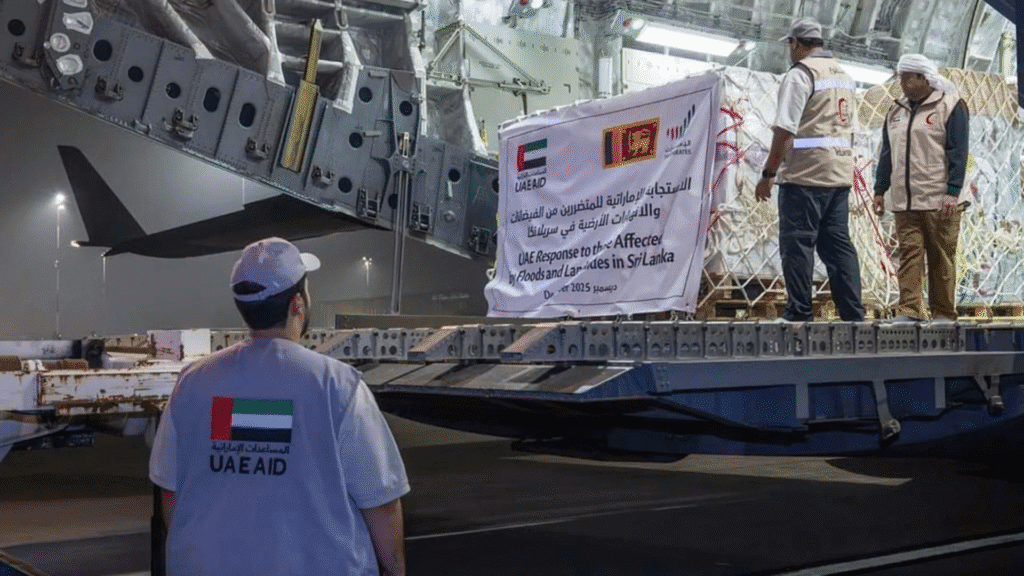
The United Arab Emirates has launched a large-scale humanitarian operation to support Sri Lanka after severe flooding and landslides caused widespread destruction across the country. The disaster displaced thousands of families, disrupted essential services, and created urgent needs for food, shelter, medical care, and emergency assistance. In response, the UAE deployed more than 20 tons of life-saving relief supplies and sent specialized teams to assist local authorities in rescue and recovery efforts. This mission highlights the UAE’s continued commitment to global humanitarian work and its dedication to supporting communities facing difficult challenges.
The Scale of the Crisis in Sri Lanka
Sri Lanka has experienced one of its worst flooding events in recent years. Heavy monsoon rains triggered swollen rivers, overflowing reservoirs, and devastating landslides across several districts. Many communities were cut off from transportation routes as roads collapsed or became submerged under water. Families were forced to leave their homes with little warning, leaving behind their belongings and seeking safety in temporary shelters and relief camps.
The flooding has affected more than one million people. Hundreds of homes were damaged or completely destroyed, and public services such as electricity, water supply, and healthcare faced severe disruption. The impact on livelihoods has also been immense, with agricultural land submerged, shops damaged, and small businesses left in ruins. For many families, rebuilding their lives will take months or even years.

In the midst of this crisis, the UAE stepped in with swift and organized support, demonstrating the importance of international cooperation during natural disasters.
UAE’s Emergency Response Mission
The UAE’s humanitarian mission is being led by the Joint Operations Command. This coordinated effort brings together teams from the UAE Aid Agency, the Emirates Red Crescent Authority, and Abu Dhabi Civil Defense. These organizations have combined their resources, expertise, and emergency response capabilities to ensure that aid reaches those who need it most.

One of the first steps in the operation was to deploy specialized search-and-rescue units to assist in locating trapped individuals and helping evacuate vulnerable families. These teams are equipped with advanced tools and technology designed for challenging environments, allowing them to operate in areas where access is limited or hazardous.
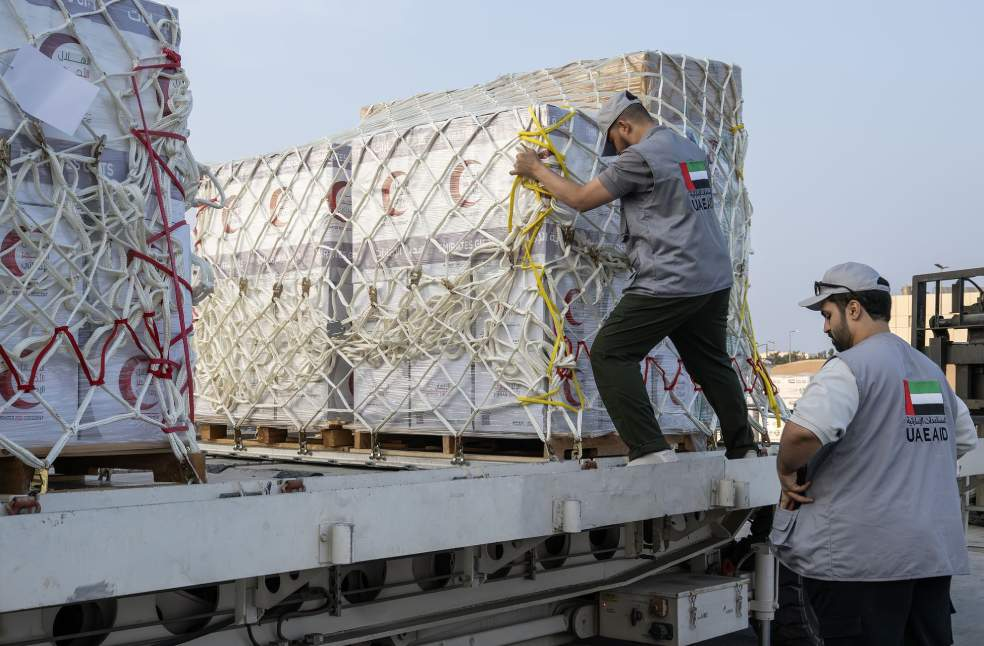
Alongside rescue operations, the UAE delivered more than 20 tons of emergency relief supplies to Sri Lanka. These supplies include essential food items, drinking water, tents, blankets, hygiene kits, and other materials needed to support families who lost their homes or belongings. The relief packages were designed to meet immediate needs and help stabilize the lives of displaced families until long-term support becomes available.
Focus on Food, Shelter, and Basic Needs
The center of the UAE’s relief initiative is the distribution of food and essential shelter materials. Many families affected by the floods lost access to clean water, cooking facilities, and safe living spaces. The UAE’s aid packages include ready-to-eat food items, rice, grains, canned goods, and protein sources to help sustain families for several days.
Shelter support is another critical area. The flooding destroyed homes across several districts, forcing families to take refuge in makeshift camps, local schools, and public buildings. To address this, the UAE provided tents, tarpaulins, and basic construction materials to help create temporary shelters. These supplies offer protection from the weather, improve safety, and provide families with some degree of privacy and comfort during a stressful time.
In addition, hygiene kits and essential household items have been distributed to reduce the risk of disease and maintain basic sanitation in crowded relief camps. These kits include soap, disinfectants, feminine hygiene items, and basic medical supplies.
Coordination With Sri Lankan Authorities
A key part of the UAE’s mission has been close coordination with the government of Sri Lanka. By working directly with local authorities, the UAE has ensured that aid is directed to high-priority regions and distributed efficiently. This collaborative approach helps avoid duplication of efforts and ensures that international support aligns with Sri Lanka’s national emergency response plans.
Joint assessments are being carried out to identify communities with the most urgent needs. This information helps humanitarian teams prioritize areas where help will have the greatest impact. Local volunteers and government officers have also assisted in reaching remote villages where access has been limited due to damage to roads and bridges.
Statements From UAE Humanitarian Leaders
Dr. Hamdan bin Musallam Al Mazrouei, Chairman of the Emirates Red Crescent Authority, emphasized that the UAE has consistently demonstrated global leadership in emergency response. He explained that the rapid deployment of rescue teams and targeted relief supplies reflects the country’s commitment to protecting vulnerable communities during natural disasters. He also noted that well-coordinated operations help reduce the severity of humanitarian crises and support long-term recovery.
Dr. Tareq Ahmed Al Ameri, Chairman of the UAE Aid Agency, highlighted that the UAE remains dedicated to its global humanitarian responsibilities. He confirmed that additional relief supplies and shelter materials will be sent to Sri Lanka as recovery needs continue to evolve. According to him, this operation is part of the UAE’s broader mission to extend support wherever it is needed, especially in situations where climate-driven disasters are becoming more frequent.
Strengthening International Humanitarian Partnerships
The UAE’s response to the Sri Lanka floods is an example of its ongoing efforts to build strong international partnerships. Humanitarian work is most effective when nations and organizations come together with shared goals. By collaborating with Sri Lankan authorities, relief agencies, and community organizations, the UAE helps ensure that aid reaches affected families in a timely and organized manner.
This disaster has also highlighted the importance of preparedness and cooperation. With climate-related events growing more severe around the world, countries must work together to improve response strategies, strengthen resilience, and support vulnerable populations before and after disasters strike.
Long-Term Impact and Recovery Support
While emergency relief is essential in the immediate aftermath of a disaster, long-term recovery is equally important. Thousands of families in Sri Lanka will face months of rebuilding, whether it involves repairing homes, restoring schools, or restarting local businesses. Many communities will also require psychological and social support to recover from the trauma of displacement and loss.
The UAE’s humanitarian agencies are planning additional shipments of supplies and further support for shelter reconstruction. These efforts will help families return to their homes safely and begin rebuilding their futures. By assisting in both emergency and recovery phases, the UAE strengthens community resilience and contributes to long-lasting stability.
A Continued Commitment to Global Aid
This mission to Sri Lanka reflects the UAE’s long-standing dedication to humanitarian values. Over the years, the UAE has supported numerous countries affected by natural disasters, conflicts, and humanitarian crises. The country’s strategy focuses on timely assistance, efficient coordination, and targeted programs that address real needs on the ground.
As global challenges grow due to climate change and environmental pressures, the UAE remains committed to being a reliable partner for nations in need. Its work in Sri Lanka stands as another example of compassion, solidarity, and international cooperation.
Conclusion
The UAE’s emergency relief operation in Sri Lanka demonstrates a strong commitment to saving lives, supporting vulnerable communities, and working with global partners to manage the impact of natural disasters. Through search-and-rescue efforts, essential relief supplies, and continuous coordination with Sri Lankan authorities, the UAE has played a vital role in helping families affected by the floods and in supporting the country’s path toward recovery.
Do follow UAE Stories on Instagram
Read Next – FDF to Support Seniors Joining Open Masters Games Abu Dhabi 2026