UAE National Identity is more than just a symbol of nationality; it is the heartbeat of a nation that blends deep traditions with a modern vision for the future. For decades, the United Arab Emirates has stood out as a country that respects its heritage while embracing global progress. To truly understand the UAE today, one must look into the history that shaped its unique national identity.
UAE National Identity and Its Historical Roots
The foundations of UAE national identity go back centuries before the official formation of the United Arab Emirates in 1971. The people of the land, known as Emiratis, built their identity through a close connection to the desert, the sea, and strong tribal values.
Bedouin traditions taught resilience and hospitality, while coastal communities developed trade skills and seafaring expertise. The pearl diving industry was a major part of life before oil, teaching patience, courage, and unity. These elements became the backbone of Emirati pride, shaping how people view themselves even today.

Unity Through the Vision of the Founding Fathers
The official beginning of the UAE’s story was December 2, 1971. On this day, six emirates came together to form one nation under the leadership of Sheikh Zayed bin Sultan Al Nahyan, the Founding Father. Later, Ras Al Khaimah joined as the seventh emirate in 1972.
This unity was not only political but cultural. It showed the world that small states could come together and create something larger than themselves. Sheikh Zayed’s vision was rooted in tolerance, cooperation, and respect for heritage—values that continue to define UAE national identity.

Symbols That Shape UAE National Identity
National identity is also expressed through powerful symbols that carry deep meaning.
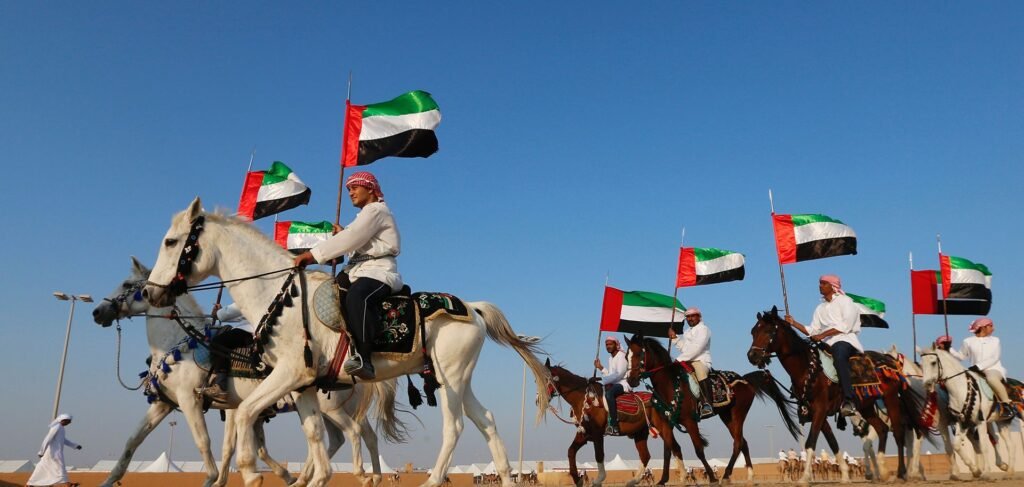
- The UAE Flag: Each color of the flag represents values like unity, peace, and strength.
- National Day: Celebrated on December 2nd, it reminds citizens and residents of the journey of unity.
- The Falcon: As the national bird, it represents courage and pride.
- Traditional Dress: The kandura for men and abaya for women symbolize culture, modesty, and identity.
These symbols connect modern life with traditions, reminding people of their roots in a rapidly changing world.
Language, Religion, and Cultural Pride
Arabic is not only a language in the UAE—it is a vessel of identity. Through poetry, storytelling, and literature, the Emirati dialect has preserved history and values.
Islam also plays a central role in UAE national identity, guiding daily life, traditions, and celebrations. Mosques across the country stand as places of worship but also as cultural and educational hubs.
At the same time, the UAE has welcomed diversity. With over 200 nationalities living in the country, Emiratis continue to preserve their identity while showing respect for other cultures.
Education and the Preservation of Identity
The UAE government places strong emphasis on teaching national identity through education. Schools and universities integrate lessons about Emirati history, values, and traditions into their programs.
From National Identity courses to cultural festivals, young Emiratis are reminded of their roots while preparing to engage in a globalized future. This balance ensures that while the country advances in technology and innovation, its people remain grounded in heritage.
Arts, Music, and Storytelling
Culture and creativity also play a vital role in keeping history alive. Traditional Emirati music, such as Al Ayala dance, is performed at celebrations and weddings, symbolizing unity and pride. Storytelling traditions—passed down from one generation to the next—preserve wisdom and heritage.
Modern Emirati artists, writers, and filmmakers also draw from these traditions, blending them with contemporary forms of expression to highlight the UAE’s story to the world.
National Programs Strengthening UAE Identity
Over the years, several government programs have focused on protecting and strengthening national identity. Some key initiatives include:
- National Identity Program: Introduced to promote heritage and cultural awareness.
- Year of Tolerance (2019): Aimed at highlighting the UAE’s values of coexistence and respect.
- Cultural Preservation Projects: Such as safeguarding UNESCO heritage sites like Al Ain Oasis.
Through these efforts, the country ensures that development does not erase heritage but enhances it.
UAE National Identity in a Globalized World
Today, the UAE stands as a global hub for business, tourism, and innovation. Despite this international outlook, UAE national identity remains strong. It is seen in the preservation of Arabic, the celebration of cultural festivals, and the commitment to hospitality—a core Emirati trait.
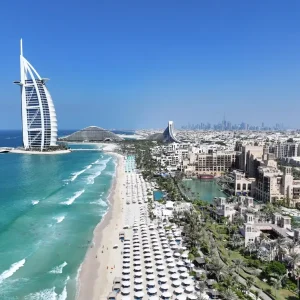
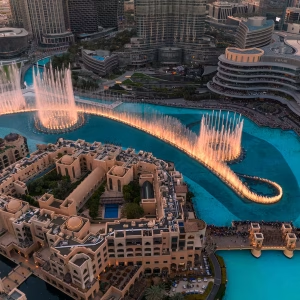
While skyscrapers, luxury malls, and futuristic projects define the UAE’s image abroad, the essence of its national identity lies in the balance between tradition and progress.
Looking Toward the Future
As the UAE moves forward with initiatives like Vision 2031 and ambitious projects in space, renewable energy, and technology, the preservation of national identity remains a top priority. For Emiratis, identity is not just about remembering the past—it is about carrying forward values of unity, pride, and culture into the future.
Conclusion
The story of UAE national identity is one of resilience, unity, and pride. Rooted in Bedouin traditions, strengthened by the vision of the Founding Fathers, and preserved through education and cultural programs, it continues to guide the nation.
As the UAE grows as a global leader, its national identity reminds its people—and the world—that progress is most powerful when built on strong traditions. The history behind it is not only a story of the past but also a promise for the future.
Do follow UAE Stories on Instagram
Best Plates in Abu Dhabi You Simply Must Try Now