
The United Arab Emirates continues to set the standard for modern development, investing heavily in infrastructure projects that not only drive economic growth but also improve the quality of life for residents and visitors alike. These initiatives reflect a comprehensive vision focused on stability, well-being, and sustainable development across the nation.
National Projects Enhancing Mobility and Economic Integration
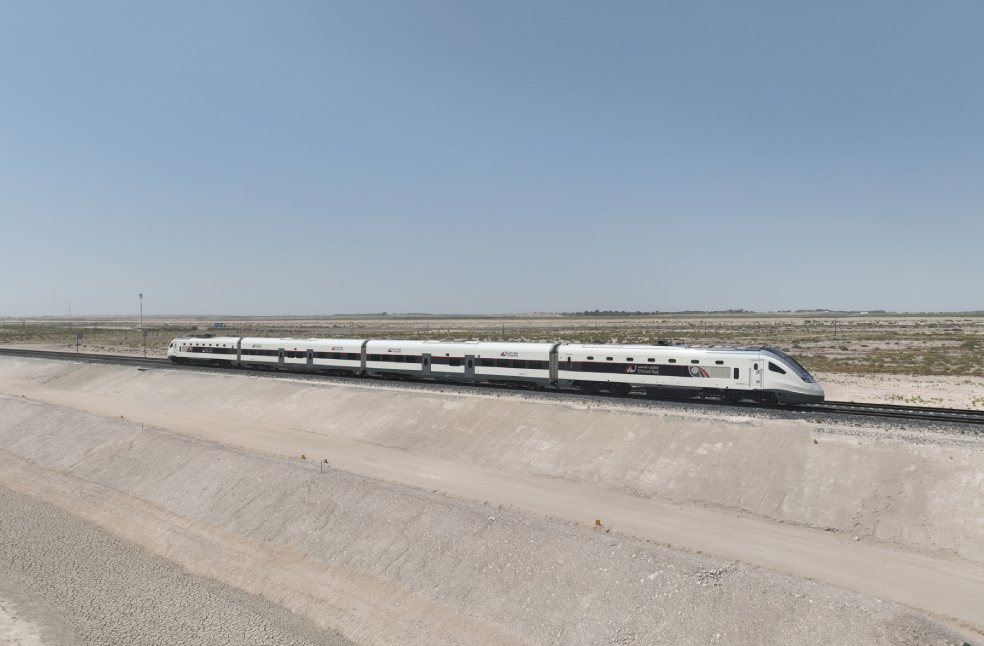
At the federal level, the UAE has launched an ambitious high-speed rail project connecting Abu Dhabi and Dubai. This new rail line will reduce travel time between the two cities to just 30 minutes, operating at speeds of up to 350 kilometers per hour. Over the next five decades, the project is expected to contribute more than AED 145 billion ($39.5 billion) to the economy, promoting long-term productivity and seamless integration between the emirates.
Alongside the rail initiative, national road development programs valued at over AED 170 billion ($46.3 billion) are underway. These programs aim to improve the efficiency of the federal road network and enhance traffic flow, supporting economic connectivity and logistics across the UAE.

Abu Dhabi: Leading Public-Private Partnership Growth
In Abu Dhabi, the Projects and Infrastructure Centre has signed public-private partnership contracts worth AED 22 billion ($6 billion). As of October, more than 600 public-private partnership projects are under development, demonstrating strong and sustained investment momentum. These projects are designed to enhance urban living, deliver sustainable infrastructure, and support the emirate’s long-term economic vision.
Dubai: Expanding Roads, Bridges, and Metro Lines
Dubai continues to invest in projects that enhance mobility and urban development. The expansion of Al Fay Street, costing AED 1.5 billion ($408 million), has improved traffic flow and access across the city. Additionally, the construction of a 1,425-metre bridge connecting Dubai Islands, valued at AED 786 million ($214 million), provides new entry and exit points to boost connectivity.

The Tasreef stormwater drainage system has been developed in four areas at a cost of AED 1.439 billion ($392 million), protecting communities from flooding and improving city resilience. Dubai’s Metro Blue Line, a 30-kilometre extension with 14 stations, will serve around one million residents, further enhancing public transport and reducing congestion.
Sharjah: Water, Power, and Transportation Projects
Sharjah has inaugurated several infrastructure projects aimed at improving utilities and connectivity. These include the Al Layyah Canal in the Al Khalidiya suburb, the Airport Station in Umm Fannin with a capacity of 220 kilovolts, and the extension of the main water pipeline from Kalba to Wadi Al Helo. These projects, collectively valued at over AED 500 million ($136 million), enhance resource management and transportation efficiency across the emirate.
Ajman: Roads and Heritage Connectivity
In Ajman, the Sheikh Zayed Street project in the Al Helio area, costing AED 63 million ($17.1 million), has been inaugurated to improve urban mobility. Additionally, the Masfout Gate project is underway to enhance facilities and connect natural and heritage landmarks, combining modern infrastructure with cultural preservation.
Ras Al Khaimah, Umm Al Qaiwain, and Fujairah Initiatives
Ras Al Khaimah is investing in aviation infrastructure with a VIP terminal and private aircraft hangars to support business and tourism growth. Umm Al Qaiwain has launched a major Emirates Road upgrade valued at AED 750 million ($204 million), reducing journey times by up to 45 percent and boosting connectivity.
Fujairah continues to expand internal roads and has brought the Fujairah F3 power plant into commercial operation, adding 2.4 gigawatts of energy capacity. These projects enhance the emirate’s infrastructure and support sustainable development for both residents and businesses.
A Vision for Sustainable Growth and Enhanced Well-Being
The UAE’s 2025 infrastructure initiatives highlight a commitment to creating a future-ready nation. By improving transportation, energy, and water systems, the country ensures that residents enjoy a higher quality of life while strengthening economic resilience. These projects also reinforce the UAE’s reputation as a hub of innovation, sustainability, and investment, shaping cities that are not only functional but also livable, safe, and connected.
The scale and diversity of these projects reflect a unified vision across all seven emirates. From high-speed rail to water management, stormwater drainage systems, metro expansions, and aviation facilities, the UAE continues to demonstrate that infrastructure development is not just about construction but about improving lives and creating opportunities for generations to come.
Do follow UAE Stories on Instagram
Read Next – Hero Dubai Desert Classic 2026: Dubai’s Premier Golf Event Returns