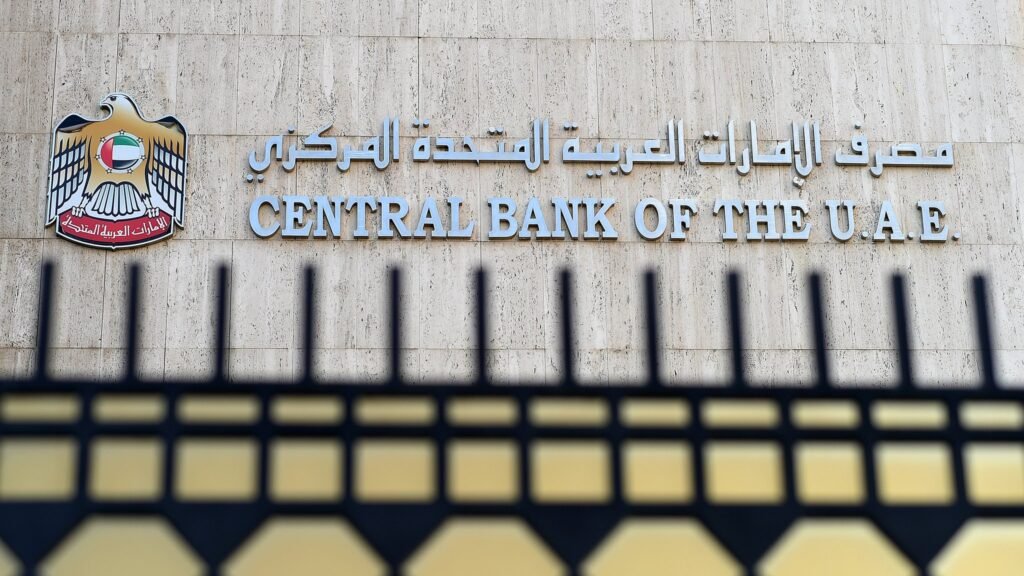
The UAE Central Bank 2025 growth forecast has been revised upward, signaling a more optimistic outlook for the nation’s economy. The Central Bank has now projected that the UAE’s GDP will grow by 4.9% in 2025, an increase from the earlier estimate of 4.4%. This upward revision comes amid a surge in the real estate sector, a recovering oil industry, and strong performance in non-hydrocarbon industries. Analysts and investors are closely watching these developments, as they indicate a continuing period of economic resilience and expansion across multiple sectors.
Economic Growth Revision Reflects Optimism
The latest figures from the Central Bank indicate that the UAE economy is on a strong growth trajectory. The real GDP growth forecast for 2025 has been raised to 4.9%, with expectations of further acceleration to 5.3% in 2026. This optimistic outlook reflects the combined contributions of a recovering hydrocarbon sector and sustained growth in non-oil industries, highlighting the UAE’s increasing economic diversification.
The decision to revise the growth forecast upward is based on multiple factors. Key among them is the surge in domestic and foreign investment, particularly in the real estate sector. The UAE continues to attract investors from around the world, drawn by its stable political environment, business-friendly policies, and infrastructure development. These elements have helped the country create a more robust economic foundation, capable of weathering global uncertainties while supporting long-term growth.

Real Estate Sector Emerges as a Growth Engine
A major factor behind the upward revision in the UAE Central Bank 2025 growth forecast is the remarkable performance of the real estate sector. Over the past year, the UAE has witnessed an unprecedented increase in property demand and investment. This has been particularly visible in Dubai, which remains one of the world’s most active real estate markets.
The surge in real estate activity can be attributed to several factors. First, favorable government policies, including visa reforms and attractive ownership laws, have encouraged both expatriates and international investors to purchase property. Second, large-scale infrastructure projects and new urban developments are enhancing the value of existing and new properties alike. Third, the UAE’s growing expatriate population continues to fuel rental demand, providing stability to the residential and commercial property markets.

Residential and commercial property sales have both shown significant growth. High-end residential projects are witnessing increased uptake, while office and retail spaces are seeing renewed interest as businesses return to expansion mode after a period of cautious investment. This sustained demand in the real estate sector is now contributing more significantly to the nation’s overall GDP, making it a key driver in the revised growth forecast.
Dubai Leading the Real Estate Surge
Dubai, in particular, has emerged as a central hub for real estate investment. The city has recorded notable increases in both property transactions and property values. Developers are increasingly focusing on high-quality residential and mixed-use developments, offering a wide range of options for investors and homebuyers.
Several key drivers have contributed to this surge in Dubai’s real estate market. Firstly, government initiatives aimed at enhancing ease of doing business and foreign ownership rights have made it easier for international investors to enter the market. Secondly, the city’s world-class infrastructure and lifestyle amenities continue to attract high-net-worth individuals. Thirdly, Dubai’s position as a regional business hub ensures that demand for commercial real estate remains strong.
The positive momentum in Dubai’s real estate market has spillover effects on the broader economy. Increased investment in real estate leads to higher employment in construction, architecture, design, and related sectors. Additionally, a vibrant property market encourages the growth of financial services, legal services, and retail, all of which contribute to the UAE’s overall economic growth.
Oil Sector Recovery Strengthens Economic Outlook
While real estate is playing a pivotal role, the hydrocarbon sector remains an essential pillar of the UAE’s economy. Oil production and exports continue to provide a reliable source of revenue for the government and have a direct impact on national GDP.
The Central Bank expects the hydrocarbon sector to grow significantly in 2025, supported by global demand recovery and the UAE’s strategic alignment with OPEC+ production policies. While oil prices remain subject to global market fluctuations, the country’s disciplined production strategy helps maintain stability in revenue streams, supporting public investment and fiscal sustainability.
The recovery of the oil sector also has a multiplier effect on other industries. Increased oil revenues allow for higher public spending on infrastructure, education, healthcare, and technological innovation. These investments, in turn, stimulate growth in construction, engineering, and services sectors, creating a virtuous cycle that contributes to the overall upward revision in the UAE Central Bank 2025 growth forecast.
Non-Hydrocarbon Sector Continues Strong Performance
The UAE’s non-hydrocarbon sector is showing remarkable resilience and expansion, further strengthening the country’s economic outlook. Industries such as manufacturing, tourism, financial services, and construction have been steadily growing, underpinned by government initiatives to diversify the economy and reduce dependence on oil revenues.
Manufacturing and industrial production are benefiting from government incentives and strategic partnerships with international firms. Financial services are thriving due to Dubai and Abu Dhabi’s positions as regional financial hubs, attracting investment and supporting economic activity. The tourism sector, in particular, has experienced a strong rebound following the global easing of travel restrictions, with international visitors returning in large numbers and driving demand for hospitality, retail, and entertainment services.
The combination of these non-oil sector contributions has been instrumental in supporting the upward revision of the UAE Central Bank 2025 growth forecast. It reflects a more balanced and diversified economy, capable of sustaining growth across multiple avenues and weathering external economic shocks.
Inflation Outlook and Monetary Policy
Alongside the growth forecast, the Central Bank has also updated its inflation projections. Inflation is expected to moderate in 2025, reflecting lower costs in sectors such as transportation and energy. A stable inflation outlook supports consumer confidence and purchasing power, which is critical for sustaining economic expansion.
The Central Bank has adjusted monetary policy to support continued growth. The reduction in the base interest rate provides an incentive for borrowing, investment, and consumption. This is particularly beneficial for sectors such as real estate and small businesses, where lower financing costs encourage expansion and stimulate economic activity. The policy measures reflect the Central Bank’s commitment to maintaining a balanced approach that supports both growth and stability.
Government Initiatives Boost Investor Confidence
The UAE government continues to implement measures aimed at creating a conducive environment for investment and economic growth. These initiatives include reforms to visa policies, investment incentives, and regulations that enhance transparency and ease of doing business.
The focus on infrastructure development is particularly noteworthy. Major projects in transportation, urban planning, and tourism infrastructure are attracting both local and international investors. These developments not only improve the quality of life for residents but also create new opportunities for business and employment.
Government support for innovation and technology adoption is another key factor. By promoting digital transformation across various sectors, the UAE is positioning itself as a forward-looking economy capable of competing on a global scale. These efforts have contributed to rising investor confidence and are a crucial factor behind the positive revisions in economic forecasts.
Consumer and Business Confidence
Rising consumer and business confidence also play a crucial role in the UAE Central Bank 2025 growth forecast. Surveys indicate that both individuals and companies are increasingly optimistic about economic prospects. Consumers are more willing to spend, particularly in sectors such as retail, hospitality, and real estate, while businesses are investing in expansion and modernization.
This optimism is reinforced by continued government support, infrastructure improvements, and a stable macroeconomic environment. A confident consumer base and a dynamic business community are essential drivers of sustainable economic growth, providing further justification for the upward revision in the growth forecast.
Future Outlook and Opportunities
Looking ahead, the UAE is poised to continue its growth trajectory beyond 2025. The combination of a thriving real estate sector, a recovering hydrocarbon industry, and resilient non-oil sectors creates a robust foundation for long-term expansion.
Key opportunities include further diversification of the economy, continued investment in technology and innovation, and strengthening the UAE’s position as a global trade and investment hub. By capitalizing on these opportunities, the country can ensure sustainable economic growth, maintain high levels of employment, and enhance the overall standard of living for residents.
Conclusion
The UAE Central Bank 2025 growth forecast highlights a period of optimism and resilience for the nation’s economy. The upward revision to 4.9% reflects strong performance in the real estate sector, a recovering oil industry, and continued growth in non-hydrocarbon sectors. Strategic government initiatives, stable monetary policy, and increasing consumer and business confidence are supporting this positive outlook.
As the UAE moves forward, the focus will remain on sustaining these growth trends while fostering diversification and innovation. The country’s ability to balance traditional sectors like oil and real estate with emerging industries will be crucial in ensuring long-term economic prosperity. The UAE’s robust economic foundation, combined with strategic policy measures, positions it as a leading economy in the region, capable of navigating challenges and capitalizing on opportunities in the years ahead.
Do follow UAE Stories on Instagram
Read Next – The Nine Dubai: A British Gastro Pub Experience at Sofitel The Obelisk