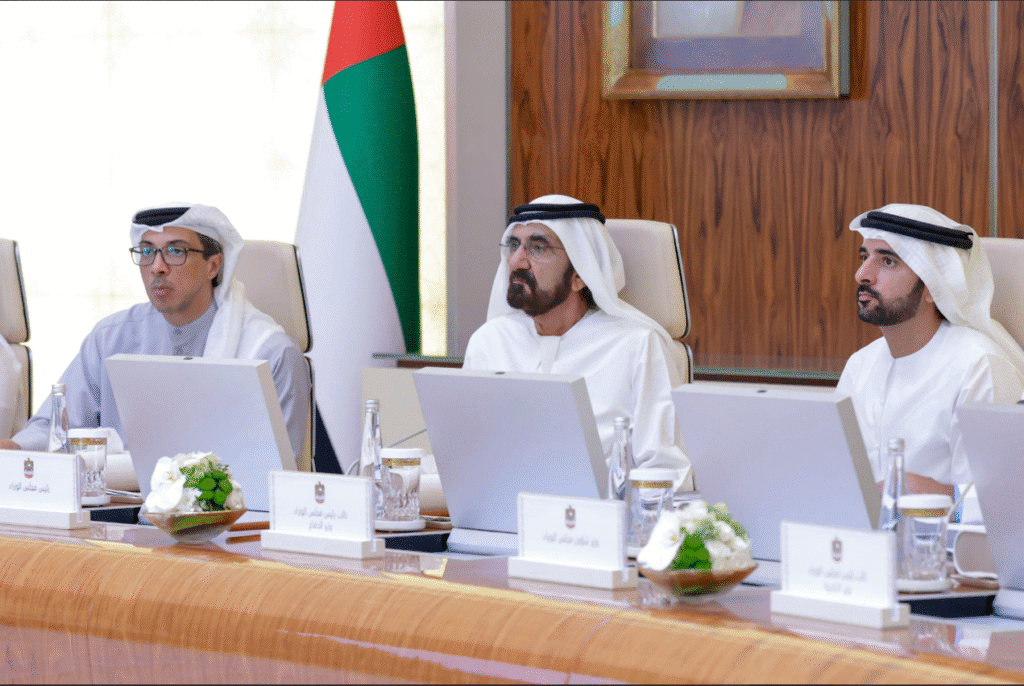
The UAE Cabinet Economic Clusters 2025 Annual Meeting marks a major milestone in the nation’s ongoing efforts to strengthen its economic structure and foster sustainable development. Under the leadership of His Highness Sheikh Mohammed bin Rashid Al Maktoum, Vice President and Prime Minister of the UAE and Ruler of Dubai, the Cabinet recently approved the National Policy for Economic Clusters. This policy is designed to enhance innovation, improve competitiveness, and establish the UAE as a global hub for specialized industries.
The move comes as part of the UAE’s broader vision to diversify the economy, create new job opportunities, and build on its reputation as one of the most dynamic and investor-friendly countries in the world. By focusing on economic clusters, the UAE aims to create concentrated ecosystems where businesses, research institutions, and government entities can work together efficiently, generate synergies, and achieve significant economic outcomes.
Understanding Economic Clusters
Economic clusters are geographic concentrations of interconnected companies, suppliers, and associated institutions within a specific sector. They offer several benefits, including increased productivity, accelerated innovation, and enhanced competitiveness. By bringing together specialized skills, advanced technologies, and institutional support, clusters provide businesses with the resources they need to grow rapidly while contributing to the national economy.

In the UAE’s context, economic clusters are intended to serve as engines of growth for key sectors, creating hubs where knowledge, innovation, and investment converge. Each cluster is expected to focus on a core industry, supported by complementary services, research capabilities, and a skilled workforce. The goal is to enable the UAE to move beyond a traditional trade and services-based economy and become a global leader in high-value industries.
Key Sectors Targeted by the Policy
The National Policy for Economic Clusters focuses on sectors where the UAE can leverage its strengths and achieve competitive advantages. These sectors include financial services, tourism and hospitality, space and aerospace, communications and data analytics, and food security and agriculture.

Financial Services
The UAE aims to strengthen its position as a leading financial center in the region. By establishing a financial services cluster, the country will attract international banks, fintech startups, and investment institutions. This cluster will facilitate access to capital, enhance financial innovation, and provide a robust environment for startups and multinational companies alike.
Tourism and Hospitality
Tourism has always been a vital pillar of the UAE’s economy. The policy seeks to enhance the UAE’s global reputation as a premier tourist destination through specialized clusters for hospitality, entertainment, and cultural experiences. These clusters will encourage partnerships, innovation in services, and sustainable tourism practices, helping the country maintain its competitive edge in global tourism markets.
Space and Aerospace
The UAE has made significant strides in space exploration and aerospace technology. By creating a dedicated cluster, the country can further develop its capabilities in satellite technology, space research, and aviation. This cluster will support innovation, collaboration with international space agencies, and the development of a highly skilled workforce specialized in aerospace technologies.
Communications and Data Analytics
In today’s digital world, data is a critical resource. The UAE aims to become a leader in communications, data analytics, and smart technologies. The communications and data analytics cluster will focus on developing advanced infrastructure, supporting technology startups, and integrating digital solutions across industries to enhance efficiency and decision-making.
Food Security and Agriculture
Ensuring food security is a strategic priority for the UAE. The policy promotes clusters focused on sustainable agriculture, innovative farming technologies, and efficient supply chain management. These clusters will help secure the nation’s food supply, create new investment opportunities, and drive innovation in agriculture and food technology.

Economic Benefits of the Clusters
The establishment of economic clusters is expected to have significant positive impacts on the UAE economy. These include increased GDP contribution, boosted foreign trade, job creation, innovation and knowledge transfer, and sustainable growth.
The clusters are projected to add billions of dirhams annually to the national economy by attracting investments and stimulating industrial activity. Concentrating industries in clusters will enhance the UAE’s trade capabilities, increasing exports and creating new international partnerships. Each cluster is expected to generate thousands of new employment opportunities across various sectors, offering jobs for highly skilled professionals as well as local talent in emerging industries.
By clustering similar businesses and institutions, the policy encourages research, innovation, and knowledge sharing, leading to advanced solutions in technology, finance, and other fields. With a focus on long-term planning, the clusters will promote environmentally responsible practices, ensuring that economic development aligns with the UAE’s sustainability goals.
UAE Government Annual Meetings 2025
Alongside approving the economic clusters policy, the UAE Cabinet has outlined the agenda for the 2025 UAE Government Annual Meetings. Scheduled from November 4 to 6 in Abu Dhabi, this event will bring together more than 500 senior government officials. The meetings aim to align government strategies, enhance collaboration, and focus on key national priorities.
Key Focus Areas of the Annual Meeting
The 2025 agenda will address multiple strategic areas including education, healthcare, family and national identity, economic development, and artificial intelligence applications.
In education, plans will be discussed to enhance the quality of learning, promote innovation, and prepare the workforce for future demands. Healthcare discussions will explore ways to improve services, expand access, and promote public health initiatives nationwide. Efforts to preserve cultural heritage, strengthen societal values, and support families will remain a priority. Government officials will review current economic policies, evaluate the impact of initiatives like the economic clusters, and explore opportunities for diversification and growth. Integration of AI in government operations, smart city projects, and public services will also be a major point of discussion, reflecting the UAE’s commitment to digital transformation.
The annual meetings are designed to foster a collaborative environment where government entities can exchange ideas, coordinate projects, and work towards a unified vision for national development.
How Economic Clusters Will Transform the UAE
The introduction of economic clusters is expected to transform the UAE in multiple ways. By creating specialized hubs, the UAE can attract global businesses and investments, strengthening its position as a competitive economy on the world stage. Clusters foster innovation by encouraging collaboration between businesses, research centers, and educational institutions, leading to breakthrough technologies and business models.
The policy will create opportunities for skill development, training, and career growth, ensuring that the UAE workforce remains competitive in high-value industries. Each cluster will prioritize sustainable and environmentally responsible practices, supporting the UAE’s commitment to a green economy. By successfully implementing economic clusters, the UAE sets an example for other countries in the region, showcasing its ability to innovate and lead in economic planning.
Challenges and Opportunities
While the economic clusters policy offers numerous benefits, implementing it successfully will require careful planning and execution. Key challenges may include coordination across sectors, talent acquisition, and infrastructure development.
Aligning multiple government entities, private businesses, and educational institutions within each cluster will require strong coordination. Recruiting and training professionals with the necessary skills in emerging industries may require targeted programs and partnerships with international institutions. Establishing state-of-the-art facilities, research centers, and digital infrastructure is essential for the clusters to operate efficiently.
Despite these challenges, the opportunities are immense. Each cluster has the potential to become a hub of innovation, attracting global investors, developing new technologies, and creating sustainable economic growth for the UAE.
Conclusion
The approval of the National Policy for Economic Clusters by the UAE Cabinet Economic Clusters 2025 Annual Meeting represents a strategic leap forward in the UAE’s journey towards a diversified and sustainable economy. By focusing on key sectors such as financial services, tourism, space, communications, and food security, the UAE is positioning itself as a global leader in innovation and economic development.
The upcoming 2025 Annual Government Meetings will provide a platform for government officials to align strategies, enhance collaboration, and set national priorities for the years ahead. Together, the economic clusters policy and the annual meeting agenda reflect the UAE’s commitment to fostering growth, innovation, and sustainable development while empowering its citizens and strengthening its global competitiveness.
The future of the UAE economy looks promising, with economic clusters paving the way for innovation, employment, and long-term prosperity. By creating specialized hubs of excellence, the country is investing in its economic future and setting a benchmark for strategic development worldwide.
Do follow UAE Stories on Instagram
Read Next – Dubai Urban Think Tank Design Lab: A Bold Leap in Urban Innovation