Strengthening National Unity and Global Presence
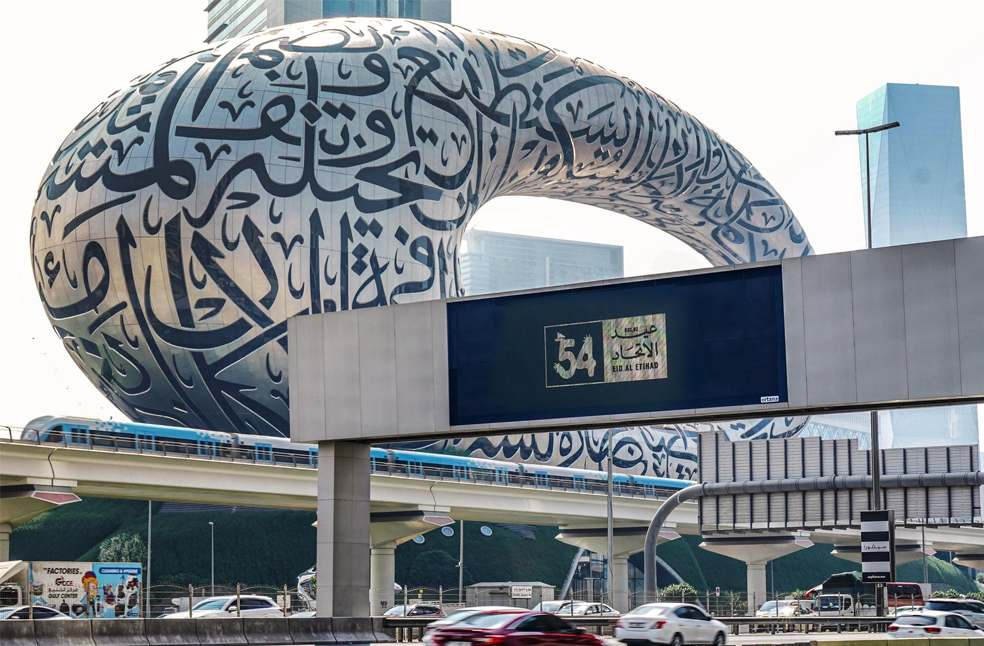
The United Arab Emirates is celebrating its 54th Eid Al Etihad, marking more than five decades of unity, ambition, and national progress. This year stands as a meaningful chapter in the UAE’s journey, highlighting major achievements that reflect its growing impact on global affairs. With a strong focus on economic development, innovation, and sustainable growth, the nation continues to solidify its presence as a leading force internationally.
The UAE’s leadership has guided the country with a clear long-term vision. This vision has promoted diversification, global partnerships, advanced infrastructure, and opportunities that enrich the quality of life for citizens and residents. As the world changes rapidly, the UAE remains committed to building a knowledge-based, future-ready economy that competes internationally.
Expanding Economic Strength and Investment Appeal
The UAE’s economic performance continues to be one of the strongest globally. Over the past year, the country has maintained its position as a high-growth economy, largely driven by the non-oil sector. This aligns with the UAE’s broader strategy to diversify its income sources and reduce dependency on oil, ensuring long-term sustainability.

Foreign trade has reached impressive levels. The nation achieved significant growth in non-oil trade during the first half of the year, crossing a major milestone and demonstrating strong international demand for UAE products and re-exports. This growth also highlights the strength of the UAE’s logistics, ports, and global connectivity.
Another defining achievement is the approval of the largest federal budget in the UAE’s history. This budget supports development plans, education, healthcare, advanced technology, and nationwide infrastructure. In addition, the National Investment Strategy 2031 aims to attract hundreds of billions in foreign investment annually. This ambitious plan will enhance economic resilience and strengthen the UAE’s ranking as a top global investment destination.

The financial sector has also shown remarkable performance. The UAE’s banking assets have grown substantially, reflecting a stable financial environment. Credit growth across industries has supported business activities, new projects, and entrepreneurial ventures. The country’s continued focus on digital banking and fintech innovation also enhances ease of doing business.
A major strategic initiative launched recently is the UAE Global Centre of Trade. This program is designed to attract a large number of international companies, enhance export markets, and strengthen global trade partnerships. By building advanced digital gateways and developing trade-focused infrastructure, the UAE is positioning itself as one of the world’s most influential trade hubs.
Advancement of Travel and Tourism
The tourism sector remains one of the UAE’s strongest economic pillars, supporting millions of jobs and contributing significantly to the national GDP. Over the past year, the sector recorded excellent performance, with hotels welcoming millions of guests and generating strong revenues. This rise in tourism activity reflects the country’s global appeal, safety standards, leisure amenities, and diverse attractions.
UAE airports have maintained their position among the busiest in the world. Millions of passengers have passed through Abu Dhabi, Dubai, and Sharjah airports, reinforcing the nation’s importance as a global aviation bridge connecting the East and West. The growth in passenger traffic also highlights the continued trust of international travelers.
A historic accomplishment for the UAE on the global tourism stage is the election of Shaikha Nasser Al Nowais as the Secretary-General of the United Nations Tourism Organization. This milestone demonstrates the UAE’s leadership and growing influence in shaping the future of global tourism.
Several significant tourism projects have been announced or launched across the Emirates. These include the Al Tay Hills project in Sharjah, which focuses on nature, cultural tourism, and sustainability; the expansion of the Al Khor Waterfront in Umm Al Qaiwain; and the announcement of a major Disney World and Resort in Abu Dhabi. Another upcoming project, Therme Dubai, will introduce a large-scale wellness and entertainment destination, further boosting the UAE’s appeal for families, tourists, and investors.
Infrastructure Development Supporting National Growth
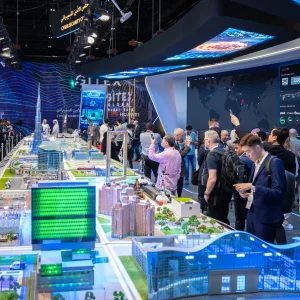
Infrastructure development remains at the core of the UAE’s progress. With multiple projects across transportation, energy, housing, and public services, the country continues to invest in systems that improve national connectivity and support future population growth.
A key development is the high-speed rail network connecting Abu Dhabi and Dubai. Once operational, this rail line will reduce travel time significantly, ease road traffic, and link business hubs more efficiently. It represents a major step toward sustainable mobility and modern public transportation.
The national roads and transport plan includes large-scale investments aimed at enhancing roads, bridges, and transport networks until 2030. Improvements in road efficiency and capacity across federal roads demonstrate the UAE’s commitment to safety, convenience, and long-term planning. The construction of the fourth federal highway, designed to handle hundreds of thousands of daily trips, highlights the scale of national infrastructure expansion.
The Dubai Metro Blue Line has also begun development, marking a major addition to the city’s transport network. The new line will improve connectivity across Dubai and support population growth in fast-developing communities.
Another essential project is the Tasreef stormwater drainage system in Dubai. Contracts have been awarded to develop advanced stormwater networks that provide effective water flow management and support urban resilience. This system will help prevent flooding and ensure smoother water drainage during heavy rainfall.
In Sharjah, the completion of a major substation project strengthens the city’s energy grid and supports industrial, residential, and commercial expansion. Meanwhile, the Fujairah F3 power plant has begun commercial operations, providing electricity to hundreds of thousands of homes. This plant plays a key role in ensuring energy stability, reliability, and sustainability in the region.
One of the most noteworthy developments is the Dubai Auto Market, now the largest in the world. Spanning vast acreage, this market attracts both regional and global automotive businesses, bolstering Dubai’s position as a major commercial hub. It also supports economic diversification and creates new opportunities for trade and investment.
Infrastructure upgrades continue in the northern Emirates as well. Ras Al Khaimah International Airport, for example, has introduced a new VIP terminal and exclusive private aircraft hangars. These additions enhance luxury travel experiences and support the rising demand for business aviation.
A Future Built on Vision and Commitment
As the UAE celebrates its 54th Eid Al Etihad, the nation reflects on its journey from unification to becoming one of the most dynamic and advanced countries in the world. The achievements of the past year highlight the UAE’s dedication to progress, global influence, and sustainable development. Its focus on innovation, infrastructure, economic diversification, and international partnerships continues to shape a promising future for the next generations.
The country’s leadership and long-term strategies ensure that the UAE remains prepared for global changes and challenges. With strong foundations, forward-thinking plans, and an unwavering commitment to excellence, the UAE continues to move confidently toward new milestones.
Do follow UAE Stories on Instagram
Read Next – Guinness World Record Set in Ajman with ‘EID AL ETIHAD UAE 54’