A New Era for European Travel
Travelling to Schengen countries is set to become a smoother experience for international tourists and business travellers alike. The European Union is rolling out a new system that digitizes border control and simplifies entry and exit processes. For anyone planning a short trip to Europe, this development could save both time and stress, ushering in a modern travel experience.
The Entry/Exit System (EES) Explained
Starting October 12, 2025, Schengen countries will introduce the Entry/Exit System (EES), a digital platform designed to register non-EU nationals entering and leaving participating countries. This system will cover Austria, Belgium, Bulgaria, Croatia, Czechia, Denmark, Estonia, Finland, France, Germany, Greece, Hungary, Iceland, Italy, Latvia, Liechtenstein, Lithuania, Luxembourg, Malta, Netherlands, Norway, Poland, Portugal, Romania, Slovakia, Slovenia, Spain, Sweden, and Switzerland. Full implementation is expected by April 10, 2026.
The EES records entry and exit dates, length of stay, and biometric information, replacing traditional passport stamps. It marks a significant shift toward modern, efficient border management across Europe.

No More Passport Stamps
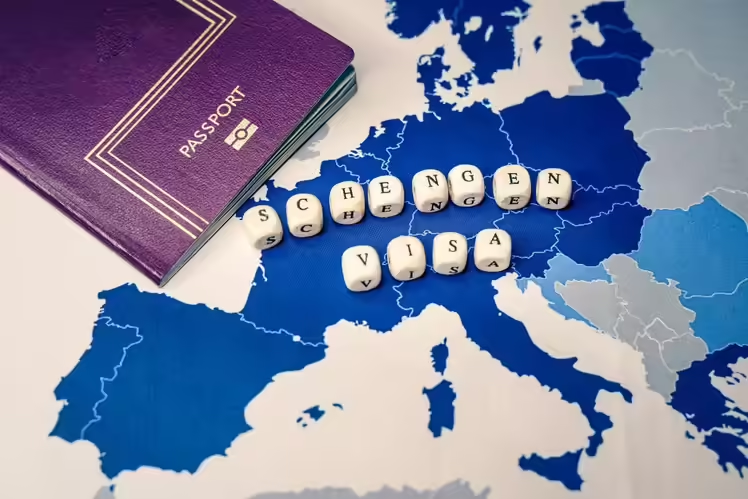
One of the most noticeable changes for travellers will be the disappearance of passport stamps. All personal and travel data will now be stored digitally, including photos and fingerprints. This change not only reduces waiting times at borders but also ensures accurate records of travel history for both authorities and travellers.
Understanding Biometric or E-Passports
A biometric passport, or e-passport, resembles a standard passport but contains a small electronic chip storing personal details, photographs, and fingerprints. Many UAE passports already include this feature. The chip facilitates faster border checks and enables automated gate usage at certain airports.

Is a Biometric Passport Necessary?
While a biometric passport is not mandatory for entering Schengen countries, travellers who possess one can benefit from self-service kiosks at select airports. These kiosks allow for faster passage by scanning the passport and facial recognition, bypassing traditional manual checks. Those without biometric passports will continue to be processed through standard procedures.
Who Must Register in the EES?
The EES applies to all non-EU nationals travelling for short stays in Schengen countries, regardless of whether a visa is required. Children under 12 are exempt from fingerprint scanning, though a photograph may still be taken. Some additional exemptions also apply depending on specific travel circumstances.
Key Benefits of the EES
- Modern and Efficient Border Checks: Replaces manual stamps with a digital system for faster processing.
- Shorter Waiting Times: Self-service kiosks and automated checks reduce queues and waiting periods.
- Enhanced Security: Fingerprint and facial data help prevent overstays and misuse of travel documents.
- Streamlined Travel: Electronic records make it easier to track travel history and avoid complications.
How Travel Will Change
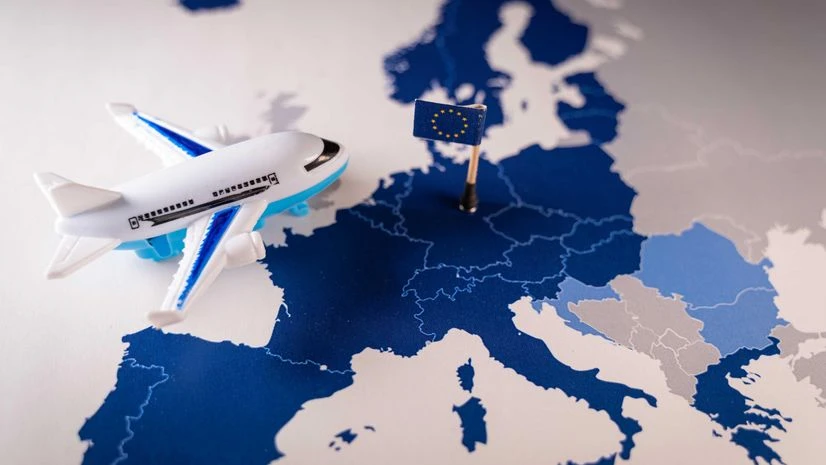
With the EES, travellers can expect a more seamless journey. Automated border control minimizes human error, while faster processing times allow for a more enjoyable experience from arrival to departure. Tourists and business travellers alike will benefit from improved efficiency and reliability.
Implications for Frequent Travellers
Frequent travellers to Schengen countries will see significant advantages, including quicker airport processing and the ability to pre-register travel details. This can also enhance travel planning and reduce anxiety around last-minute document checks.
Potential Challenges and Considerations
While the new system promises smoother travel, there may be an adjustment period for both travellers and border authorities. Some travellers may need to familiarize themselves with biometric procedures and kiosk usage. Additionally, ensuring data privacy and security will remain a top priority for European authorities.
How to Prepare for Travel
- Check Passport Validity: Ensure your passport is current and, if possible, biometric-enabled.
- Familiarize Yourself with the EES: Learn the registration process and entry requirements for each country.
- Plan Ahead: Arrive early at airports to adjust to new automated systems.
- Keep Travel Documents Ready: Even with digital systems, have backup identification accessible if needed.
The Future of Travel in Europe
The introduction of the EES is part of a broader trend toward digitized and automated travel experiences worldwide. As more countries adopt similar systems, international travel is expected to become more predictable, efficient, and secure.
Conclusion: A Smoother Journey Awaits
Travelling to Schengen countries is on the verge of a significant transformation. The Entry/Exit System and the growing use of biometric passports promise a faster, safer, and more streamlined travel experience. For tourists and business travellers alike, this is a welcome development that simplifies the process while maintaining robust security measures.
Do follow UAE Stories on Instagram
Read Next – Air Arabia Airbus A320neo Delivery Boosts Fleet to 84 Aircraft