The Dh1 banknote holds a special place in the history of the United Arab Emirates‘ currency. Many people today may not even know that such a banknote ever existed. This article will take you through the fascinating story of the Dh1 banknote, revealing what it looked like and why it is a rare collector’s item now.
The Dh1 banknote was once part of the UAE’s early currency system before the introduction of the modern dirham notes that we use today. Although it is no longer in circulation, its legacy remains important for those interested in the UAE’s monetary history.
What Was the Dh1 Banknote?
The Dh1 banknote was a denomination issued by the UAE during the early years after the country formed in 1971. Before that, the region used currencies like the Qatar-Dubai riyal. With the establishment of the UAE, the government introduced the dirham as the official currency, and the Dh1 banknote was one of the first notes printed.

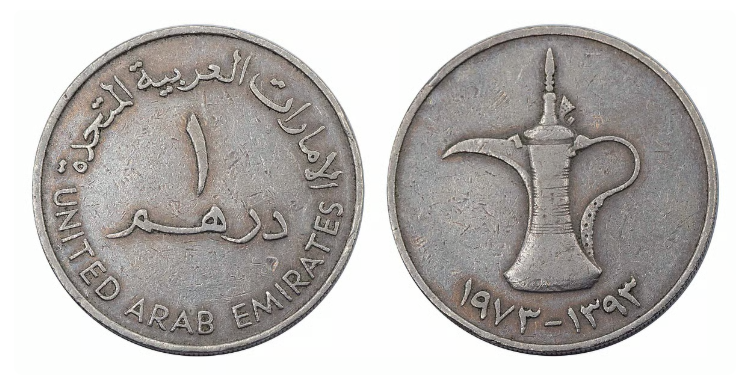
The note had a value of one dirham, which was the smallest banknote denomination at the time. Today, coins have mostly replaced this low-value banknote, making the Dh1 banknote a rare and interesting piece of history.
Design and Features of the Dh1 Banknote
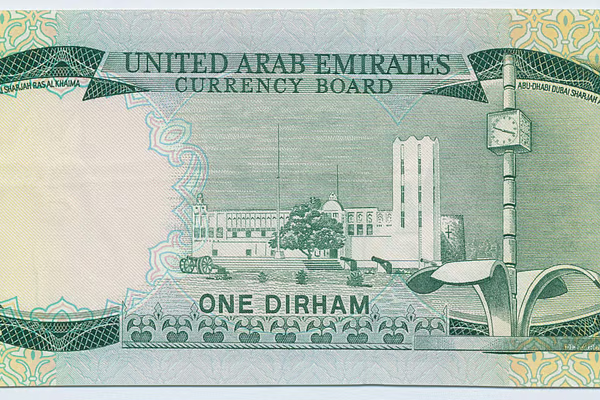
The design of the Dh1 banknote reflected the cultural heritage and national identity of the UAE. Here are some key features of this note:

- Front Side: The front usually displayed images of traditional Emirati symbols. Early Dh1 notes featured a dhow boat, which is an important symbol of the UAE’s seafaring and pearl diving history.
- Back Side: The back side often showed local architectural motifs or desert landscapes. These designs aimed to highlight the beauty and uniqueness of the Emirates.
- Color and Size: The Dh1 note was printed in shades of green and beige, with a size smaller than the higher-value dirham notes.
- Security Features: Though not as advanced as today’s notes, the Dh1 banknote included watermarks and security threads for protection against counterfeiting.
These design elements made the Dh1 banknote both practical for use and a reflection of national pride.
Why Was the Dh1 Banknote Discontinued?
The Dh1 banknote was discontinued as coins became the preferred method for low-value transactions. Coins are more durable and cheaper to produce compared to paper notes. Over time, the Dh1 banknote gradually vanished from circulation.
Collectors and historians treasure the few remaining Dh1 banknotes because they represent an early chapter in the UAE’s economic development. Today, spotting a genuine Dh1 banknote is rare, and those who find one often consider it a valuable collector’s item.
How to Identify an Original Dh1 Banknote
For anyone curious about old currency or who owns a Dh1 banknote, here are some tips to identify an original note:
- Check the print quality: Original notes have crisp, clear printing.
- Look for the watermark: Hold the note up to light to see the watermark design.
- Inspect the serial numbers: These should be uniform and printed clearly.
- Compare with known images of the Dh1 banknote to confirm design details.
Because counterfeit notes are rare but possible, careful inspection is key for collectors.
Collecting the Dh1 Banknote: Value and Interest
The Dh1 banknote is an item of interest for currency collectors worldwide, especially those focused on Middle Eastern and Gulf region currencies. Its rarity and historical significance make it valuable.
Factors influencing the value of a Dh1 banknote include:
- Condition: Notes in mint or uncirculated condition fetch higher prices.
- Serial Numbers: Unique or low serial numbers can add to value.
- Edition Year: Earlier editions may be more valuable.
Collectors often trade Dh1 notes in auctions, specialty currency shops, and online marketplaces.
The Dh1 Banknote in Modern UAE Culture
Though no longer used, the Dh1 banknote occasionally appears in exhibitions and museums dedicated to UAE history. It helps newer generations understand the nation’s journey from a collection of small sheikhdoms to a united country with a strong economy.
The note also symbolizes the UAE’s efforts to establish its identity through currency, which plays an important role in any nation’s culture and sovereignty.
Interesting Facts About the Dh1 Banknote
- The Dh1 was the smallest denomination banknote issued in the UAE’s first currency series.
- It was replaced by coins in the late 1980s as the economy grew and transaction sizes increased.
- Original Dh1 banknotes can sometimes be seen in auctions, selling for amounts far above their original face value.
- The dhow boat image on the note is a reminder of the UAE’s rich maritime past.
- The note was part of a series that included Dh5, Dh10, Dh20, and higher denominations.
Conclusion: Why the Dh1 Banknote Matters Today
The Dh1 banknote is more than just old paper money. It is a symbol of the UAE’s early steps as a new country, representing its history, culture, and economic growth. For those interested in currency or UAE heritage, learning about the Dh1 banknote is a window into the past.
Although you will not find the Dh1 banknote in your wallet today, its story lives on. Collectors, historians, and curious residents alike appreciate its role in the UAE’s monetary story.
Read More: UAE Offers Deep Condolences to Finland and Estonia After Tragic Helicopter Crash