In the heart of the United Arab Emirates, a centuries-old Palestinian art form is experiencing a renaissance. Tatreez, the intricate embroidery that once adorned the garments of Palestinian women, is now weaving its way into the cultural tapestry of the Emirates, symbolizing resilience, identity, and a shared appreciation for heritage.
A Stitch in Time: The Legacy of Tatreez
Tatreez, characterized by its vibrant colors and geometric patterns, has been a cornerstone of Palestinian culture for over 3,000 years. Traditionally passed down from mother to daughter, each stitch tells a story, representing the wearer’s village, social status, and personal experiences. Following the displacement of Palestinians in 1948, Tatreez became more than decorative art—it evolved into a symbol of resistance and a means of preserving a rich cultural identity amidst adversity.
Threads Across Borders: Tatreez in the UAE
The UAE’s diverse and inclusive society has provided fertile ground for the revival of Tatreez. Dubai, in particular, has become a hub for cultural exchange, where traditional crafts are celebrated and reimagined. Palestinian artisans and enthusiasts have found a welcoming community eager to learn and participate in the art of Tatreez.

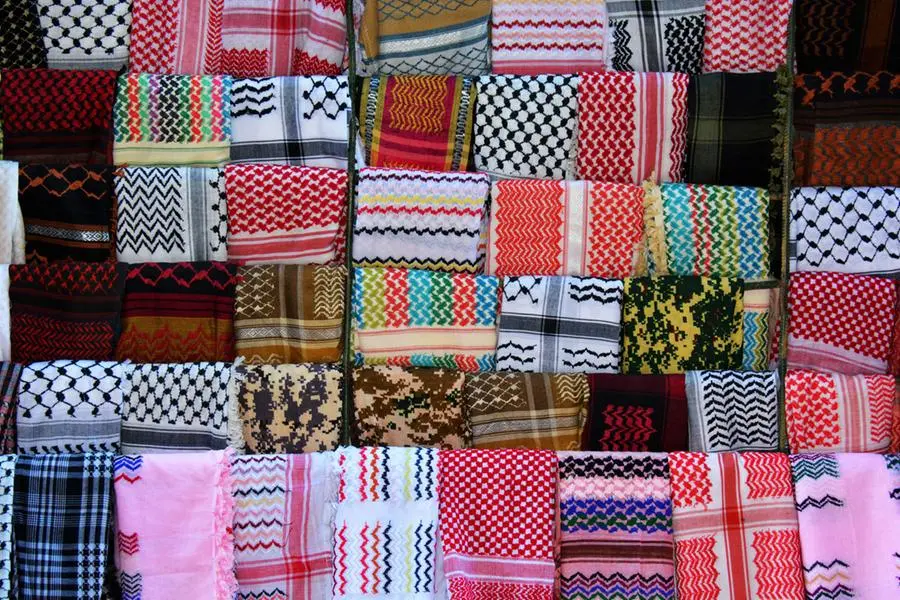
Workshops and gatherings, such as those held at KAVE in Alserkal Avenue, offer spaces for individuals to connect over shared heritage. These events not only teach the technical aspects of embroidery but also foster storytelling and cultural understanding. Participants from various backgrounds come together, needles in hand, to stitch patterns that have transcended time and borders.
Empowering Artisans: The Role of Social Enterprises
Organizations like 81 Designs have been instrumental in supporting refugee women artisans, providing them with platforms to showcase their skills and sustain their livelihoods. By modernizing Tatreez and integrating it into contemporary art and fashion, these enterprises bridge the gap between tradition and innovation. Their efforts not only preserve the craft but also empower women, turning embroidery into a source of economic independence and cultural pride.

Digital Preservation: The Tirazain Initiative
Recognizing the need to safeguard Tatreez for future generations, digital archives like Tirazain have emerged. Founded by Zain Masri, Tirazain digitizes traditional patterns, making them accessible to a global audience. This initiative ensures that the knowledge and stories embedded in Tatreez are not lost but continue to inspire and educate.
A Cultural Tapestry: Tatreez’s Contemporary Relevance
The resurgence of Tatreez in the UAE reflects a broader movement to honor and integrate traditional arts into modern contexts. Fashion designers, artists, and cultural institutions are embracing Tatreez, incorporating its motifs into their work and thereby introducing it to new audiences. This fusion of old and new not only revitalizes the craft but also reinforces its significance in today’s multicultural society.
Conclusion: Stitching the Future
Tatreez’s revival in the UAE is more than a cultural trend; it’s a testament to the enduring power of art to connect, heal, and empower. As the threads of Palestinian embroidery intertwine with the fabric of Emirati society, they create a vibrant tapestry that celebrates diversity, resilience, and the shared human experience.
Digital Preservation and Innovation
In today’s digital age, the Tatreez revival is also happening online. Instagram and TikTok are filled with videos of young women showing off their stitching progress, reviving old patterns, or inventing new ones that blend Palestinian heritage with modern aesthetics. Hashtags like #TatreezTuesday and #StitchPalestine are spreading awareness far beyond the Middle East.
At NYU Abu Dhabi, a student-led research project recently digitized over 100 traditional Tatreez motifs, cataloging them by region, meaning, and stitch type. The goal? To create an open-source digital archive for future generations.
“This is especially important for diaspora communities,” says Huda Kassab, one of the student researchers. “So many of us grew up without access to our family’s thobes or knowledge of what these patterns mean. Now, we can learn and preserve our history, no matter where we are.”
Some artists are even taking Tatreez into the realm of augmented reality and generative art, using AI to replicate stitch patterns and simulate how they would look on traditional garments. While some purists question these modern approaches, most agree that innovation is part of how traditions stay alive.
Stitching Through Struggle
Tatreez has always been political — even when it wasn’t meant to be. In the 1980s during the First Intifada, Palestinian women who were banned from protesting or displaying flags would sew red, green, white, and black into their thobes — an act of silent defiance.
That’s why education remains central to the revival. “If you don’t know the story, you don’t know the stitch,” says Nour. “We need to teach people not just how to do Tatreez, but why it matters.”
A Living Thread
Tatreez is more than tradition. It’s memory you can wear. It’s resistance you can touch. And in the hands of a new generation of stitchers — in the UAE and beyond — it’s finding new life.
Whether it’s framed on gallery walls, passed down in embroidery circles, or shared through digital screens, each thread holds a piece of something bigger — a history that refuses to unravel, a culture that keeps stitching itself back together.
Digital Preservation and Innovation
At NYU Abu Dhabi, a student-led research project recently digitized over 100 traditional Tatreez motifs, cataloging them by region, meaning, and stitch type. The goal? To create an open-source digital archive for future generations.
“This is especially important for diaspora communities,” says Huda Kassab, one of the student researchers. “So many of us grew up without access to our family’s thobes or knowledge of what these patterns mean. Now, we can learn and preserve our history, no matter where we are.”
s
Read More: Dubai to Oman: Your Ultimate Travel Adventures