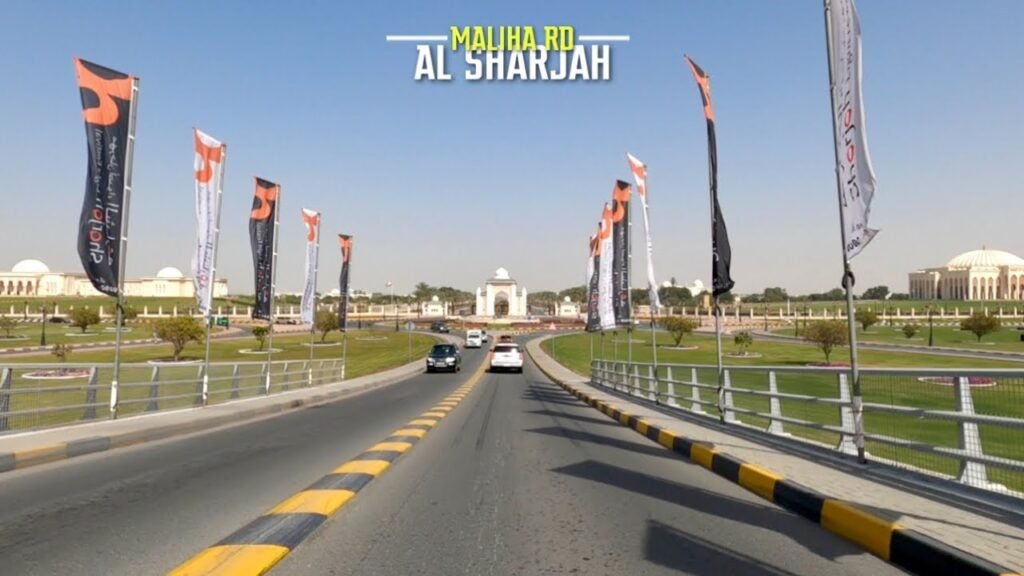
Sharjah’s Maliha Road stands as a crucial arterial route connecting the emirate to key destinations within the UAE. Stretching from the heart of Sharjah towards the eastern region, this well-developed highway plays a pivotal role in linking urban centers, residential areas, and major commercial zones. As Sharjah continues to expand its infrastructure, Maliha Road has gained prominence as a strategic corridor for transportation, trade, and tourism.
A Vital Transportation Link
Maliha Road, officially known as E102, serves as a primary route connecting Sharjah with Dubai, Fujairah, and other parts of the country. The road facilitates smooth traffic movement, reducing travel time for commuters heading towards the eastern coast and the mountainous regions of the UAE. Given its direct access to major highways, such as Emirates Road (E611) and Sheikh Mohammed bin Zayed Road (E311), Maliha Road plays a significant role in streamlining intercity travel.
The well-maintained highway has undergone extensive upgrades over the years, including expanded lanes, improved interchanges, and dedicated service roads to accommodate growing traffic demands. These developments have transformed the road into a high-speed, efficient network catering to both personal and commercial transportation.

Economic and Commercial Significance
Maliha Road is not only a key commuter route but also a vital commercial hub. It connects several industrial areas, logistics centers, and business zones, contributing to Sharjah’s economic growth. The road is home to numerous warehouses, factories, and retail outlets, making it an important link for trade and supply chain operations.
One of the standout locations along Maliha Road is the Sharjah Industrial Area, which houses a wide range of businesses, from manufacturing units to automotive workshops. The strategic positioning of this road allows businesses to benefit from seamless transportation of goods between Sharjah, Dubai, and other emirates.

Additionally, the road plays an essential role in supporting real estate development, with new residential communities and commercial complexes emerging along its route. With its accessibility and connectivity, Maliha Road has attracted significant investments in housing, retail, and office spaces, making it a sought-after location for businesses and residents alike.
A Thriving Residential Corridor
Over the years, Maliha Road has witnessed the development of numerous residential communities, catering to a growing population seeking affordable yet well-connected living spaces. Several modern housing projects have emerged along the road, offering a blend of villas, townhouses, and apartments with easy access to essential amenities.
Areas such as Al Suyoh, Al Madam, and Al Tai are rapidly evolving into prominent residential hubs, thanks to their proximity to major city centers and seamless connectivity via Maliha Road. The increasing demand for housing in these areas has also led to the development of schools, healthcare facilities, shopping centers, and recreational spaces, enhancing the overall livability of the region.
Tourism and Recreational Attractions
Beyond its economic and residential significance, Maliha Road also serves as a gateway to some of the UAE’s most stunning natural attractions. The road leads to the breathtaking landscapes of Maliha, an archaeological and eco-tourism destination known for its rugged mountains, desert terrain, and rich historical heritage.
Maliha Archaeological Centre, located along the route, offers visitors a glimpse into the region’s prehistoric past, with ancient fossils, rock formations, and archaeological discoveries dating back thousands of years. Adventure enthusiasts frequent the area for activities such as desert safaris, dune bashing, and off-road driving, making Maliha Road a key route for tourism in the emirate.
Additionally, the road provides access to the scenic Hajjar Mountains and the east coast, where visitors can explore destinations like Khor Fakkan and Fujairah. These regions, known for their pristine beaches and mountainous landscapes, attract tourists and weekend travelers looking for a retreat from the city’s hustle and bustle.
Future Developments and Expansion Plans
With Sharjah’s rapid urbanization, Maliha Road is poised for further expansion and modernization. Authorities continue to implement road widening projects, new interchanges, and smart traffic management systems to enhance safety and efficiency. Plans for improved public transportation options, including bus routes and metro extensions, are also being explored to accommodate the increasing number of commuters using the road daily.
Infrastructure projects along Maliha Road reflect Sharjah’s commitment to sustainable urban development. Initiatives aimed at reducing traffic congestion, improving road safety, and incorporating eco-friendly transportation solutions are expected to further enhance the road’s functionality in the coming years.
Conclusion
Sharjah’s Maliha Road is more than just a highway—it is a vital lifeline connecting the emirate to the rest of the UAE. From facilitating seamless transportation and economic activity to fostering real estate development and tourism, the road plays a central role in Sharjah’s growth and modernization. As infrastructure enhancements continue, Maliha Road is set to become an even more significant corridor, shaping the future of urban mobility and economic progress in the region.
Do follow Uae stories for more Updates
National Media Council Dubai: Shaping the Future of Media in the UAE