
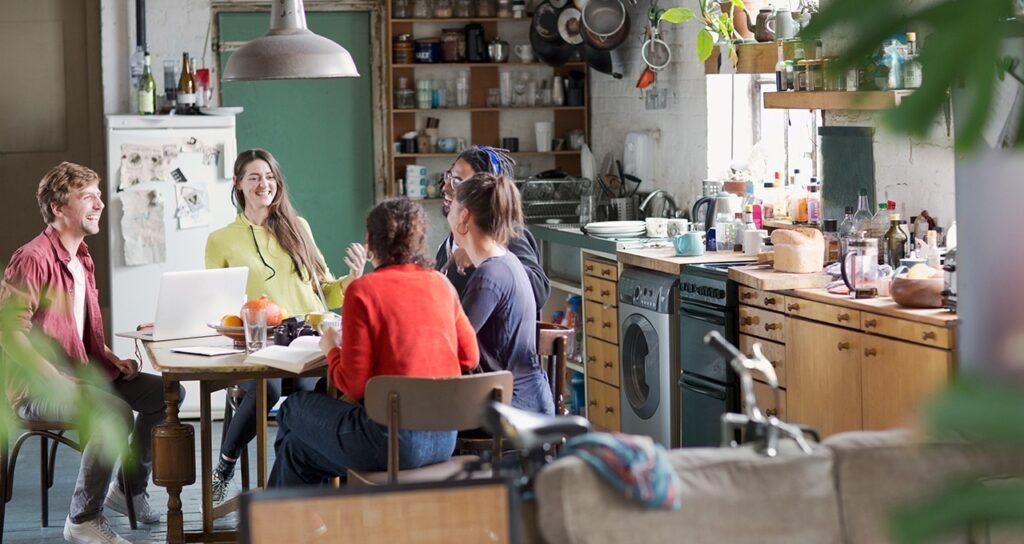
Shared housing and co-living spaces UAE are reshaping the way residents experience urban life by combining affordability, flexibility, and community engagement. Rising housing costs, urbanization, and the influx of young professionals have fueled demand for innovative living arrangements that go beyond traditional rental apartments. Co-living spaces emphasize shared amenities, communal experiences, and convenience, offering residents more than just a place to stay—they provide a lifestyle built around collaboration, comfort, and connection.
Government Support and Urban Planning
The UAE government encourages innovative housing solutions as part of broader urban planning strategies. Policies supporting flexible living, affordable housing, and sustainable urban development have created a favorable environment for shared housing and co-living concepts. By integrating co-living models into residential planning, authorities aim to enhance urban density management, optimize infrastructure, and create vibrant, interactive communities that cater to modern lifestyles.
Co-Living: Flexibility and Affordability
Co-living spaces offer flexible lease terms, shared resources, and lower costs compared to traditional apartments. Young professionals, expatriates, and students find these arrangements convenient, allowing them to live in prime locations without the financial burden of long-term contracts. Shared utilities, communal kitchens, and social spaces reduce expenses while fostering collaboration and community interaction, making co-living an attractive solution for modern urban residents in the UAE.

Shared Amenities and Community Spaces
One of the key features of co-living is the emphasis on shared amenities. Lounges, coworking areas, fitness centers, recreational rooms, and dining spaces encourage interaction among residents. By combining private living quarters with communal areas, co-living spaces create a balance between personal privacy and social engagement. Residents benefit from networking opportunities, cultural exchange, and community-building activities, enhancing the overall living experience.
Integration of Technology
Technology plays a central role in modern co-living spaces. Smart home systems, app-based access controls, online booking for shared facilities, and community management platforms streamline operations and improve convenience. Residents can manage payments, maintenance requests, and social interactions digitally, creating a seamless and efficient living experience. Tech integration also enhances security, connectivity, and flexibility, aligning with the UAE’s smart city initiatives.

Catering to Expatriates and Young Professionals
The UAE hosts a significant expatriate population, many of whom prefer co-living due to its flexibility and affordability. Young professionals and students often seek housing near business districts, universities, and entertainment hubs. Co-living arrangements provide a turnkey solution with ready-to-move-in facilities, networking opportunities, and supportive communities, meeting the lifestyle and practical needs of this demographic.
Design and Comfort in Co-Living Spaces
Modern shared housing prioritizes design, comfort, and functionality. Private bedrooms are complemented by stylish common areas, ergonomic furniture, and aesthetically pleasing interiors. Developers focus on creating inviting environments that enhance well-being and encourage socialization. Thoughtful layouts, natural lighting, and communal outdoor spaces contribute to a comfortable, contemporary, and cohesive living experience.
Sustainability and Eco-Friendly Practices
Sustainability is increasingly integrated into co-living projects in the UAE. Shared utilities reduce energy consumption, and eco-friendly designs, waste management systems, and water-saving measures minimize environmental impact. By incorporating green technologies and promoting responsible living, co-living spaces align with national sustainability goals while offering residents a conscious and eco-friendly lifestyle.
Social Interaction and Community Building
A defining feature of co-living is fostering social connections. Organized events, workshops, fitness sessions, and cultural activities encourage residents to interact, collaborate, and build relationships. This sense of community improves mental well-being, reduces isolation, and creates a vibrant, supportive environment. For expatriates and newcomers, co-living spaces provide an opportunity to integrate into local culture and form meaningful social networks.
Economic and Investment Potential
Shared housing and co-living spaces present significant economic opportunities. Investors and developers benefit from high occupancy rates, flexible rental structures, and scalable models. Co-living addresses gaps in urban housing, particularly for young professionals and transient residents, providing a profitable alternative to traditional real estate while contributing to the city’s social and economic vitality.
Urban Integration and Prime Locations
Co-living developments are often strategically located near business districts, transportation hubs, and lifestyle centers. This proximity ensures convenience, reduces commute times, and increases accessibility to entertainment, education, and healthcare facilities. By integrating shared housing into the urban fabric, cities can accommodate growing populations while enhancing urban vibrancy and reducing housing stress.
Health and Wellness Amenities
Health and wellness are central to co-living spaces. Fitness centers, yoga rooms, wellness lounges, and outdoor recreational areas promote active lifestyles. Communal spaces encourage engagement in fitness and social activities, contributing to both physical and mental well-being. Developers in the UAE recognize that holistic amenities enhance resident satisfaction and differentiate their projects in a competitive housing market.
Cultural and Entertainment Engagement
Co-living spaces often include entertainment and cultural amenities, such as screening rooms, game zones, libraries, and art spaces. These facilities encourage creative expression, leisure, and social interaction among residents. By incorporating cultural and entertainment elements, co-living communities cater to diverse interests and create enriching, vibrant urban experiences.
Security and Privacy Considerations
While shared living emphasizes community, privacy and security remain priorities. Access control systems, CCTV surveillance, secure entry points, and well-designed private living spaces ensure safety and peace of mind for residents. Balanced design ensures residents enjoy private comfort without compromising the collaborative and social aspects of co-living.
Flexible Lease Terms and Short-Term Solutions
Co-living in the UAE provides flexibility that traditional housing lacks. Short-term leases, fully furnished units, and all-inclusive services cater to transient populations, including professionals on assignments, students, and entrepreneurs. Flexibility reduces relocation stress, increases housing accessibility, and aligns with the dynamic lifestyles of urban residents.
Technology-Driven Community Management
Digital platforms enhance the management of shared housing communities. Residents can book facilities, join social events, communicate with neighbors, and manage payments through apps and online portals. Technology also supports maintenance requests, energy monitoring, and security management, creating a responsive and efficient living environment that appeals to tech-savvy residents.
Environmental and Social Benefits
Co-living reduces individual resource consumption through shared utilities, promotes sustainable urban growth, and minimizes the ecological footprint of residential living. Socially, it builds diverse, inclusive, and culturally rich communities, encouraging interaction among people from different backgrounds and creating supportive urban networks.

Future of Shared Housing in UAE
The future of shared housing and co-living in the UAE is promising. Rising demand from young professionals, expatriates, and students will drive expansion across cities. Innovative designs, smart technologies, sustainability initiatives, and enhanced amenities will make co-living a preferred urban housing solution. Flexible, affordable, and socially enriching models are likely to become integral components of the UAE’s housing strategy.
Market Trends and Opportunities
Developers are exploring hybrid models that combine co-living with coworking spaces, wellness facilities, and retail amenities. The convergence of housing, work, and leisure creates multi-functional urban communities. Investors recognize the potential for high returns, scalability, and alignment with modern lifestyle trends, making shared housing a significant opportunity within the UAE’s real estate market.
Conclusion: Building Connected and Flexible Urban Communities
Shared housing and co-living spaces UAE are redefining urban living by offering flexible, affordable, and socially engaging alternatives to traditional housing. By integrating wellness, entertainment, sustainability, and smart technology, these developments provide residents with an enhanced quality of life while fostering community and connectivity. As demand grows, co-living is set to play a central role in the UAE’s urban landscape, creating vibrant, inclusive, and modern residential environments that cater to the dynamic needs of city dwellers.
Do follow UAE Stories on Instagram
Top 8 Fitness Communities to Join in Dubai