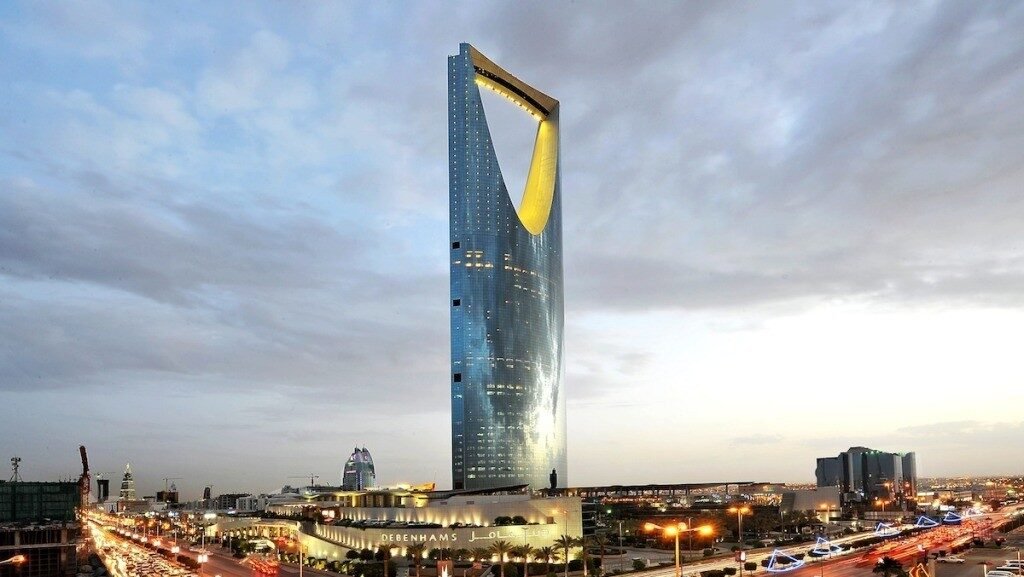
Saudi Arabia has taken a major step towards opening its real estate sector to the world. In a landmark decision, the Saudi cabinet has officially approved a new Saudi property ownership law for foreigners, allowing non-Saudi citizens to own property in the Kingdom. This law will come into effect starting January 2026.
This move is seen as a significant part of Saudi Arabia’s broader Vision 2030 plan, which aims to diversify the economy, attract foreign investments, and reduce dependency on oil revenues.
A new era for Saudi real estate
The approval of the Saudi property ownership law for foreigners represents a major shift in Saudi policy. Historically, property ownership in the Kingdom has been tightly controlled, with only Saudi citizens allowed to own land and real estate in most areas.

While there were limited exceptions for some foreign investors and companies in specific economic zones, the new law paves the way for a much larger and more inclusive real estate market.
According to the Saudi Press Agency (SPA), the Real Estate General Authority will be responsible for proposing specific areas where non-Saudis can own property. This includes setting clear guidelines on types of properties, zoning, and legal requirements.

Why now?
Saudi Arabia has been working hard to transform its image and economy on the global stage. Under Crown Prince Mohammed bin Salman’s Vision 2030 plan, the Kingdom aims to make itself an attractive destination for global businesses and tourists.
Opening the real estate sector to foreigners is expected to:
- Increase foreign direct investment (FDI).
- Create new job opportunities for Saudis.
- Boost demand for housing, commercial spaces, and hospitality projects.
- Develop new urban areas, including futuristic projects like NEOM and The Line.
With mega-projects already underway, this new law is seen as a strategic tool to sustain long-term growth and modernization.
Key points of the new law
The Saudi property ownership law for foreigners will come into force in January 2026. Here are the major highlights:
- Non-Saudis can own property: Foreign individuals and companies can own real estate, including residential, commercial, and certain types of agricultural land, depending on the area.
- Special zones to be defined: The Real Estate General Authority will specify which areas are open to foreign ownership. It is likely that high-profile new developments and urban centers will be prioritized.
- Restrictions in Holy Cities: Makkah and Madinah, considered sacred cities in Islam, will have special restrictions. Foreigners may face tighter rules or may not be allowed to own property in certain parts of these cities.
- Transparent registration process: The government promises a clear and modern system for property registration, ensuring transparency and legal protection for buyers.
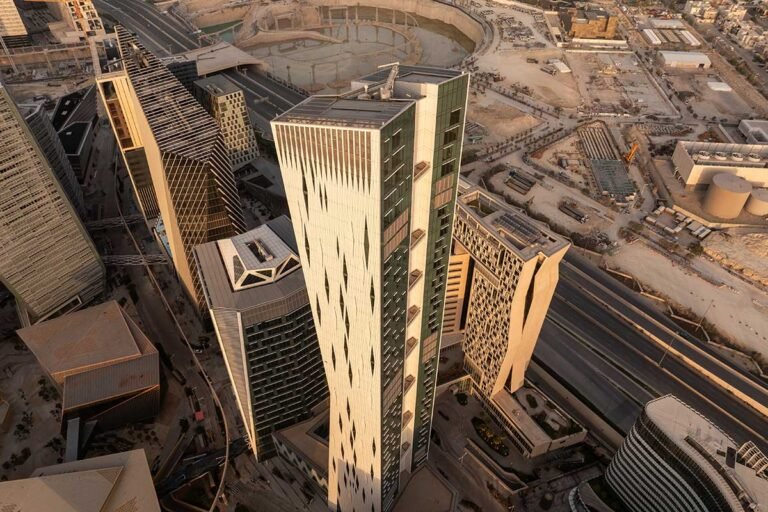
Holy Cities: Special considerations
The new law has sparked great interest, especially regarding Makkah and Madinah. These two cities hold profound religious significance and attract millions of pilgrims every year.
Under the new regulations, non-Saudis will face stricter conditions when it comes to property ownership in these cities. The exact details will be announced later, but initial reports suggest that:
- Foreigners may only be allowed to lease long-term rather than own outright in certain zones.
- Specific neighborhoods or areas near the holy mosques will remain restricted to Saudi nationals only.
- Ownership by Islamic financial institutions and waqf organizations (charitable endowments) may continue to be permitted under strict supervision.
This approach balances the country’s economic goals with respect for religious traditions and local sensitivities.
Expected impact on the real estate market
The introduction of the Saudi property ownership law for foreigners is expected to dramatically reshape the real estate landscape in the Kingdom. Experts believe this law will:
Attract foreign investors
Many investors see Saudi Arabia as a growing market with massive potential. By allowing foreign ownership, the government is signaling stability and openness, which are key factors for attracting long-term capital.
Investors from Gulf Cooperation Council (GCC) countries, Europe, Asia, and North America are expected to show strong interest, particularly in major cities like Riyadh, Jeddah, and the planned futuristic zones.
Increase property values
With new buyers entering the market, property demand is expected to rise, pushing property values upward in targeted areas. This could benefit existing property owners and stimulate new development projects.
Boost tourism and hospitality sectors
Opening real estate to foreigners can encourage more expatriates to settle in Saudi Arabia and invest in vacation homes, hotels, and rental properties. It could also lead to the growth of serviced apartments and luxury housing catered to foreign residents.
Support Vision 2030 goals
The law aligns with Saudi Arabia’s Vision 2030 goals of building a more vibrant society, a thriving economy, and an ambitious nation. Diversifying the real estate market is a major part of creating new economic opportunities and enhancing urban lifestyles.
Challenges and concerns
Despite the excitement, there are also concerns among some Saudi citizens. Common concerns include:
- Housing affordability: As foreign investors enter the market, some worry that prices may rise too quickly, making it harder for local citizens to buy homes.
- Cultural impact: Increased foreign ownership could potentially impact the traditional character and social fabric of certain neighborhoods.
- Regulatory enforcement: Ensuring that foreign buyers comply with all regulations and do not misuse the law will require strong oversight and transparent legal processes.
The government has promised to address these issues through careful planning and strict regulation. By balancing openness with protection of national interests, Saudi Arabia hopes to create a fair and attractive real estate market.
Steps for foreigners interested in buying property
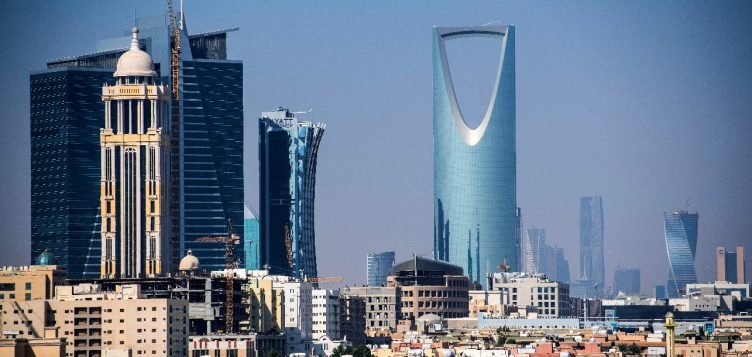
While the law officially starts in January 2026, potential buyers can begin preparing now. Here’s a general roadmap:
- Understand the law and regulations: Study the official guidelines from the Real Estate General Authority as they are released.
- Choose the right location: Decide which city or area matches your investment goals, keeping in mind the areas that will be open to foreign ownership.
- Engage local experts: Work with licensed real estate agents, lawyers, and consultants who understand the Saudi market and legal system.
- Secure financing: Check financing options and understand Saudi mortgage regulations for foreigners.
- Register property properly: Make sure all documentation is filed correctly to avoid legal issues later.
Global comparisons
Saudi Arabia is not alone in allowing foreigners to buy property as a strategy to boost investment. Countries like the United Arab Emirates, Singapore, and Portugal have similar schemes:
- UAE: Dubai allows full foreign ownership in designated “freehold” areas, attracting significant investment.
- Portugal: The Golden Visa program offers residency to foreigners who invest in real estate.
- Singapore: While restrictions exist, foreigners can buy certain types of properties with government approval.
Saudi Arabia’s law is seen as part of this global trend but with unique cultural and religious considerations, especially around the Holy Cities.
A historic moment
The Saudi property ownership law for foreigners marks a historic turning point in the Kingdom’s economic and social development. It signals a strong commitment to modernization, global integration, and economic diversification.
By opening doors to foreign investors and residents, Saudi Arabia is inviting the world to be part of its ambitious future. The coming years will reveal how this bold move transforms the country’s cities and economy.
Conclusion
With the law set to take effect in January 2026, Saudi Arabia is giving foreign investors time to prepare and understand the new opportunities. The focus on transparency, modern legal frameworks, and clear zoning guidelines shows the Kingdom’s serious approach to attracting responsible investment.
At the same time, the strict rules for Makkah and Madinah demonstrate respect for the country’s religious and cultural heritage.
For those looking to be part of the Saudi story — whether as an investor, entrepreneur, or future resident — this law opens exciting new possibilities.
As the details continue to unfold, one thing is clear: Saudi Arabia is ready to embrace a more open, global future while staying true to its unique identity.
Follow us on Instagram: UAE STORIES
Read More: Why Friendships Don’t Last Long in Dubai