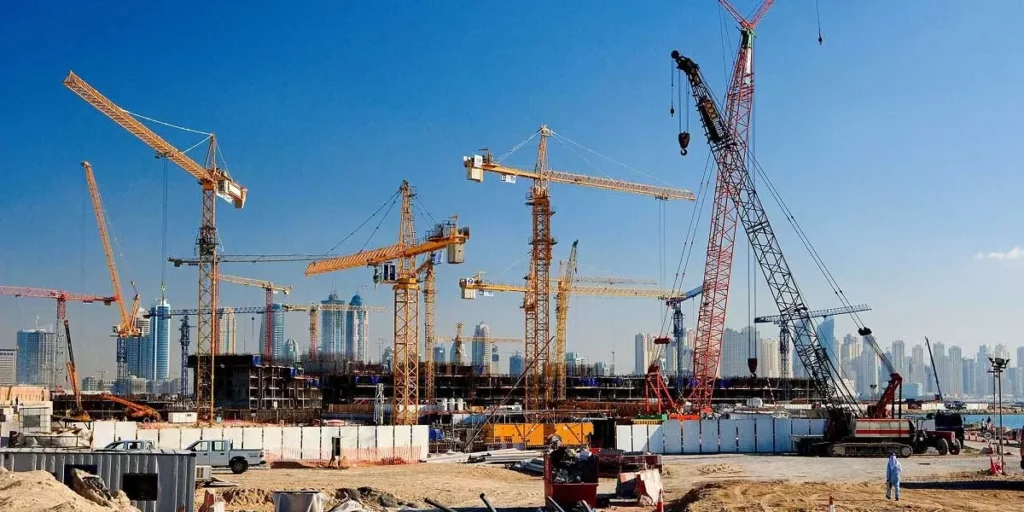
Saudi Arabia construction output has reached a significant milestone, hitting $148 billion in the first half of 2024. This represents a robust 4.6% increase compared to the same period in 2023, signaling strong momentum in the Kingdom’s economic diversification efforts and its ambitious Vision 2030 agenda.
This growth reflects not only the resilience of the construction sector but also Saudi Arabia’s determination to reduce its dependence on oil revenues by investing heavily in infrastructure, tourism, and urban development. In this article, we explore the key drivers behind this growth, major projects fueling the surge, challenges faced by the sector, and what this means for investors and the local workforce.
Vision 2030: The driving force behind Saudi Arabia construction output
The surge in Saudi Arabia construction output is deeply rooted in the country’s Vision 2030 initiative, a comprehensive reform plan aimed at transforming the nation’s economy and society. One of the key pillars of Vision 2030 is the development of mega projects that diversify economic activities and create new job opportunities.

Major developments like NEOM, The Red Sea Project, and Qiddiya are at the forefront of this transformation. These projects are designed not only to attract tourists but also to position Saudi Arabia as a global investment hub. They require massive infrastructure, hospitality, residential, and commercial investments, all of which contribute directly to the rising construction output.
NEOM: A futuristic mega city
NEOM, a $500 billion mega project, is one of the most ambitious developments in the world. Located in the northwestern part of Saudi Arabia, NEOM aims to redefine urban living by integrating advanced technology, renewable energy, and sustainable design.

In the first half of 2024, significant progress was reported on The Line, a 170-kilometer linear city within NEOM. Contractors have accelerated work on foundational infrastructure and core modules, which alone account for billions of dollars in construction spending.
The Red Sea Project and Qiddiya
The Red Sea Project focuses on sustainable luxury tourism, with plans for over 50 hotels and 1,000 residential properties upon completion. In H1 2024, several resorts have entered advanced stages of construction, contributing to the increased output.
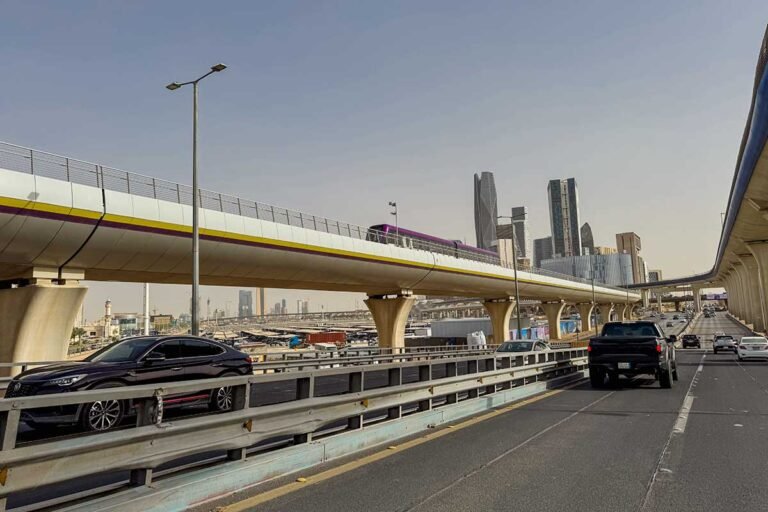
Qiddiya, the entertainment, sports, and cultural destination near Riyadh, has also seen large-scale investments in theme parks, sports arenas, and cultural venues. This aligns with Saudi Arabia’s goal of becoming a global tourist and entertainment hotspot.
Government spending and public-private partnerships boost growth
Government spending continues to be a major driver of Saudi Arabia construction output. In the 2024 budget, the government allocated significant funds toward infrastructure, housing, and mega projects. The Public Investment Fund (PIF) plays a crucial role in financing and overseeing these developments.
Additionally, the Kingdom is actively encouraging public-private partnerships (PPPs). Such partnerships allow private companies to participate in building and operating critical infrastructure, from roads and airports to hospitals and schools. By involving private investors, Saudi Arabia not only diversifies funding sources but also brings in global expertise and innovative approaches.
Residential and commercial construction on the rise
While mega projects grab headlines, residential and commercial construction sectors are also growing rapidly. In Riyadh and Jeddah, demand for high-quality housing has increased due to population growth and urban migration.
Several new residential communities have been launched, offering modern housing solutions for Saudi families and expatriates. Commercial developments, including office complexes, retail centers, and industrial zones, have similarly expanded, reflecting the broader economic shift towards non-oil sectors.
Infrastructure modernization: Roads, airports, and ports
Saudi Arabia construction output is also driven by extensive investments in infrastructure modernization. The Kingdom aims to become a regional logistics hub, requiring significant upgrades to roads, airports, seaports, and railway networks.
Key highlights include:
- Expansion of King Abdulaziz International Airport in Jeddah to handle more international tourists.
- Development of Riyadh Metro, a multibillion-dollar project aimed at reducing traffic congestion and enhancing public transport.
- Major upgrades to the country’s road networks connecting cities and industrial zones.
Such investments not only support economic diversification but also improve the quality of life for residents and visitors.
Technological advancements in construction
Technology is playing a central role in driving Saudi Arabia construction output higher. The Kingdom has embraced modern construction methods, such as modular construction, 3D printing, and advanced robotics.
These technologies reduce project timelines, improve safety, and ensure higher-quality outputs. For example, NEOM heavily utilizes modular building techniques to speed up development while maintaining strict environmental standards.
Moreover, smart city concepts are integrated into most new developments, ensuring efficient energy use, intelligent waste management, and enhanced security systems.
Sustainability and green building practices
As part of Vision 2030, sustainability has become a core focus in the construction sector. Many projects incorporate green building standards such as LEED certification, renewable energy sources, and water conservation systems.
The Red Sea Project, for instance, aims to achieve a zero-carbon footprint by using only renewable energy sources. Similarly, NEOM plans to operate entirely on renewable energy, reflecting Saudi Arabia’s commitment to environmental stewardship.
These practices not only attract environmentally conscious investors but also align the country with global efforts to combat climate change.
Workforce development and Saudization
The surge in Saudi Arabia construction output has created numerous job opportunities for both Saudis and expatriates. However, the government continues to push for “Saudization,” a policy aimed at increasing Saudi participation in the workforce.
Training programs and vocational education initiatives have been expanded to equip Saudi nationals with the skills required for various construction roles, from engineering and project management to on-site labor and maintenance.
Additionally, improved labor regulations and better working conditions are attracting more local talent to the sector.
Challenges facing the construction sector
Despite impressive growth, the Saudi construction sector faces several challenges:
- Cost overruns and delays: Mega projects often experience unforeseen cost increases and timeline extensions due to their complexity.
- Supply chain disruptions: Global material shortages and shipping delays can impact project schedules and budgets.
- Regulatory hurdles: Navigating new regulations and obtaining necessary permits can slow down development.
- Environmental concerns: Balancing rapid development with environmental protection remains a delicate task.
Addressing these challenges requires continuous innovation, effective project management, and strategic planning.
Investment opportunities for local and global players

The booming Saudi Arabia construction output presents vast opportunities for investors and contractors worldwide. The Kingdom’s commitment to large-scale infrastructure and urban development makes it an attractive destination for:
- Construction companies and contractors.
- Engineering and architectural firms.
- Suppliers of building materials and construction technology.
- Real estate developers and property management firms.
Additionally, Saudi Arabia offers various incentives for foreign investors, including tax breaks, simplified business registration, and access to a rapidly expanding market.
Positive economic ripple effects
The growth in construction output has a positive ripple effect on other sectors of the Saudi economy. It stimulates demand for materials such as cement, steel, and aluminum, boosting the manufacturing sector. Logistics and transportation industries benefit from the need to move large volumes of equipment and materials across the Kingdom.
Moreover, the rise in new hotels, entertainment venues, and residential complexes supports the tourism, hospitality, and retail sectors, creating a diversified and resilient economic ecosystem.
Future outlook: Strong momentum expected
Looking ahead, Saudi Arabia construction output is expected to maintain strong momentum. Analysts forecast continued growth in the second half of 2024 and into 2025, driven by ongoing mega projects and additional infrastructure investments.
Key factors supporting this optimistic outlook include:
- Continued government support and Vision 2030 funding.
- High oil revenues, which provide the financial backbone for public spending.
- Increased private sector participation through PPPs.
- Growing foreign direct investment inflows.
The Kingdom’s strategic vision, combined with its ambitious construction plans, positions it as a global leader in large-scale urban development.
Conclusion: A transformative era for Saudi Arabia
Saudi Arabia construction output hitting $148 billion in the first half of 2024 marks more than just economic growth; it symbolizes a nation undergoing a profound transformation. Through massive investments in infrastructure, tourism, and urban development, the Kingdom is laying the foundation for a diversified and sustainable future.
While challenges remain, the sector’s resilience and the government’s proactive approach provide strong reasons for optimism. For investors, contractors, and the local workforce, the booming construction industry offers unparalleled opportunities to be part of Saudi Arabia’s historic journey toward Vision 2030.
As the Kingdom continues to build its cities of the future, Saudi Arabia construction output will remain a vital indicator of its progress and ambition on the global stage.
Follow us on instagram: UAE STORIES
Read More: Max-Hervé George AI Pivot: SWI Group’s Bold Move to AI and Data Infrastructure