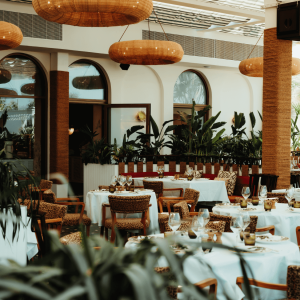
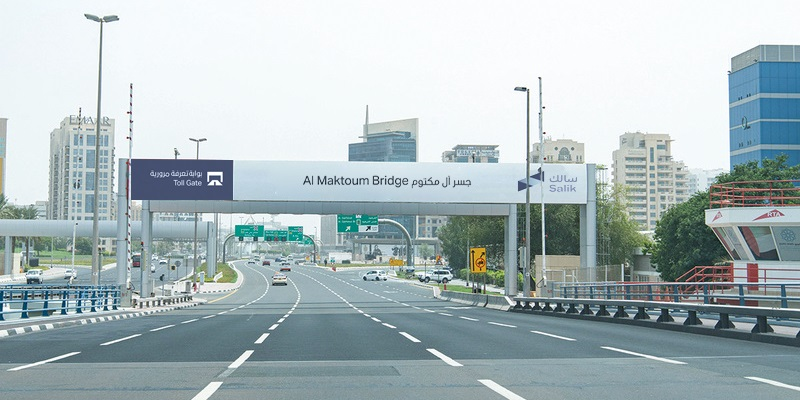
Ramadan is almost here, and with it comes a noticeable shift in the rhythm of life across Dubai. Working hours are reduced, school timings change, and road traffic patterns look very different from the rest of the year. If you’re a daily commuter, one question likely tops your list: how much will Salik cost during Ramadan 2026?
Here’s a clear breakdown of what drivers can expect once Ramadan begins.
Salik Ramadan 2026 Toll Rates Explained
According to the official Salik schedule, toll charges will follow a revised structure starting from the first day of Ramadan 2026.

Monday to Saturday
Peak hours: 9am to 5pm – Dh6
Low-peak hours: 7am to 9am and 5pm to 2am – Dh4
Off-peak hours: 2am to 7am – No charge
This means if you regularly drive during mid-morning or afternoon hours, you will pay Dh6 per gate crossing. However, early risers and late-night drivers can benefit from either reduced tolls or completely free travel between 2am and 7am.

Sundays
Peak hours: 9am to 5pm – Dh4
Low-peak hours: 7am to 9am and 5pm to 2am – Dh4
Off-peak hours: 2am to 7am – No charge
Unlike the rest of the week, Sundays offer a lower peak rate of Dh4 instead of Dh6, making it slightly more affordable for weekend drivers.
For those planning errands, family visits, or iftar gatherings, adjusting travel times could make a noticeable difference in your monthly Salik expenses.
Why Do Salik Rates Change During Ramadan?
Ramadan brings a unique shift in daily routines across the UAE. Offices operate on reduced hours, many employees leave earlier in the day, and evenings become busier as families head out for iftar, prayers, and social visits.
Because of this change in traffic flow, Salik adjusts its pricing structure to better manage congestion. The aim is simple: keep traffic moving smoothly during peak daytime hours while easing the burden on motorists during quieter periods.
The free toll window between 2am and 7am remains one of the biggest advantages for those who can plan their journeys accordingly. Whether it’s airport drop-offs, late-night returns, or early morning commutes, this window offers a welcome cost-saving opportunity.
How Much Could You Spend in Ramadan?
The actual amount you’ll pay depends entirely on your driving habits.
For example, if you cross one Salik gate twice daily during peak hours from Monday to Saturday, you could pay Dh12 per day. Multiply that over a working month, and the total adds up quickly.
On the other hand, if you travel mostly during low-peak hours, you’ll pay Dh4 per crossing. If your schedule allows you to drive during off-peak hours, you won’t pay anything at all.
Ramadan often encourages people to reorganise their day. If flexible working hours apply to you, adjusting your commute slightly could result in noticeable savings.
Paid Public Parking During Ramadan 2026
Salik is not the only transport-related change during Ramadan. Paid public parking timings in Dubai are also adjusted to reflect peak and off-peak demand.
While official timings for 2026 are yet to be formally confirmed, the general structure during Ramadan includes peak and off-peak parking tariffs. During peak hours, parking costs Dh6, while off-peak rates remain unchanged. Multi-storey parking buildings are not affected by these adjustments.
Just like toll pricing, the revised parking structure is designed to accommodate changes in traffic and movement across the city. It encourages smoother vehicle turnover during busier periods while keeping costs stable at other times.
If you frequently park in commercial or busy residential areas, it’s worth checking the updated signage once Ramadan begins.
Reduced Working Hours Across the UAE
One of the biggest reasons behind the shift in traffic patterns is the reduction in working hours during Ramadan.
Both public and private sector employees across the UAE operate on shorter daily schedules. Typically, working hours are reduced by two hours per day. Schools also implement adjusted timetables.
This means roads are often busier earlier in the day compared to usual months, while late evenings see increased activity as people head out for iftar and night prayers.
Understanding this pattern can help drivers better plan their daily routes and avoid unnecessary congestion.
What Is Ramadan?
Ramadan is the ninth month of the Islamic calendar and holds deep spiritual significance for Muslims worldwide. During this month, Muslims fast from sunrise to sunset, refraining from food, drink, and smoking throughout daylight hours.
The month commemorates the time when the Qur’an was first revealed to the Prophet Mohammed (PBUH). It is a period dedicated to prayer, reflection, charity, and spiritual growth.
In addition to fasting, Muslims perform special nightly prayers known as tarawih. Each evening, a portion of the Qur’an is recited, and by the end of the month, many aim to have completed the entire holy book.
Fasting during Ramadan is one of the five pillars of Islam, which form the foundation of the faith. Beyond religious observance, the month encourages patience, compassion, and community connection.
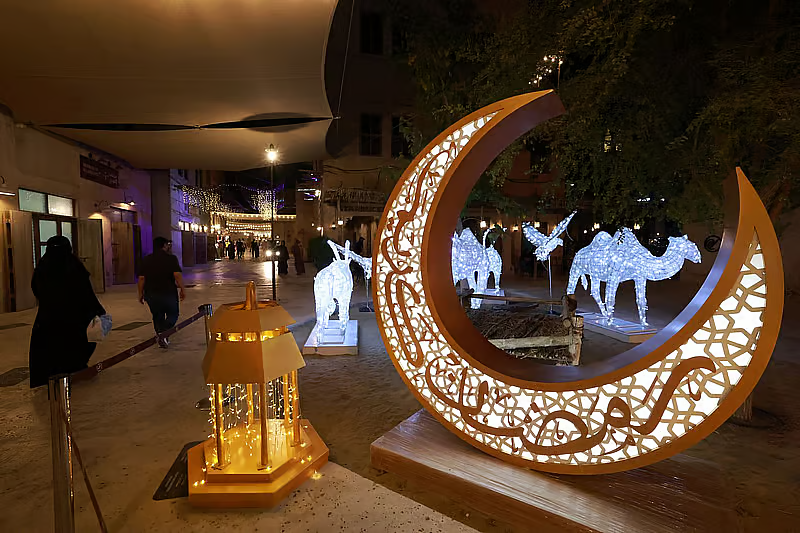
Across the UAE, Ramadan is marked by a unique atmosphere. The pace of life slows during the day, while evenings become vibrant and social. Restaurants prepare special iftar menus, mosques fill with worshippers, and families gather after sunset.
Planning Your Commute This Ramadan
With adjusted toll rates, parking changes, and shorter working hours, Ramadan is a good time to rethink your daily travel routine.
If possible, try to:
Shift travel outside 9am to 5pm on weekdays
Take advantage of the free toll window between 2am and 7am
Plan weekend outings on Sundays for lower peak charges
Monitor official announcements for updated parking timings
Small adjustments can make a big difference, especially for frequent drivers crossing multiple Salik gates daily.
Ramadan is a time of reflection and recalibration in many aspects of life. For motorists in Dubai, it’s also a chance to plan smarter, drive more efficiently, and potentially save on toll costs.
As the holy month begins, keeping these timings in mind will help you stay prepared — and avoid surprises at the Salik gate.
Do follow UAE Stories on Instagram
Read Next – Abu Dhabi Confirms Ramadan 2026 Public Sector Working Hours