Recycling tech and waste-to-energy in UAE are reshaping the nation’s path toward sustainability. As the country continues to grow rapidly in population and industry, managing waste responsibly has become a national priority. Instead of relying on landfills, the UAE is investing heavily in smart recycling systems, advanced waste-to-energy (WTE) plants, and green technologies that transform trash into a valuable resource.
From Dubai to Sharjah and Abu Dhabi, innovative projects are making the UAE a global leader in sustainable waste management. These efforts not only protect the environment but also align with the UAE’s long-term vision for a greener, cleaner future.
Why Recycling Tech and Waste-to-Energy in UAE Matters
The UAE generates millions of tonnes of waste every year. In the past, much of this waste ended up in landfills, creating environmental and health challenges. By adopting recycling tech and waste-to-energy in UAE, the government is tackling key issues such as:

- Reducing landfill use to free up land and cut methane emissions.
- Producing renewable energy from waste that would otherwise be discarded.
- Encouraging circular economy models, where materials are reused, recycled, or converted into new products.
- Supporting Net Zero 2050 goals through sustainable waste management.
This dual approach—recycling what can be reused and converting non-recyclables into energy—makes the UAE’s model one of the most effective in the region.
Government Vision for Waste Management
The UAE government has made sustainability a cornerstone of its development plans. Under the UAE Vision 2021 and UAE Net Zero 2050 Strategy, waste management plays a crucial role. Several emirates have adopted their own strategies to achieve zero waste-to-landfill targets in the coming years.

- Dubai’s Clean Energy Strategy 2050 includes major waste-to-energy projects to supply electricity to thousands of homes.
- Sharjah’s Zero Waste to Landfill goal by 2025 is powered by recycling tech and advanced waste-to-energy facilities.
- Abu Dhabi’s initiatives focus on integrating artificial intelligence and automation into waste sorting and recycling processes.
These national and local strategies ensure that recycling tech and waste-to-energy in UAE remain at the center of environmental policies.
Landmark Waste-to-Energy Projects in UAE
1. Dubai Waste-to-Energy Plant
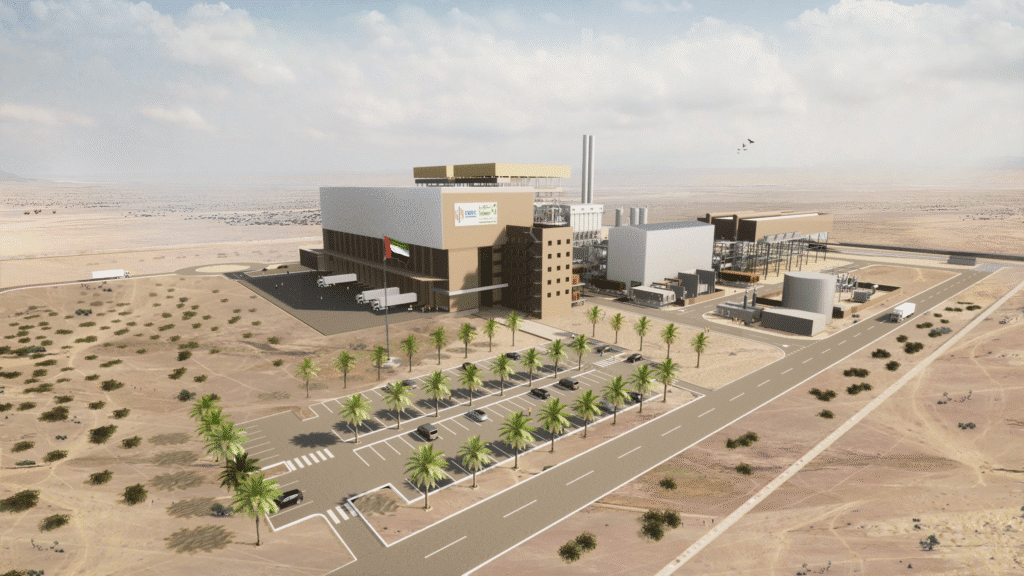
Dubai is building one of the world’s largest waste-to-energy plants. Located in Warsan, this facility will process up to 1.9 million tonnes of waste per year and generate electricity for around 120,000 homes. Once completed, it will significantly reduce Dubai’s reliance on landfills.
2. Sharjah Waste-to-Energy Facility
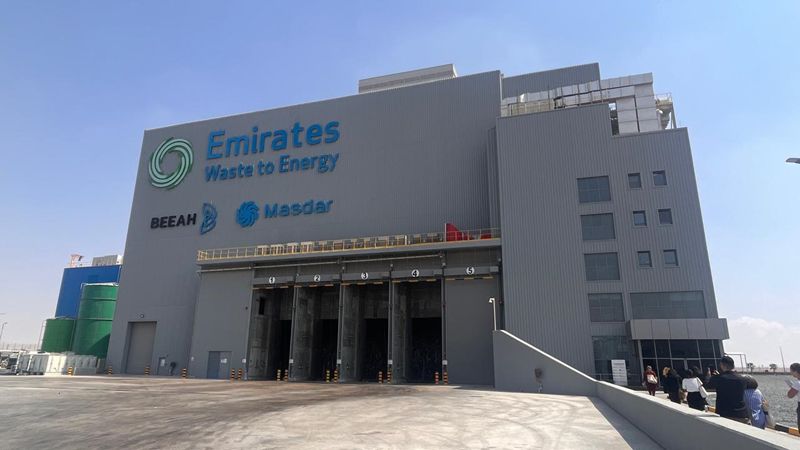
Sharjah, in partnership with Bee’ah and Masdar, launched the region’s first commercial-scale waste-to-energy plant in 2022. It processes 300,000 tonnes of waste annually, producing enough electricity to power 28,000 homes while helping Sharjah achieve its zero landfill goal.
3. Abu Dhabi’s Waste-to-Energy Projects
Abu Dhabi is developing multiple WTE projects to serve both residential and industrial sectors. These projects aim to reduce landfill dependence and integrate with the emirate’s renewable energy mix.
These facilities show how recycling tech and waste-to-energy in UAE are scaling up quickly to meet sustainability goals.
Role of Recycling Technology in UAE
While waste-to-energy handles non-recyclable waste, recycling tech focuses on maximizing resource recovery. The UAE has invested in advanced sorting systems, robotics, and AI-driven technologies to improve recycling efficiency.
Key recycling innovations include:
- Smart sorting centers that separate plastics, metals, and paper with high precision.
- Plastic recycling initiatives, turning bottles into new packaging or textiles.
- E-waste recycling plants, handling electronics and batteries to recover valuable materials.
- Construction waste recycling, converting rubble into materials for new building projects.
By adopting these technologies, the UAE is moving closer to creating a circular economy where waste becomes raw material for new industries.
Benefits of Recycling Tech and Waste-to-Energy in UAE
The adoption of recycling and WTE technologies brings multiple benefits to the country:
- Environmental Protection: Less landfill waste means lower greenhouse gas emissions.
- Energy Generation: Waste-to-energy facilities provide clean electricity to thousands of homes.
- Economic Growth: Recycling industries create jobs and new business opportunities.
- Innovation Leadership: The UAE sets a regional example in sustainable waste management.
- Resource Efficiency: Valuable materials are recovered, reducing the need for imports.
These benefits highlight how recycling tech and waste-to-energy in UAE are more than just waste solutions—they are vital to the nation’s economic and environmental future.
Challenges Ahead
Despite the progress, challenges remain:
- High initial costs of building advanced waste-to-energy plants.
- Public awareness gaps, as many residents are still unfamiliar with recycling practices.
- Technological upgrades required to scale recycling systems to meet population growth.
- Balancing recycling and energy generation, ensuring maximum resource efficiency.
Overcoming these challenges will require continued investment, education, and partnerships between the government, private companies, and communities.
The Future of Recycling and Waste-to-Energy in UAE
The next decade promises even bigger achievements in waste management across the UAE. Future trends include:
- Expansion of smart recycling bins in cities, encouraging residents to sort waste at the source.
- Artificial intelligence integration in recycling plants for faster and more accurate sorting.
- More WTE plants, including smaller, decentralized units to serve local communities.
- Carbon capture integration with waste-to-energy plants to further cut emissions.
- Circular economy partnerships with industries that reuse waste materials in production.
With Expo City Dubai and other sustainable projects leading the way, recycling tech and waste-to-energy in UAE are set to become key drivers of the nation’s green economy.
Conclusion
Recycling tech and waste-to-energy in UAE reflect the country’s commitment to building a sustainable future. By combining advanced recycling systems with large-scale WTE projects, the UAE is reducing landfill waste, generating clean power, and creating a circular economy that benefits both the environment and the economy.
With projects in Dubai, Sharjah, and Abu Dhabi already transforming waste management, and ambitious goals set under the UAE’s Net Zero 2050 plan, the country is well on its way to becoming a global leader in sustainable waste solutions.
As the UAE continues to innovate, recycling tech and waste-to-energy will remain central to its journey toward a greener tomorrow.
Do follow UAE Stories on Instagram
7 Celebrity Chef-Owned Restaurants In Dubai You Will Love