Ramadan is a month of deep spiritual significance for Muslims around the globe, and in the UAE, it is celebrated with a unique blend of tradition, community, and cultural richness. Understanding the Ramadan social norms in the UAE is essential for both residents and visitors who want to engage respectfully with the local customs. This article will explore the various aspects of Ramadan social norms, highlighting how they shape interactions, behaviors, and community life during this holy month.
Embracing the Spirit of Ramadan in the UAE
The holy month of Ramadan is not just about fasting; it’s a time for reflection, prayer, and community bonding. The UAE, known for its diverse population, sees Ramadan as an opportunity for cultural interchange. During this period, Muslims fast from dawn until sunset, refraining from eating, drinking, and other physical needs. However, this fasting extends beyond abstaining from food and drink; it’s also a time for heightened spirituality, self-control, and compassion towards others.
The social norms surrounding Ramadan in the UAE reflect this spirit of togetherness and understanding. Whether you are a local or a visitor, acknowledging these norms is vital to fostering goodwill and respect within the community.

Respecting Fasting Hours: A Key Social Norm
One of the most significant Ramadan social norms in the UAE is the respect for fasting hours. During the day, it is important to be mindful of those who are fasting. Eating, drinking, or smoking in public places during daylight hours is generally frowned upon. Many businesses, cafes, and restaurants may alter their hours or provide designated areas for non-fasters to eat discreetly.
Visitors to the UAE should embrace this aspect of Ramadan social norms by being considerate. If you find yourself in a public space, try to avoid eating or drinking visibly. This small gesture shows respect for those observing the fast and helps maintain the communal atmosphere of Ramadan.

Community Gatherings: Breaking Fast Together
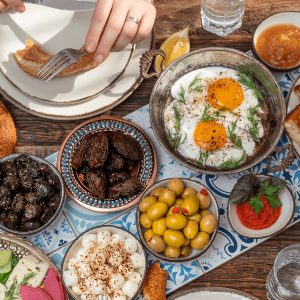
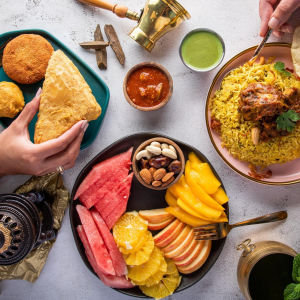
Iftar, the meal that breaks the fast at sunset, is a crucial part of Ramadan social norms in the UAE. It is a time for gathering with family and friends, sharing meals, and fostering connections. Many families invite neighbors and friends to join in the iftar meals, creating a sense of community and belonging.
During Ramadan, public iftar events are common, and many hotels and restaurants offer special iftar buffets. These gatherings provide an excellent opportunity for people from various backgrounds to come together, share stories, and enjoy traditional dishes. Engaging in these communal meals is a wonderful way to immerse yourself in the local culture and experience the warmth of Ramadan.
Acts of Charity: A Central Tenet of Ramadan
Generosity and compassion are at the heart of Ramadan social norms in the UAE. The act of giving, known as Zakat, is emphasized during this month. Many individuals and organizations in the UAE engage in charitable activities, ranging from providing food for the needy to organizing community events aimed at supporting those less fortunate.
Participating in charitable initiatives during Ramadan is not only encouraged but is also a fulfilling way to connect with the community. Whether you donate your time, resources, or simply share acts of kindness, embracing this aspect of Ramadan deepens your understanding of the month’s significance.

Cultural Sensitivity in Dress and Behavior
During Ramadan, social norms in the UAE also extend to dress codes and behavior. Many people opt for modest attire as a sign of respect for the month’s spiritual significance. While the UAE is known for its modern lifestyle, being mindful of your clothing choices during Ramadan can demonstrate cultural sensitivity.
In addition to dressing modestly, it’s also important to adopt a more subdued demeanor. Loud music and boisterous behavior may be seen as disrespectful during this solemn period. Instead, fostering a calm and respectful atmosphere enhances the spirit of Ramadan and encourages positive interactions.
Celebrating Eid al-Fitr: The Grand Conclusion of Ramadan
As Ramadan comes to an end, the celebration of Eid al-Fitr marks a joyous conclusion to the month of fasting. This day is filled with festivities, prayers, and community gatherings. Social norms during Eid are vibrant and celebratory, with people wearing new clothes, giving gifts, and enjoying lavish meals with family and friends.
For non-Muslims, participating in Eid celebrations is a wonderful way to witness the joy and unity that comes with the end of Ramadan. It’s a time when the community comes together, reinforcing the bonds of friendship and respect that have been nurtured throughout the month.
Conclusion: Embracing Ramadan Social Norms in the UAE
Understanding and embracing Ramadan social norms in the UAE is essential for anyone wishing to navigate this beautiful month with respect and appreciation. From being mindful of fasting hours to participating in community gatherings and acts of charity, each aspect of Ramadan enriches the cultural tapestry of the UAE.
Whether you are a longtime resident or a first-time visitor, immersing yourself in the traditions and customs of Ramadan will not only deepen your connection to the local culture but also foster goodwill and understanding among diverse communities. By respecting these social norms, you contribute to the spirit of unity and compassion that defines this holy month.
Do follow UAE Stories on Instagram
Read Next – How to Avoid Dehydration During Ramadan in the UAE: Essential Tips for Fasting