
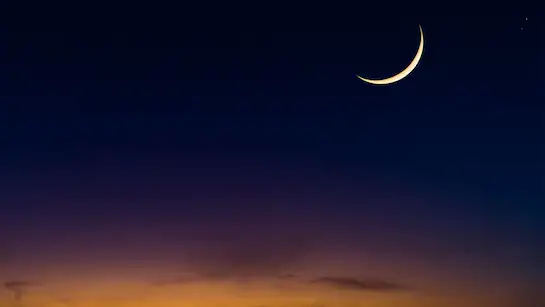
Ramadan 2026 UAE is just around the corner, and Muslims across the country are preparing for the holy month of fasting, prayer, and reflection. The exact start date of Ramadan is traditionally determined by the sighting of the new crescent moon, a practice that continues to hold deep spiritual and cultural significance. This year, the UAE Moon-sighting Committee will meet on Tuesday, February 17, to confirm when Ramadan begins, marking the start of a month dedicated to worship, charity, and community.
UAE Moon-Sighting Committee to Meet
The UAE Moon-sighting Committee, responsible for confirming the start of each lunar month, will convene at Qasr Al Hosn in Abu Dhabi at 6 PM on February 17. The meeting will be led by Sheikh Abdullah bin Mahfouz bin Bayyah, chairman of the Emirates Fatwa Council. The committee will carefully observe the skies for the new crescent moon, which signals the beginning of Ramadan.
Citizens and residents are encouraged to participate in the moon sighting. Observers who spot the crescent can report their sighting by calling 02 777 4647. If the crescent is confirmed, Ramadan will begin on Wednesday, February 18. If not, the month will start on Thursday, February 19.

This process continues a centuries-old Islamic tradition where communities collectively determine the beginning of each lunar month. It is an essential ritual that emphasizes both religious devotion and communal participation.
Understanding Ramadan and Its Significance
Ramadan is the ninth month of the Islamic, or Hijri, lunar calendar. It is observed by millions of Muslims worldwide as a period of fasting, prayer, reflection, and self-discipline. The month is particularly significant because it is believed to be when the Quran was first revealed to the Prophet Mohammed.

Fasting during Ramadan, known as Sawm, involves abstaining from food, drink, smoking, and marital relations from sunrise to sunset each day. Beyond physical restraint, Muslims are encouraged to cultivate spiritual growth, increase charitable acts, and strengthen family and community bonds.
One of the most important nights in Ramadan is Laylat Al Qadr, often observed during the last ten days of the month. It is believed to be the night the Quran was revealed and is described in Islamic texts as being “better than a thousand months,” highlighting its immense spiritual significance.
Moon Sighting: Tradition and Modern Science
The Islamic calendar is based on lunar cycles, which means each month lasts either 29 or 30 days, depending on when the crescent moon is observed. Unlike the Gregorian calendar, which is solar-based and fixed, the lunar calendar requires active observation.
The UAE Moon-sighting Committee combines both traditional sighting methods and modern astronomical calculations to ensure accuracy. While astronomers can predict moon visibility with precision, the physical sighting of the crescent moon maintains its cultural and religious authenticity, linking contemporary practice to centuries of Islamic heritage.
Citizens participating in the moon sighting contribute to this communal tradition, reinforcing the sense of shared responsibility and spiritual engagement. Reporting sightings helps the committee confirm dates and ensures that everyone observes Ramadan simultaneously, fostering unity across the country.
Practical Preparations for Ramadan 2026 UAE
As the start of Ramadan 2026 UAE approaches, both residents and authorities are preparing for the holy month. Many workplaces adjust their schedules to accommodate fasting employees, while mosques organize Taraweeh prayers in the evenings.
Restaurants and businesses plan for Iftar gatherings, where communities break their fast together. Shopping centers and markets also prepare for increased activity, offering special Ramadan promotions and festive items.
The UAE government also announces working hours adjustments for the private sector to help balance productivity with religious observance. These changes reflect a broader societal respect for the spiritual importance of Ramadan, allowing everyone to participate fully in the holy month.
Spiritual Practices and Community Engagement
Ramadan is a time for spiritual growth, self-reflection, and charitable giving. Muslims are encouraged to increase their Quran recitation, engage in additional prayers, and perform acts of kindness.
Charitable initiatives, including Zakat and Sadaqah, are particularly emphasized. By supporting those in need, Muslims fulfill one of the Five Pillars of Islam and contribute to social welfare.
Family and community life also take center stage during Ramadan. Iftar meals provide an opportunity to gather with loved ones, while mosques host nightly prayers and religious lectures. These practices strengthen communal bonds and reinforce the core values of empathy, gratitude, and discipline.
Health and Fasting Tips
Fasting for long hours, especially in warmer climates like the UAE, requires careful planning. Experts recommend:
- Eating a balanced Suhoor meal before dawn to sustain energy
- Drinking plenty of water during non-fasting hours to prevent dehydration
- Avoiding excessive sugary and fried foods to maintain energy and health
- Taking short rest periods during the day to preserve stamina
Healthcare professionals also advise individuals with chronic illnesses or special dietary needs to consult doctors before fasting. Ramadan encourages not only spiritual growth but also mindful attention to one’s physical well-being.
Global Observance of Ramadan
While this article focuses on Ramadan 2026 UAE, it’s important to recognize that Ramadan is observed worldwide. Muslims in countries such as Saudi Arabia, Egypt, Indonesia, and Pakistan also rely on moon sightings or calculated calendars to determine the start of the month.
Despite regional variations, the essence of Ramadan fasting, prayer, charity, and reflection remains consistent. This global observance fosters a sense of unity among Muslims, emphasizing shared faith and practice across cultures and continents.
Conclusion
The start of Ramadan 2026 UAE is a moment of anticipation, reflection, and communal engagement. The moon-sighting tradition continues to be a cornerstone of Islamic practice, bridging modern astronomical calculations with centuries-old spiritual heritage.
As residents prepare for fasting, prayer, and acts of charity, the UAE Moon-sighting Committee plays a crucial role in ensuring the accurate determination of Ramadan’s beginning. Participation in moon sightings not only supports religious observance but also strengthens the bonds of community and faith.
With preparations underway, the holy month promises a time of spiritual renewal, family connection, and meaningful devotion, marking yet another chapter in the enduring tradition of Ramadan in the UAE.
Do follow UAE Stories on Instagram
Read Next – Mirra Andreeva Dubai Spotlight: Rising Tennis Star Reflects on Career