As the holy month of Ramadan approaches in the UAE, many residents living with diabetes are preparing spiritually and physically for fasting. In 2026, Ramadan is expected to begin around mid-February, with fasting hours in the UAE averaging approximately 13 to 14 hours per day. For people with diabetes, these long hours without food or drink can pose real challenges.
However, medical experts say that with the right precautions, planning and supervision, many individuals with stable diabetes can fast safely. The key lies in preparation, awareness and disciplined monitoring.
Dr Ihab Eltayeb, Consultant Endocrinologist at Prime Hospital in Dubai, emphasises that fasting is not automatically unsafe for people with diabetes, but it must be personalised. “Fasting with diabetes requires planning, awareness and medical supervision. With proper precautions, balanced nutrition, medication adjustments and regular monitoring, many individuals with stable diabetes can observe Ramadan safely,” he advises.

Below are seven essential tips to help people with diabetes fast more safely during Ramadan 2026 in the UAE.
Why Fasting With Diabetes Requires Special Care
Fasting changes the body’s metabolism. When you abstain from food and fluids for long hours, blood sugar levels can fluctuate significantly. For people with diabetes, this can mean a higher risk of hypoglycemia (low blood sugar), hyperglycemia (high blood sugar), dehydration and, in severe cases, diabetic ketoacidosis.

During Ramadan in the UAE, the combination of warm weather, work commitments and altered sleep schedules can further impact blood sugar control. This is why expert guidance is not optional—it is essential.
1. Schedule a Pre-Ramadan Medical Assessment
Consult Your Doctor Early
Before deciding to fast, book an appointment with your healthcare provider at least four to six weeks before Ramadan begins. This pre-Ramadan assessment helps evaluate:
- Your average blood sugar control (HbA1c levels)
- Frequency of previous hypoglycemia episodes
- Current medications and insulin doses
- Presence of complications such as kidney, heart or eye disease
Based on this evaluation, your doctor can categorise your risk level and determine whether fasting is medically safe for you.
People with well-controlled type 2 diabetes may often be cleared to fast with adjustments. However, individuals with poorly controlled diabetes, recurrent low blood sugar, advanced complications, pregnancy or severe illness may be advised not to fast.
2. Adjust Medications Under Medical Supervision
Never Change Doses on Your Own
One of the biggest mistakes people make is adjusting insulin or oral medications without consulting their doctor. During Ramadan, the timing of meals shifts to Suhoor (pre-dawn meal) and Iftar (sunset meal), and medication schedules must be adapted accordingly.
Your doctor may:
- Reduce insulin doses to prevent daytime hypoglycemia
- Change the timing of oral medications
- Adjust long-acting versus short-acting insulin ratios
- Recommend newer medications with lower hypoglycemia risk
These changes are highly individualised. What works for one patient may not work for another.
3. Monitor Blood Sugar Regularly
Checking Does Not Break the Fast
A common misconception is that checking blood glucose invalidates the fast. Medical and religious authorities confirm that finger-prick testing does not break the fast.
Regular monitoring is critical. Recommended times include:
- Mid-morning
- Mid-afternoon
- Immediately if symptoms occur
- Two hours after Iftar
Continuous glucose monitoring devices can also be helpful, especially for those on insulin therapy.
If blood sugar drops below 70 mg/dL (3.9 mmol/L) or rises above 300 mg/dL (16.7 mmol/L), the fast should be broken immediately to prevent serious complications. Health must always come first.
4. Recognise Warning Signs Early
Listen to Your Body
Many complications can be prevented if symptoms are recognised early. Warning signs of low blood sugar include:
- Dizziness
- Sweating
- Shakiness
- Confusion
- Palpitations
Signs of high blood sugar may include:
- Excessive thirst
- Frequent urination
- Blurred vision
- Fatigue
If any of these symptoms appear, check your blood sugar immediately. If levels are unsafe, break the fast without delay. Continuing to fast despite warning signs can lead to hospitalisation.
5. Choose Balanced, Low-Glycemic Foods
Focus on Sustained Energy
Nutrition during Ramadan plays a powerful role in blood sugar stability. At Suhoor, opt for complex carbohydrates that release energy slowly. These include:
- Whole grains
- Oats
- Brown rice
- Lentils
- Beans
Pair these with lean proteins such as eggs, yogurt, chicken or fish, and include healthy fats like nuts and olive oil. Fibre-rich vegetables also help slow sugar absorption.
Avoid sugary cereals, white bread, pastries and heavily processed foods at Suhoor, as they can cause rapid spikes followed by dangerous drops during the day.
6. Break the Fast Wisely at Iftar
Avoid Overeating and Sugar Surges
After long hours of fasting, it is natural to feel extremely hungry. However, overeating at Iftar can lead to sharp blood sugar spikes.
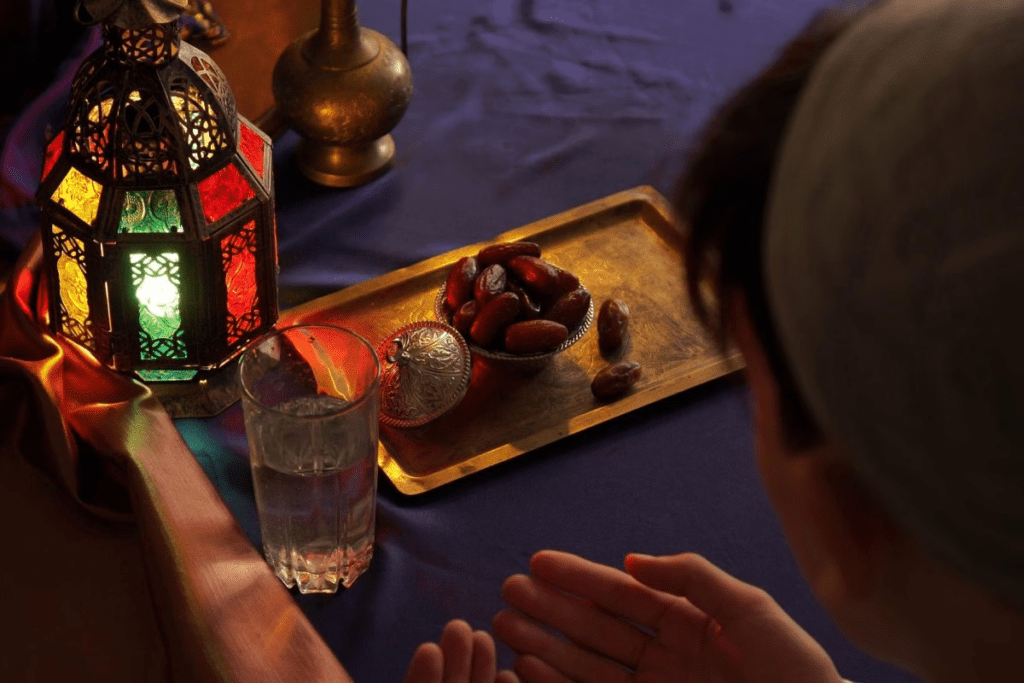
Start with water and a small portion of dates if advised by your healthcare provider. Follow with:
- Vegetable-based soups
- Grilled or baked lean proteins
- Whole grains in moderate portions
- Salads and fibre-rich vegetables
Limit fried foods, creamy dishes and sugary desserts. Traditional sweets should be consumed sparingly and ideally not daily.
Portion control is just as important as food quality.
7. Stay Hydrated and Prioritise Rest
Hydration Between Iftar and Suhoor
Dehydration can worsen blood sugar control and increase the risk of complications, especially in the UAE’s climate.
Aim to drink sufficient water between Iftar and Suhoor. Avoid excessive caffeine, as it can increase urination and contribute to dehydration. Sugary drinks should also be limited to prevent glucose spikes.
Sleep patterns often change during Ramadan, but adequate rest is essential. Poor sleep can affect insulin sensitivity and appetite regulation. Try to maintain a consistent sleep routine as much as possible.

When Not to Fast
Islam provides exemptions for those whose health may be harmed by fasting. Individuals who fall into high-risk categories should prioritise their wellbeing. These include:
- Poorly controlled type 1 diabetes
- History of severe hypoglycemia
- Advanced kidney or heart disease
- Pregnant women with diabetes
- Elderly individuals with multiple health issues
For many, alternative forms of worship and charity can fulfil spiritual obligations without compromising health.
A Personalised Approach Is Key
No two people with diabetes are the same. Age, duration of diabetes, medication type, lifestyle and overall health all influence fasting safety.
Ramadan is a deeply spiritual time of reflection, discipline and community in the UAE. With thoughtful planning, medical guidance and responsible self-care, many people living with diabetes can participate safely and meaningfully.
The most important message from healthcare experts is clear: preparation saves lives. Consult your doctor, monitor your blood sugar consistently and never ignore warning signs. A safe Ramadan is not about enduring risk—it is about balancing faith with informed, responsible health choices.
Do follow UAE Stories on Instagram
Read Next – ADREA Marks Chinese Year of the Horse with Three-Day Cultural Celebration