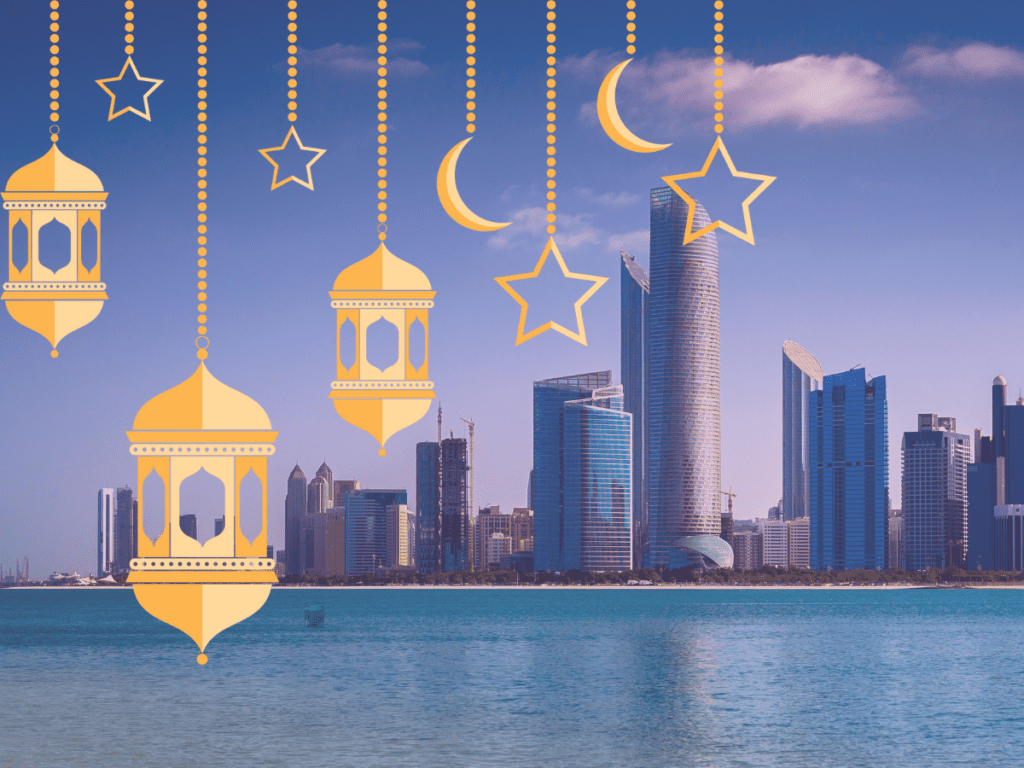
Ramadan in the United Arab Emirates is more than a month on the Islamic calendar. It is a time when life slows down, families gather, and the spirit of generosity fills homes, streets, and workplaces. As Ramadan 2026 approaches, residents and visitors across the country are preparing for a month of reflection, discipline, and community.
In the UAE, Ramadan transforms daily routines. Work hours change, restaurants adjust their services, mosques fill with worshippers, and evenings become vibrant with prayer and shared meals. Understanding the expected dates, fasting rules, and daily timings can help everyone make the most of this sacred month.
When Is Ramadan 2026 in the UAE?
Ramadan follows the Islamic lunar calendar, so its start date shifts each year. In the UAE, Ramadan officially begins after the moon-sighting committee confirms the sighting of the crescent moon.

For 2026, Ramadan is expected to begin on the evening of Tuesday, 17 February 2026, with the first day of fasting likely to fall on Wednesday, 18 February 2026. The month is expected to end on the evening of Thursday, 19 March 2026, with Eid Al Fitr likely to be celebrated on Friday, 20 March 2026.
These dates are subject to official confirmation by the UAE’s moon-sighting authorities. Residents typically wait for an announcement from the relevant religious bodies the night before the expected start date.

Fasting Hours and Daily Timings
During Ramadan 2026 in the UAE, Muslims fast daily from dawn (Fajr) until sunset (Maghrib). No food or drink is consumed during these hours.
In February and March, daylight hours in the UAE are moderate compared to the summer months. Fasting hours are expected to range between approximately 12.5 to 13.5 hours, gradually increasing as the month progresses.
Suhoor, the pre-dawn meal, is eaten before the Fajr prayer. Iftar, the meal to break the fast, takes place immediately after the Maghrib call to prayer at sunset.
Prayer timings vary slightly across the emirates, including Dubai, Abu Dhabi, Sharjah, and Ajman, but the differences are minimal. Local mosques and official Islamic authorities release daily prayer schedules throughout the month.
Special nightly prayers, known as Taraweeh, are performed after the Isha prayer. Many worshippers also attend Qiyam Al Layl during the last ten nights of Ramadan, seeking Laylat Al Qadr, the Night of Power.
Ramadan Rules in the UAE
The UAE is a multicultural country, home to people of many faiths and nationalities. However, during Ramadan, certain rules and guidelines are in place to respect the sanctity of the month.
Fasting Requirements
Fasting during Ramadan is obligatory for adult Muslims who are physically and mentally able. Exemptions apply to children, the elderly, pregnant or nursing women, travelers, and individuals with medical conditions. Those who cannot fast may be required to make up the days later or provide charitable compensation, depending on their circumstances.
Public Conduct
Even non-Muslims are expected to show respect during fasting hours. Eating, drinking, or smoking in public during the day is generally discouraged. In recent years, the UAE has eased some restrictions, allowing restaurants to serve food during the day without the need for curtains or partitions. However, discretion and respect remain essential.
Modest dress is encouraged, particularly in public areas, shopping malls, and government buildings. Loud music and public displays of affection should also be avoided, as Ramadan is considered a solemn and spiritual time.
Working Hours
Working hours are officially reduced during Ramadan for both public and private sector employees in the UAE. Typically, the working day is shortened by two hours. Schools also adjust their schedules, often finishing earlier than usual.
This adjustment allows individuals more time for rest, prayer, and family gatherings before Iftar.
Life in the UAE During Ramadan
Ramadan brings a unique rhythm to life across the country. Mornings are generally quieter, while evenings are lively and social.
Iftar Gatherings
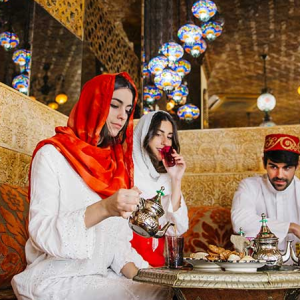
At sunset, families gather around the table to break their fast, often starting with dates and water, following the tradition of Prophet Muhammad. Many hotels and restaurants in cities like Dubai and Abu Dhabi host elaborate Iftar buffets featuring traditional Emirati dishes alongside international cuisine.
Charity and Community
Charity is a central pillar of Ramadan. Throughout the UAE, charitable organizations and volunteers distribute Iftar meals to workers and those in need. Donation campaigns increase significantly during this period, and many residents choose to give Zakat, the obligatory charity in Islam, during Ramadan.
Tents are set up in various neighborhoods, offering free meals to fasting individuals. This spirit of giving strengthens the sense of unity across communities.
Mosques and Worship
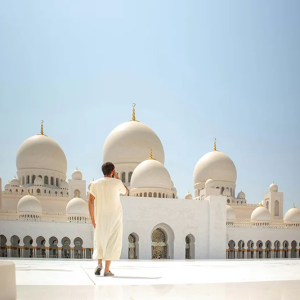
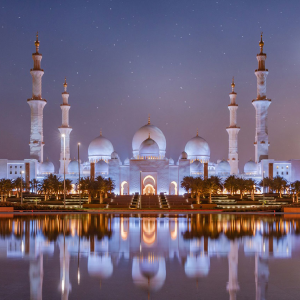
Mosques across the UAE, including the iconic Sheikh Zayed Grand Mosque, see large congregations during Ramadan nights. The atmosphere is peaceful and reflective, with worshippers standing shoulder to shoulder in prayer.
The final ten nights are especially significant, as many people increase their prayers and spend more time in devotion.
Eid Al Fitr 2026 in the UAE
Ramadan concludes with Eid Al Fitr, a joyous festival marking the end of fasting. Based on expected lunar calculations, Eid Al Fitr 2026 in the UAE is likely to begin on 20 March 2026.
Eid is a time of celebration, family visits, and gift-giving. Special prayers are held in mosques and open prayer grounds early in the morning. Children often receive gifts or money, and families prepare festive meals to share with loved ones.
The UAE government usually announces official public holidays for Eid, giving residents a well-deserved break after a month of devotion and discipline.
Tips for Residents and Visitors
If you are living in or visiting the UAE during Ramadan 2026, a few simple steps can help you navigate the month smoothly.
Plan your day around adjusted working hours and traffic patterns, especially close to Iftar when roads can become busy. Make dining reservations early for Iftar buffets, as they tend to fill quickly. Dress modestly in public and be mindful of those who are fasting.
Most importantly, embrace the experience. Ramadan in the UAE is not only about fasting; it is about empathy, generosity, patience, and community. Whether you are observing the fast or simply witnessing the traditions, the month offers a meaningful glimpse into the spiritual heart of the country.
Ramadan 2026 in the UAE promises to be a month of reflection, unity, and renewed faith. By understanding the dates, rules, and timings, you can fully appreciate the beauty and significance of this sacred time.
Do follow UAE Stories on Instagram
Read Next – Family Places in Warsan: Where Everyday Moments Turn Special