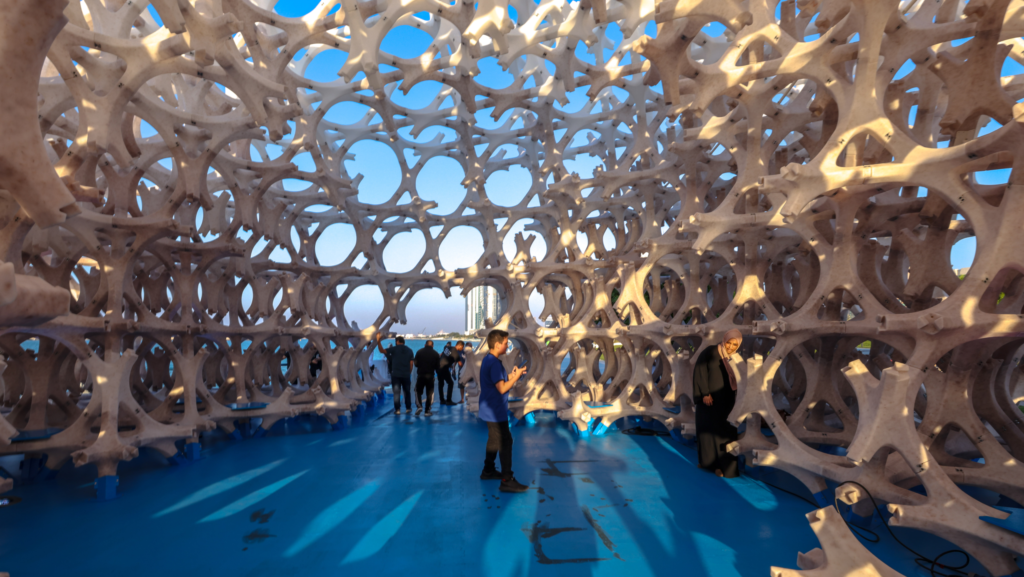
Public art biennial installations have become one of the most influential cultural formats in the contemporary art world. Emerging at the intersection of creativity, urban planning, and community engagement, these large-scale exhibitions transform public spaces into living galleries. Streets, waterfronts, parks, abandoned buildings, and city squares are reimagined as sites of artistic dialogue, inviting people who might never step inside a museum to encounter art in their everyday lives. Unlike permanent monuments, biennial installations are temporary by nature, which allows artists to respond directly to current social realities, environmental concerns, and collective emotions.
What Defines a Public Art Biennial
A public art biennial is a recurring large-scale exhibition, typically held every two years, focused on site-specific artworks installed in open or publicly accessible spaces. These events bring together local and international artists to create works that respond to the city’s history, geography, and social fabric. The temporary nature of biennials encourages experimentation, risk-taking, and innovation. Artists often work with unconventional materials, interactive technologies, or performative elements that invite direct participation rather than passive viewing.
The Global Rise of Biennial Culture
The expansion of biennial culture reflects a broader shift in how societies engage with art. Cities across continents have embraced biennials as platforms for cultural diplomacy, tourism, and urban renewal. Events such as the Venice Biennale, Sydney Biennale, and Kochi-Muziris Biennale have demonstrated how public art can reach global audiences while remaining deeply rooted in local contexts. These exhibitions often attract hundreds of thousands of visitors, generating significant cultural and economic impact for host cities.

Transforming Urban Spaces Through Art
One of the most powerful aspects of public art biennial installations is their ability to transform familiar environments. A neglected waterfront can become a contemplative art walk, while an industrial warehouse may turn into a hub of creativity and conversation. These transformations are not purely aesthetic. They encourage people to see their city differently, to question how public spaces are used, and to imagine alternative futures. Temporary installations often leave behind lasting changes, such as improved infrastructure, renewed public interest in heritage sites, or increased civic pride.
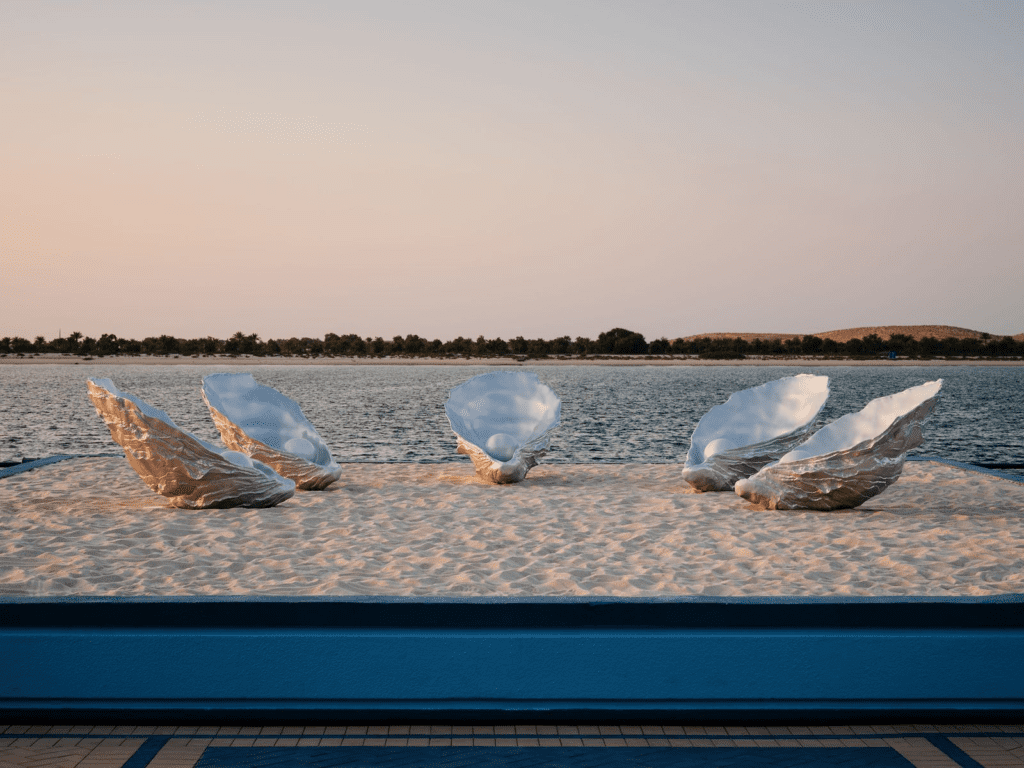
Community Engagement and Social Dialogue
Public art biennials place communities at the heart of artistic exchange. Because installations exist in shared spaces, they naturally invite conversation, debate, and emotional responses. Many biennials include educational programs, artist talks, guided walks, and workshops designed to foster deeper understanding. Artists frequently collaborate with local residents, craftspeople, and activists, ensuring that the work reflects lived experiences rather than imposed narratives. This participatory approach helps break down barriers between art and audience, making creativity feel accessible and relevant.

Addressing Contemporary Issues
Public art biennial installations often tackle urgent global and local issues. Themes such as climate change, migration, identity, inequality, and technological transformation are commonly explored through immersive visual language. Because the artworks are placed in public view, they reach audiences beyond traditional art circles. A passerby encountering an installation about environmental degradation in a city park may experience a moment of reflection that feels immediate and personal. This capacity to provoke thought without requiring formal art education is one of the biennial format’s greatest strengths.
Economic and Cultural Impact on Cities
Beyond cultural value, public art biennials contribute significantly to urban economies. They attract domestic and international visitors, support local businesses, and create employment opportunities across creative industries. Hotels, restaurants, transport services, and cultural venues often experience increased activity during biennial periods. At the same time, cities gain global visibility as centers of creativity and innovation. This combination of economic benefit and cultural prestige explains why many cities continue to invest in biennial programs despite their temporary nature.
The Role of Curators and Artists
Curators play a crucial role in shaping public art biennials. Their vision determines how artworks interact with the city and with each other. Successful biennials balance artistic freedom with thoughtful curation, ensuring coherence without limiting experimentation. Artists, in turn, are challenged to respond sensitively to public contexts. Unlike gallery settings, public spaces involve unpredictable audiences, weather conditions, and social dynamics. This complexity often leads to works that are bold, adaptable, and deeply responsive to their surroundings.
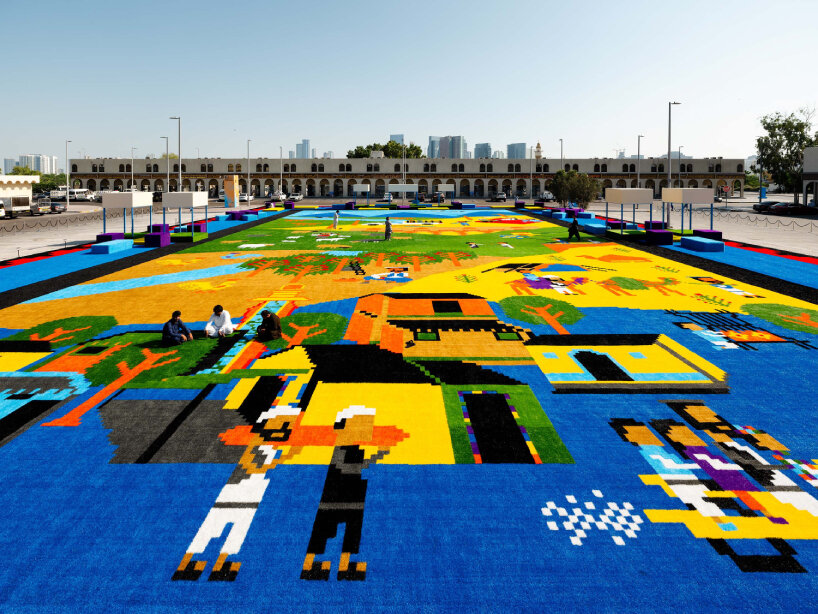
Challenges and Criticisms
Despite their popularity, public art biennial installations face criticism and logistical challenges. Questions around funding, sustainability, accessibility, and long-term impact are frequently raised. Some critics argue that biennials risk becoming spectacles driven by tourism rather than meaningful cultural engagement. Others highlight the environmental footprint of temporary installations. In response, many organizers are adopting more sustainable practices, using recyclable materials, reducing transportation costs, and emphasizing community collaboration over grand gestures.
The Future of Public Art Biennials
The future of public art biennial installations lies in adaptability and inclusivity. As cities evolve, biennials are increasingly exploring digital platforms, hybrid experiences, and decentralized exhibition models. There is also a growing emphasis on voices historically underrepresented in the art world, including Indigenous artists, emerging practitioners, and local communities. By embracing innovation while remaining socially grounded, public art biennials continue to redefine what art can be in the public realm.
Conclusion
Public art biennial installations represent more than temporary exhibitions; they are powerful cultural moments that reshape how people experience their cities. By bringing art into everyday spaces, these events foster dialogue, reflection, and connection on a broad scale. They challenge conventional boundaries between artist and audience, culture and commerce, permanence and change. As urban environments face complex social and environmental challenges, public art biennials remain a dynamic platform for imagining shared futures through creativity and collective expression.
Do follow UAE Stories on Instagram
Read Next – Velodrome Abu Dhabi: Where Speed, Precision, and Legacy Meet