Port Rashid stands as one of Dubai’s most influential maritime landmarks, reflecting the emirate’s ambition, resilience, and long-term vision. What began as a modest harbor in the early days of the UAE has evolved into a symbol of trade excellence, cruise tourism, and waterfront innovation. Strategically located along Dubai’s historic coastline, Port Rashid has played a crucial role in positioning the city as a global maritime and commercial powerhouse.
The Birth of Port Rashid and Early Development
Port Rashid was officially inaugurated in 1972 under the leadership of Sheikh Rashid bin Saeed Al Maktoum. At the time, Dubai relied heavily on its natural creek for trade, which limited the size and volume of ships it could accommodate. Recognizing the need for deeper waters and modern port infrastructure, the government invested in creating a purpose-built seaport capable of handling large cargo vessels.
Initially, Port Rashid featured five berths, but its success was immediate. By 1978, the port expanded to 35 berths, establishing itself as one of the most advanced ports in the Middle East. This rapid expansion marked a turning point in Dubai’s economic diversification and international trade capabilities.

Strategic Role in Dubai’s Economic Growth
Throughout the 1970s and 1980s, Port Rashid served as Dubai’s primary commercial port. It facilitated the import and export of goods ranging from construction materials to consumer products, supporting the city’s rapid urban and industrial growth. The port became a vital link connecting Dubai to markets in Europe, Asia, and Africa.
Port Rashid’s efficiency and modern facilities attracted international shipping lines, helping Dubai gain a reputation as a reliable logistics hub. This success laid the groundwork for the later development of larger ports, including Jebel Ali Port, which opened in 1979 and eventually took over most commercial shipping operations.

Transition from Cargo Port to Cruise Destination
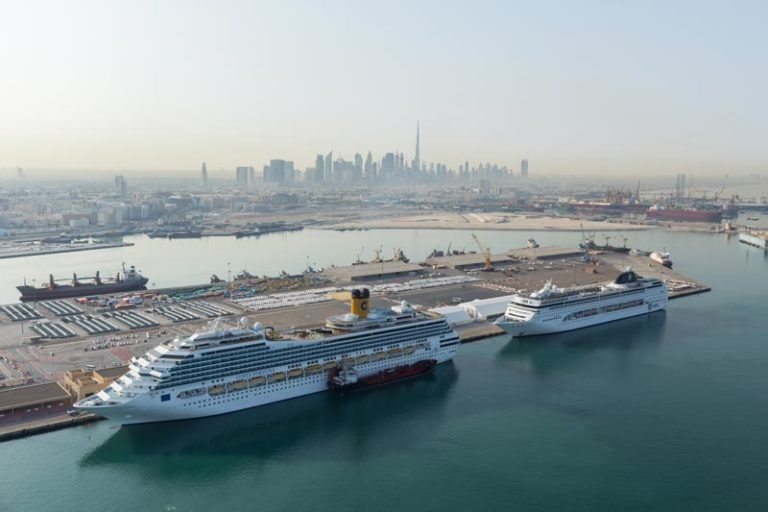
As Dubai expanded its port network, Port Rashid gradually shifted away from cargo handling. By the early 2000s, the port began redefining its role, focusing on cruise tourism and passenger services. This strategic transition aligned with Dubai’s broader tourism vision.
In 2008, Port Rashid was officially designated as Dubai’s main cruise terminal. Purpose-built cruise facilities were introduced, allowing the port to welcome some of the world’s largest cruise liners. The development significantly boosted Dubai’s cruise tourism sector, attracting hundreds of thousands of visitors annually and contributing to the city’s hospitality and retail industries.
The Queen Elizabeth 2 and Cultural Significance
One of Port Rashid’s most iconic additions arrived in 2008 with the permanent docking of the historic ocean liner Queen Elizabeth 2. Launched in 1967, the vessel is considered one of the most famous ships in maritime history. Its arrival added a unique cultural and heritage dimension to Port Rashid.
The ship was later transformed into a floating hotel and museum, opening to the public in 2018. The Queen Elizabeth 2 now serves as a living reminder of classic ocean travel, enhancing Port Rashid’s appeal as a cultural and tourism destination.
Mina Rashid Redevelopment Vision
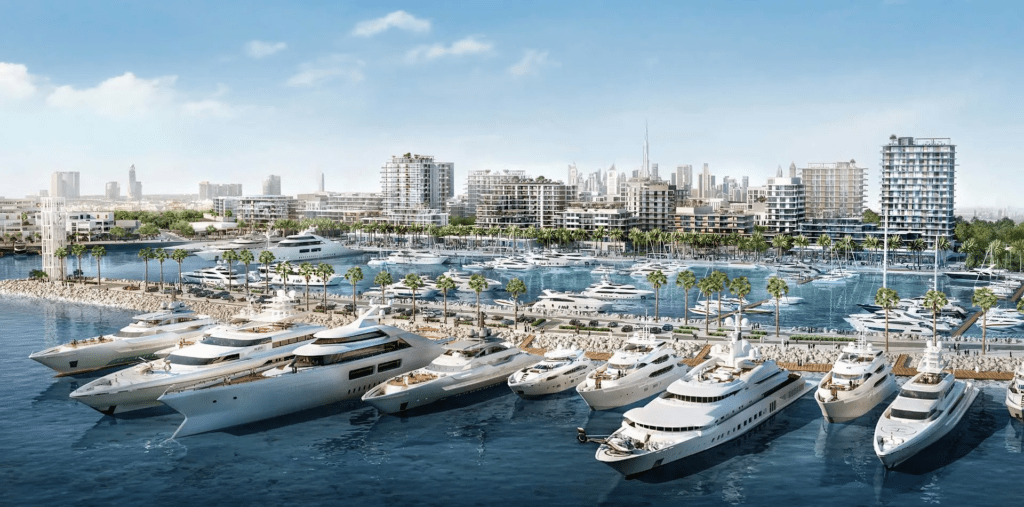
In recent years, Port Rashid has become central to the Mina Rashid redevelopment project, a large-scale waterfront transformation initiative announced in 2016. The vision aims to convert the historic port area into a world-class coastal destination combining residential, hospitality, retail, and leisure offerings.
The redevelopment preserves Port Rashid’s maritime heritage while introducing modern urban living. New marinas, private beaches, waterfront promenades, and luxury residences are being developed, positioning Mina Rashid as a premium lifestyle destination within Dubai.
Architectural and Urban Impact
Port Rashid’s transformation reflects Dubai’s unique approach to urban planning, where heritage and innovation coexist. The redevelopment integrates contemporary architecture with open public spaces, encouraging community engagement while maintaining strong visual connections to the sea.
The area’s design emphasizes walkability, sustainability, and access to the waterfront. This shift has not only enhanced property value but also redefined how historic industrial zones can be repurposed for modern urban life.
Contribution to Tourism and Lifestyle Economy
Today, Port Rashid plays a vital role in Dubai’s tourism ecosystem. As a cruise hub, it connects Dubai with regional and international cruise routes across the Arabian Gulf, Indian Ocean, and beyond. Passengers arriving at Port Rashid gain immediate access to Dubai’s cultural districts, shopping centers, and landmarks.
The growing residential and hospitality offerings further strengthen the area’s contribution to Dubai’s lifestyle economy. Restaurants, cafes, and cultural attractions are steadily transforming Port Rashid into a vibrant destination for residents and visitors alike.
Legacy and Future Outlook
Port Rashid’s journey from a pioneering commercial port to a modern waterfront icon mirrors Dubai’s broader development story. Its adaptability, strategic importance, and continued reinvention highlight the emirate’s ability to evolve with changing economic and social demands.
Looking ahead, Port Rashid is expected to remain a key player in Dubai’s urban and tourism landscape. With ongoing development and increasing global interest, it continues to honor its legacy while embracing a future defined by innovation and excellence.
Do follow UAE Stories on Instagram
Read Next – Jameel Arts Centre Dubai: Shaping the Future of Contemporary Art