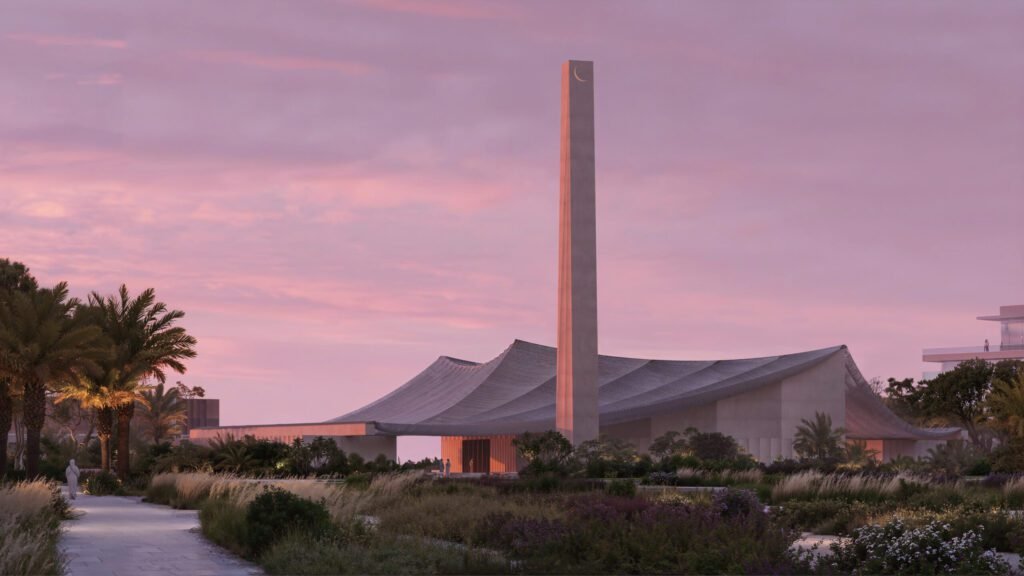
Dubai has revealed the design of the Palm Jebel Ali Friday Mosque, a spectacular new mosque that promises to become the spiritual and cultural heart of the Palm Jebel Ali island. Designed by the famous architecture firm SOM (Skidmore, Owings & Merrill), this mosque will be capable of hosting 1,000 worshippers, making it a major addition to Dubai’s vibrant religious and cultural landscape.
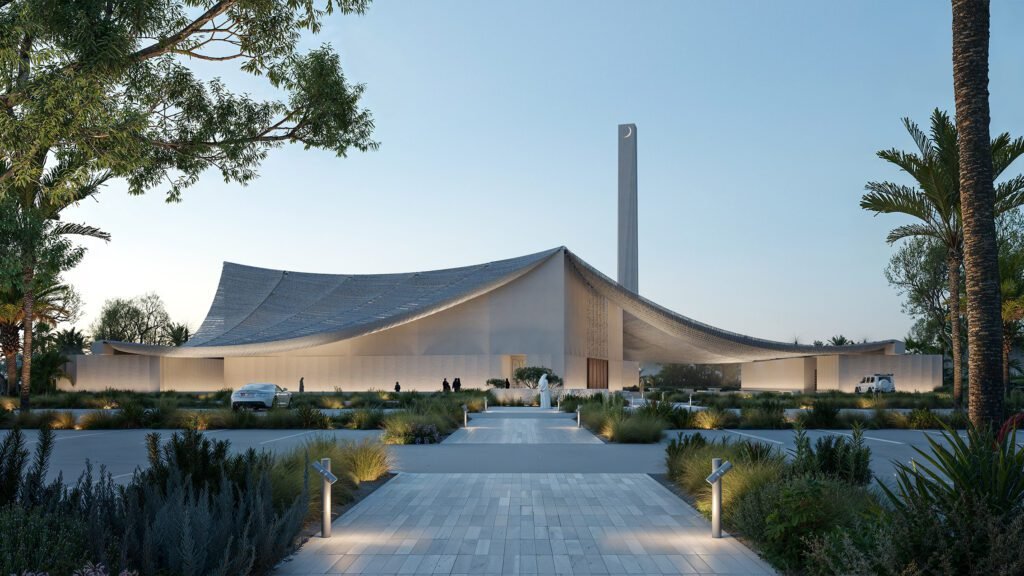
Featuring a striking 40 meter minaret and intricate Islamic geometric designs, the mosque combines tradition and modernity in a way that honors the past while looking confidently to the future. It is set to become a new architectural landmark on the iconic Palm island, showcasing Dubai’s dedication to celebrating its Islamic heritage amid rapid urban growth.
In this article, we will explore the design of the mosque, the significance of its location, its role in the community, and what it means for the future of Dubai.

Introducing the Palm Jebel Ali Friday Mosque
The Palm Jebel Ali Friday Mosque is not just a place for worship; it is a symbol of faith, culture, and community for the people living on and visiting the Palm Jebel Ali island. This island, famous for its palm tree shape and luxury lifestyle, now welcomes a spiritual centerpiece designed to accommodate the growing Muslim population.
The mosque will serve as a place for daily prayers, Friday congregations, religious festivals, and community gatherings. With a capacity for 1,000 worshippers, it promises to be spacious and welcoming, offering a calm sanctuary for spiritual reflection amid the lively atmosphere of the island.

What makes this mosque particularly special is its thoughtful design, which blends classical Islamic architecture with modern influences. This makes it not only a functional religious space but also an architectural masterpiece that enhances the beauty of Palm Jebel Ali.
The Architectural Vision Behind the Mosque
The Palm Jebel Ali Friday Mosque is designed by SOM, a world-renowned architecture firm celebrated for their innovative and elegant designs. The firm has brought a unique approach to this mosque, carefully balancing traditional Islamic motifs with contemporary architecture.
Key Features of the Design
40 meter minaret
One of the mosque’s most striking features is its tall minaret, standing at 40 meters high. The minaret serves a traditional role in Islamic culture as the place where the call to prayer (adhan) is announced. Beyond this function, it acts as a visual landmark visible across the island and nearby areas, symbolizing the presence and importance of Islam in the community.
Islamic geometric patterns
The mosque’s surfaces are adorned with beautiful geometric designs inspired by centuries of Islamic art. These patterns are not just decorative but hold deep cultural and spiritual meanings, symbolizing unity, infinity, and the divine.
Timeless aesthetic
The overall design carefully respects the aesthetics of traditional mosques while embracing modern simplicity and elegance. Clean lines, harmonious proportions, and thoughtful use of space make the mosque feel both timeless and fresh.
Natural light and space
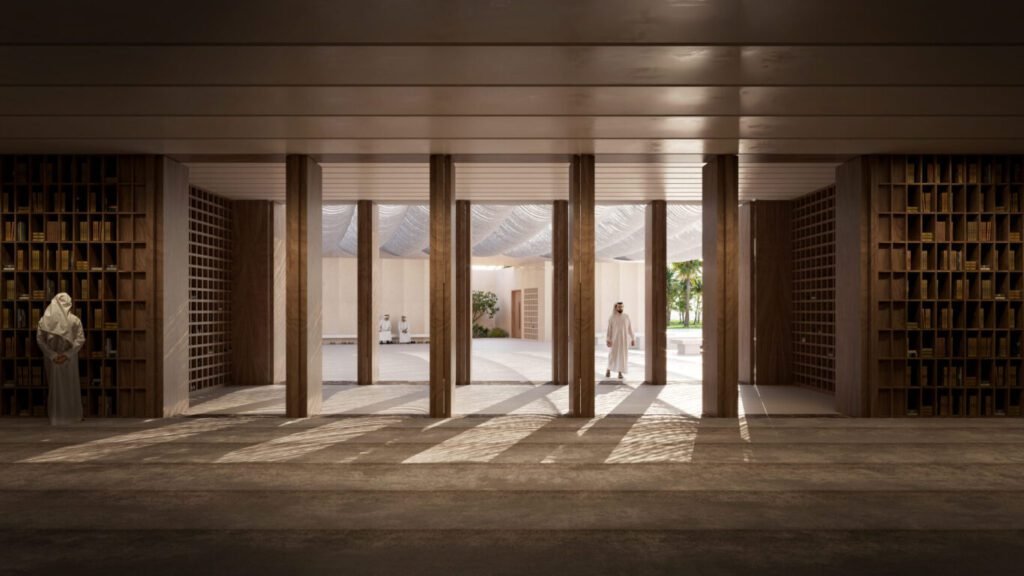
The mosque’s interior uses natural light to create a serene atmosphere perfect for worship and reflection. Large windows and open spaces allow sunlight to filter in, enhancing the spiritual experience.
Sustainability
Though modern in many ways, the mosque also incorporates environmentally friendly materials and design principles, reflecting a growing awareness of sustainability in architecture.
This blend of features makes the mosque a unique space that honors Islamic heritage while fitting perfectly into Dubai’s modern urban fabric.
A Spiritual and Cultural Center for the Community
The Palm Jebel Ali Friday Mosque is designed to be much more than a place for prayer. It will act as a cultural and social hub for the local community, bringing people together for religious observance and cultural celebration.
Functions of the Mosque Include
Daily prayers
The mosque will be open for all five daily prayers, providing a peaceful space for regular spiritual practice for residents and visitors alike.
Friday congregational prayers
Friday prayers are especially important in Islam, as Muslims gather to pray together in larger numbers. The mosque’s capacity to hold 1,000 worshippers means it can comfortably serve the community on these important days.
Religious education
The mosque may host educational programs, teaching Islamic studies, the Quran, and Arabic language to children and adults.
Cultural events
Beyond religious functions, the mosque can also serve as a venue for cultural events and celebrations, reinforcing community bonds.
Social unity
As a gathering place, the mosque will help foster social connections among diverse groups living on Palm Jebel Ali and neighboring areas.
This focus on community makes the mosque a vibrant, living space, rather than just a building.
The Importance of the Mosque’s Location on Palm Jebel Ali
Palm Jebel Ali is the largest of Dubai’s famous palm-shaped islands. Known for its luxurious residences, hotels, marinas, and entertainment, it is a unique and prestigious part of Dubai.
Adding the Friday mosque to this location greatly enriches the island’s identity and facilities.
Why the Location Matters
Serving a growing population
As more families and individuals move to Palm Jebel Ali, the demand for a significant place of worship grows. The mosque meets this need, providing a nearby spiritual home.
Enhancing community life
The mosque adds a cultural dimension to the island’s lifestyle, balancing the luxury and leisure with spiritual well-being.
Tourism appeal
Dubai is a global tourist destination, and many visitors are interested in Islamic culture and architecture. The mosque will be an attraction for those who want to explore the city’s heritage.
Cultural preservation
Building such a mosque on Palm Jebel Ali ensures that even in a modern, fast-paced environment, the city’s religious and cultural roots remain visible and celebrated.
In short, the mosque’s location ties together tradition and progress, serving as a cultural anchor for the community.
Tradition Meets Modernity: The Mosque’s Unique Design Philosophy
The Palm Jebel Ali Friday Mosque showcases how traditional Islamic architecture can be beautifully merged with modern design concepts.
Harmonizing the Old and New
Use of geometry
Islamic architecture has always been known for its geometric patterns. These patterns, used extensively in the mosque, are not only decorative but also symbolic, representing spiritual ideas and the infinite nature of God.
Modern simplicity
While maintaining these traditional elements, the mosque’s design avoids unnecessary ornamentation, instead focusing on clean, elegant forms that give the building a timeless appeal.
Light and openness
The mosque uses natural light cleverly to enhance the peaceful atmosphere inside. Large windows and open prayer halls ensure a connection between the indoor space and the surrounding natural environment.
Sustainability
The design includes modern, eco-friendly materials and energy-efficient features to reduce environmental impact, reflecting a new awareness in mosque construction.
This thoughtful blend allows the mosque to stand proudly as a modern icon of faith, respecting the past while embracing the present.
The Symbolism of the 40 Meter Minaret
One cannot talk about the Palm Jebel Ali Friday Mosque without highlighting its 40 meter minaret. The minaret is a defining feature of many mosques and carries deep meaning.
What Makes the Minaret Special
Call to prayer
Traditionally, the minaret is where the muezzin calls Muslims to prayer five times a day. Though loudspeakers now amplify this call, the minaret remains a vital symbol of Islamic practice.
Visual landmark
Its height ensures the mosque is visible from a distance, acting as a beacon of faith for the community. It also becomes part of the island’s skyline, symbolizing the spiritual presence in a modern setting.
Architectural statement
The minaret’s design reflects a balance between tradition and contemporary style, making it a focal point of the mosque’s exterior beauty.
The minaret’s importance goes beyond function; it is a proud symbol of Islam and the community’s identity.
What the Mosque Means for Dubai’s Future
The Palm Jebel Ali Friday Mosque is more than a building; it represents Dubai’s ongoing dedication to nurturing its cultural and religious identity while developing as a global city.
Broader Implications
Cultural preservation
In a city known for rapid modernization, the mosque stands as a reminder of Dubai’s deep Islamic roots and traditions.
Community building
It creates a space where people can gather for worship, learning, and social connection, strengthening communal bonds.
Tourism and education
The mosque will attract those interested in Islamic art, architecture, and culture, serving as an educational resource and cultural landmark.
Urban harmony
By integrating traditional design into a modern urban environment, the mosque exemplifies how cities can balance progress with heritage.
This mosque is a sign that Dubai values its spiritual and cultural life just as much as its economic and architectural development.
Looking Forward: Completion and Impact
The construction of the Palm Jebel Ali Friday Mosque is progressing steadily, and its completion will mark a milestone for the island and the city.
What to Expect
A grand opening
A celebration that highlights the mosque’s importance as a spiritual and cultural center.
Ongoing community engagement
Programs and events that will invite people to participate and connect.
Architectural recognition
The mosque will likely be celebrated as a new icon of Dubai’s skyline and cultural heritage.
Once completed, the mosque will stand as a beacon of faith, culture, and unity for Palm Jebel Ali and beyond.
Conclusion
The unveiling of the Palm Jebel Ali Friday Mosque marks a significant moment for Dubai’s cultural and religious landscape. With its striking 40 meter minaret, capacity for 1,000 worshippers, and beautiful blend of Islamic tradition and modern design, it is set to become the spiritual and cultural heart of Palm Jebel Ali island.
Designed by SOM, this mosque is not just a place for prayer but a symbol of Dubai’s commitment to preserving its heritage while embracing the future. It will be a space where faith, culture, and community come together in harmony.
As the mosque takes shape on this iconic man-made island, it promises to become a landmark that defines Dubai’s skyline and enriches its cultural soul for generations to come.
Do follow UAE Stories on Instagram
Read Next – UAE Rain Forecast: More Rain and Cooler Days Ahead Until Friday