Palm Jebel Ali is one of Dubai’s most ambitious visions—an artificial island designed to redefine coastal living on an unprecedented scale. Conceived as a bold expansion of Dubai’s shoreline, the island has spent years in silence, its foundations resting beneath the sea while the city around it surged ahead. Today, renewed momentum has brought Palm Jebel Ali back into the spotlight, promising a future that blends luxury, lifestyle, and large-scale urban planning.
Often compared to its more famous sibling, Palm Jumeirah, Palm Jebel Ali is designed to be larger, greener, and more experiential. While it has yet to host completed developments, the scale and intent behind the project position it as one of the most important coastal transformations planned in the emirate.
A Vision That Outgrew Expectations
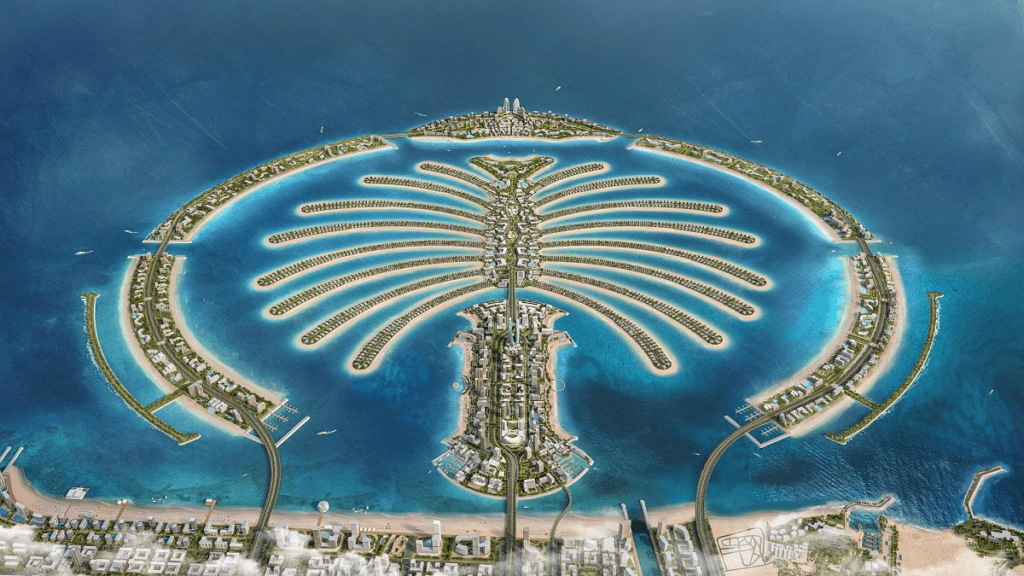
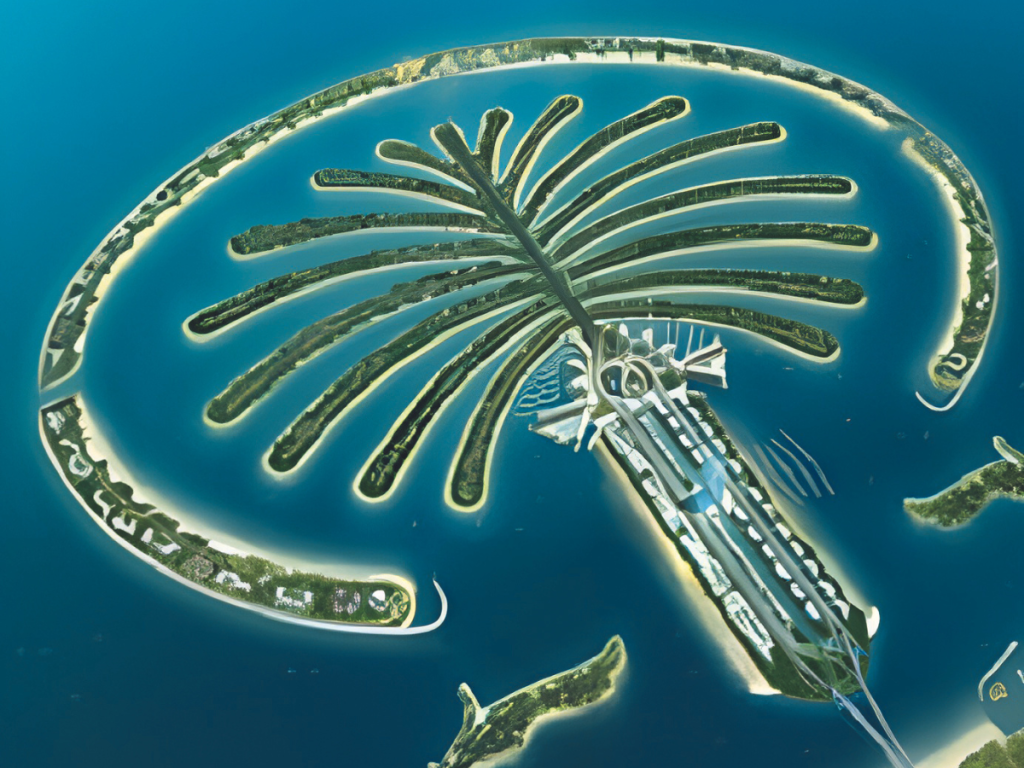
Palm Jebel Ali was planned to be twice the size of Palm Jumeirah, not just in landmass but also in ambition. Stretching across approximately 13.4 kilometres of reclaimed land, the island is designed with 16 distinctive fronds branching from a central trunk. Together, these fronds form an extraordinary network of waterfront plots, delivering more than 110 kilometres of coastline and roughly 91 kilometres of beachfront.

This vast canvas was envisioned to host a new generation of communities, leisure destinations, and hospitality landmarks. Unlike earlier developments that focused primarily on residential luxury, Palm Jebel Ali’s blueprint emphasises a more diverse mix of uses—where homes, resorts, entertainment, and public spaces coexist seamlessly.
Years of Silence Beneath the Surface
Construction on Palm Jebel Ali was halted for an extended period following a global slowdown in development activity, leaving the island largely dormant for more than a decade. During this time, the foundations and basic land reclamation remained intact, but the absence of visible progress led many to assume the project had been quietly shelved.

In reality, the pause allowed planners to rethink the island’s long-term role within Dubai’s evolving urban strategy. Sustainability, lifestyle integration, and experiential tourism became central considerations, setting the stage for a more future-ready revival rather than a simple continuation of earlier plans.
Revival and a Renewed Masterplan
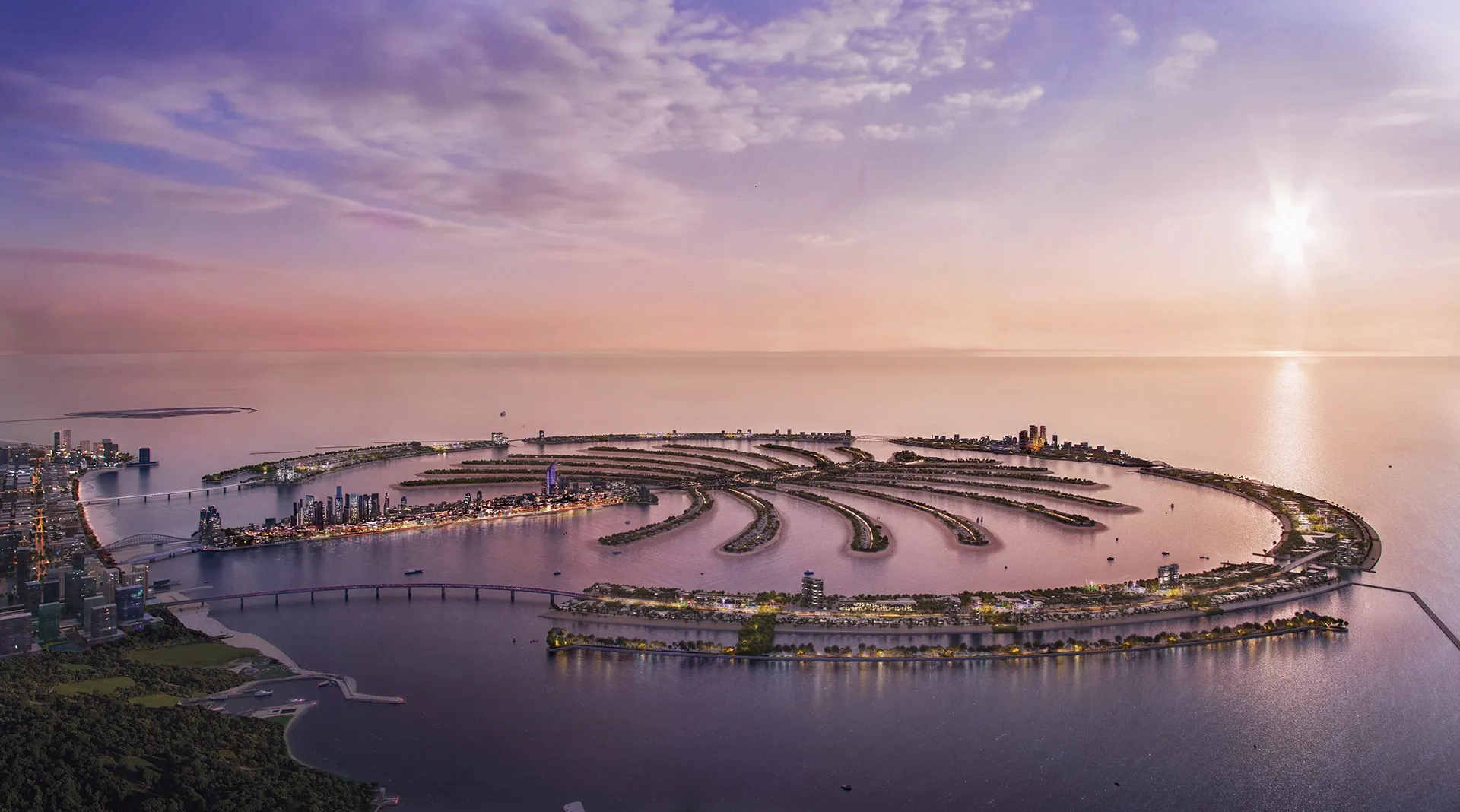
The revival of Palm Jebel Ali has been driven by a refreshed vision that aligns with Dubai’s broader coastal and tourism ambitions. Updated plans highlight a carefully curated mix of hotels, resorts, beach clubs, and lifestyle hubs. Among the most talked-about elements is a proposed celebration village—an area designed to host events, festivals, dining, and waterfront entertainment.
This renewed approach shifts Palm Jebel Ali away from being purely residential. Instead, it positions the island as a destination in its own right, appealing to residents, tourists, and investors seeking long-term value rather than short-term spectacle.
Engineering the Extraordinary
While the island’s outline is already in place, significant infrastructure work remains essential to support future communities. Roads, utilities, bridges, and transport links must be developed to ensure seamless connectivity with mainland Dubai.
One of the most striking planned features is the Gateway Bridge, envisioned as a futuristic architectural statement that will serve as the primary entrance to the island. Beyond its visual impact, the bridge is designed to manage traffic flow efficiently while offering panoramic views of the surrounding coastline—an arrival experience intended to match the island’s scale and ambition.
Space for Thousands of Families
Palm Jebel Ali is expected to become home to approximately 35,000 families once fully developed. With more than 10.5 million square metres allocated for development, the island offers ample space for low-density waterfront villas, upscale apartments, and branded residences.
The emphasis on spacious layouts and extensive beachfront access reflects a shift in buyer preferences. Privacy, outdoor living, and direct access to the sea are no longer niche luxuries but central expectations, and Palm Jebel Ali is designed to deliver these at scale.
Lifestyle at the Water’s Edge
What sets Palm Jebel Ali apart is its lifestyle-driven planning. Beach clubs, promenades, wellness retreats, and recreational marinas are integrated into the masterplan, ensuring that daily life extends beyond the walls of individual homes.
The long, continuous coastline allows for public and private beachfront zones, encouraging both community interaction and exclusivity where needed. This balance is crucial in creating a living environment that feels vibrant rather than isolated—an issue that large-scale island developments often struggle to overcome.
Investment Potential and Market Confidence
The reactivation of Palm Jebel Ali has already attracted attention from real estate developers and investors. Although no official completion timeline has been publicly confirmed, several developers have indicated projected handover periods for specific residential offerings, signalling growing confidence in the project’s trajectory.
For investors, Palm Jebel Ali represents a rare opportunity: entry into a landmark development at an early stage, backed by Dubai’s proven track record of delivering globally recognised waterfront destinations.
A New Chapter for Dubai’s Coastline
Palm Jebel Ali is more than a delayed megaproject—it is a statement about Dubai’s long-term vision. By revisiting and refining the island’s purpose, planners aim to create a destination that remains relevant for decades rather than chasing short-lived trends.
As the city continues to expand toward the sea, Palm Jebel Ali stands poised to become a defining chapter in Dubai’s coastal story. Its eventual completion will not only reshape the skyline but also redefine what large-scale waterfront living can look like in a modern, global city—guided by ambition, patience, and a renewed sense of purpose, with visuals shared by the Dubai Media Office.
Do follow UAE Stories on Instagram
Read Next – Ghaf Woods: Redefining Forest Living in Dubai