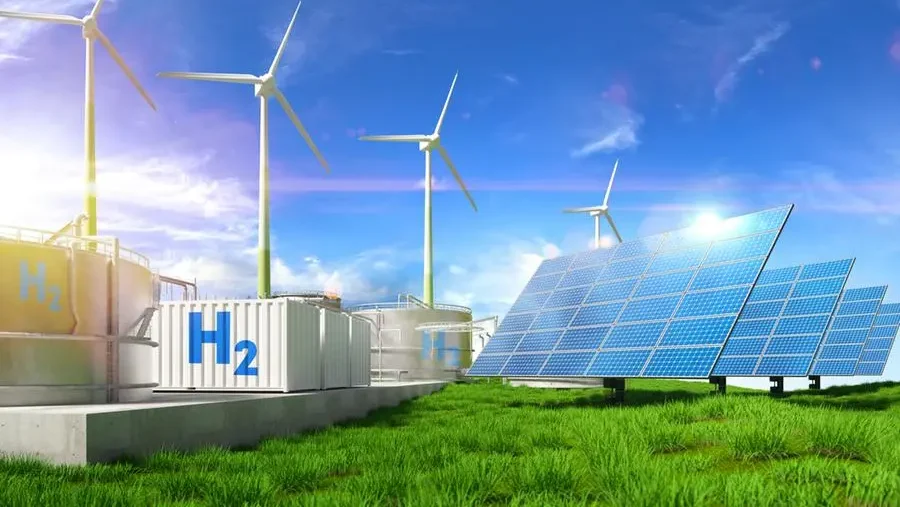
Oman’s energy sector just took a major step toward a more sustainable future. The Oman Qatari Alternative Energy (OQAE) has officially started operations for its pipeline of clean energy projects in the country.
The launch marks a big milestone in Oman’s plan to transition to renewable and sustainable energy sources. It also highlights the growing role of local and regional companies in helping the country meet its long-term energy and environmental goals.
The clean energy project in Oman, led by OQAE, includes a wide range of renewable technologies and is part of the government’s larger strategy to diversify the country’s energy mix while reducing its dependence on fossil fuels.

What is the clean energy project in Oman all about?
OQAE’s clean energy pipeline includes a series of solar, wind, and hybrid power generation projects spread across multiple regions in Oman. These projects are designed not just to generate electricity, but also to reduce carbon emissions, improve energy security, and support economic development through job creation.
According to OQAE, this clean energy project in Oman is not a single facility or plant. Instead, it’s a coordinated rollout of various renewable initiatives that will be activated in phases.

The company has already started operations in key areas, including solar energy farms and off-grid solutions that serve remote and rural communities.
Why is this project important for Oman?
Oman has committed to a long-term plan called Oman Vision 2040, which includes ambitious goals for reducing carbon emissions, increasing renewable energy use, and ensuring economic diversification.
The clean energy project in Oman supports all of these aims.
Here’s why the project matters:
- Supports Oman’s green goals: Helps reduce the country’s carbon footprint.
- Lowers reliance on oil and gas: Offers a more sustainable alternative.
- Boosts local innovation: Encourages new technology and skills in the energy sector.
- Creates jobs: Especially in engineering, construction, and operations.
OQAE’s role in Oman’s clean energy transformation
OQAE, a joint venture between Oman and Qatari partners, has been expanding its energy division over the past few years. The company is best known for its work in heavy equipment and logistics, but the shift to clean energy shows its adaptability and long-term vision.
By launching the operational phase of this project, OQAE is positioning itself as a key player in the region’s clean energy movement. The company has said that its focus will be on scalable solutions—meaning energy systems that can grow quickly to meet future demand.
The clean energy project in Oman is also expected to feed into the national grid, helping ensure that renewable power plays a bigger role in the country’s daily electricity usage.
How the clean energy project in Oman will work
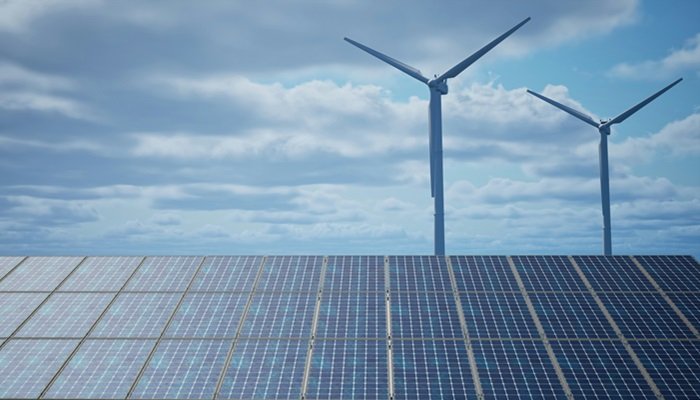
The pipeline is expected to work in stages. The current phase includes:
- Installation of solar power systems in both urban and rural areas.
- Wind energy development in suitable coastal and desert regions.
- Hybrid systems that combine solar, wind, and storage to ensure 24/7 power.
The next phase will include scaling up these systems and potentially adding green hydrogen production, which could turn Oman into a global exporter of clean fuel.
Partnerships and government support
The clean energy project in Oman is backed by multiple government bodies, including the Ministry of Energy and Minerals. These agencies are working closely with OQAE to ensure that regulations and infrastructure are ready to support the rollout.
OQAE has also entered into public-private partnerships to finance and operate parts of the pipeline. These partnerships are important because they help spread the financial risk and bring in technical expertise from around the region.
Economic and social impact of the project
In addition to environmental benefits, the clean energy project in Oman is expected to have a strong economic impact.
- Job creation: Hundreds of new jobs are being created in construction, technical services, and maintenance.
- Training programs: Local talent is being trained to manage and operate renewable energy systems.
- Support for SMEs: Small and medium enterprises are being included in the supply chain, helping them grow alongside the project.
The social impact is also significant. More reliable power in remote areas means better education, healthcare, and economic opportunities for communities that were previously underserved.
Challenges ahead for clean energy in Oman
While the launch is promising, there are still challenges ahead. These include:
- High upfront costs of clean energy systems.
- Integration with existing power grids, which are mostly designed for fossil fuels.
- Changing public perceptions about the reliability of renewable energy.
However, OQAE and its partners believe that these challenges can be overcome with the right mix of technology, regulation, and education.
What’s next for the clean energy project in Oman?
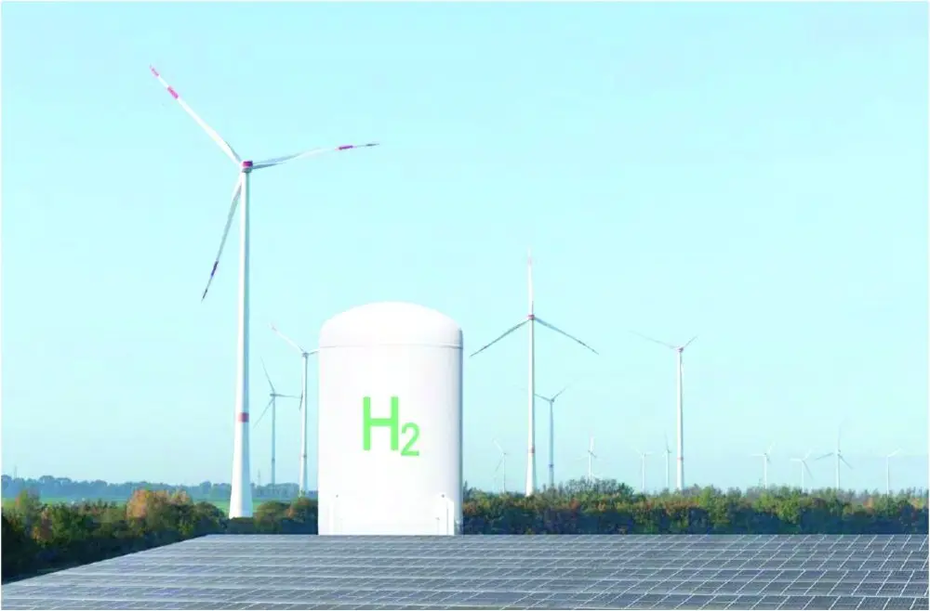
OQAE plans to expand the pipeline further in the coming months. Some of the future goals include:
- Building large-scale solar plants in the interior regions of Oman.
- Expanding wind energy farms along the southern coast.
- Launching pilot projects for energy storage and hydrogen production.
The company also plans to publish regular updates to keep the public informed about progress, partnerships, and performance.
Conclusion: Oman’s green energy journey begins
The clean energy project in Oman is more than just a corporate initiative—it’s a signal that the country is ready to embrace a cleaner, more sustainable future. With OQAE leading the way and strong support from the government, Oman is well on its way to becoming a leader in the region’s renewable energy sector.
If successful, this project could serve as a model for other Gulf countries looking to balance energy needs with environmental responsibility.
Do follow UAE Stories on Instagram
Read More: Kuwait Steel Recycling Plant to Begin Operations in 2025