
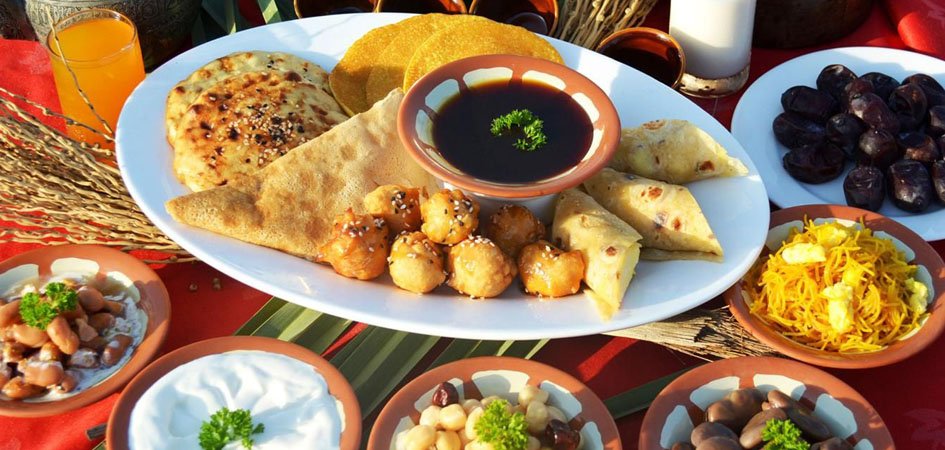
When you think of the UAE, chances are skyscrapers, luxury shopping, and futuristic experiences come to mind. But there’s another part of Emirati life that often goes unnoticed by first-time visitors: the food. Rich in tradition, flavour, and hospitality, Emirati cuisine is a true hidden gem waiting to be explored.
From centuries-old Bedouin recipes to mouthwatering street snacks, the UAE’s food culture is a blend of influences from across the Gulf, Persia, India, and East Africa. But Emirati food is not just a fusion – it’s a culinary identity in itself.
Let’s take a delicious deep dive into the must-try Emirati dishes that will not only surprise your taste buds but also give you a new appreciation for the UAE’s soulful heritage.

Majboos – The UAE’s Comfort Food
If there’s one dish that defines Emirati cuisine, it’s Majboos (also known as Machboos). This beloved rice dish is packed with fragrant spices like saffron, dried lemon (loomi), cinnamon, and cloves. Think of it as a flavourful cousin of biryani but with its own unique twist.
Majboos is usually cooked with tender pieces of chicken, lamb, or even fish, all slow-cooked to perfection. What makes it stand out is the depth of the spice blend, combined with a subtle tang from the loomi.

Served during family gatherings, weddings, or national celebrations, Majboos is more than food – it’s an experience.
Harees – A Hearty Emirati Classic
Simple yet soul-satisfying, Harees is a dish that has been passed down through generations. It’s made by cooking crushed wheat with meat (usually chicken or lamb) until it becomes a porridge-like consistency. It’s slow-cooked for hours until every ingredient blends beautifully.
This dish is particularly popular during Ramadan, thanks to its light yet nourishing texture. Served with ghee or clarified butter drizzled on top, Harees tastes like a warm hug from an Emirati grandmother. It’s comfort food at its finest – humble, hearty, and heartwarming.
Luqaimat – Sweet, Crispy, and Impossible to Resist
If you have a sweet tooth, then Luqaimat is a must-try. These golden, deep-fried dough balls are crisp on the outside and soft inside, soaked in date syrup or honey and often sprinkled with sesame seeds.
You’ll often see locals queuing up for these treats during festivals or late-night Ramadan markets. They’re typically served hot, and the combination of crunch, sweetness, and slight chewiness is absolutely addictive.
Luqaimat isn’t just dessert – it’s a piece of joy shared among friends and families.
Balaleet – When Sweet Meets Savoury
Balaleet might just be the most surprising dish on this list. Imagine sweet saffron vermicelli noodles topped with a savoury omelette – sounds unusual, right? But it works.
This is a traditional Emirati breakfast that balances sugar, cardamom, and rose water with the rich saltiness of egg. The first bite may confuse you, but by the third bite, you’ll find yourself hooked.
It’s the kind of dish that showcases the Emirati love for complex flavours and culinary risk-taking.
Madrooba – A Seafood Lover’s Dream
The UAE has a strong fishing history, and Madrooba is one dish that pays homage to that legacy. It’s a thick, creamy porridge made with salted fish and spiced flour. Yes, it sounds simple – but the flavour is anything but.
The salted fish is cooked down with garlic, turmeric, and spice blends until it breaks apart, then mixed with flour and water until it forms a thick, comforting stew. It’s the kind of dish you eat slowly, letting the warmth linger long after your last bite.
This dish is often served during traditional occasions or special meals at home, especially among the coastal communities.
Thereed – A Taste of Ancient Bedouin Life
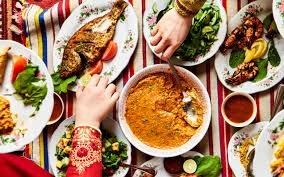
Thereed is an Emirati stew that’s as comforting as it is historic. Think of it as a blend between a curry and a hearty soup. It’s made with meat (lamb or chicken), potatoes, carrots, and courgettes, slow-cooked with garlic, ginger, and tomato-based spices.
What sets Thereed apart is the traditional bread – Raqaq – that’s placed at the bottom of the dish to soak up all the juicy stew. The bread becomes soft, flavourful, and utterly delicious.
Originally made by Bedouins during desert travels, Thereed is still a staple in Emirati homes today.
Khameer – Emirati Bread with a Twist
Khameer is not your average bread. Light, fluffy, and slightly sweet, it’s made with flour, yeast, sugar, milk, and a pinch of saffron or cardamom. What makes it special is the way it’s cooked – traditionally baked in a clay oven or pan-fried until golden.
Khameer is usually served with cheese, date syrup, or honey – and always with a cup of strong Arabic coffee on the side.
It’s more than bread. It’s part of the Emirati breakfast ritual and a reminder of home for many locals.
Regag – Crispy Crepe, Local Style
Regag is a paper-thin, crispy Emirati crepe cooked on a hot plate and usually topped with everything from eggs to cheese, fish sauce, or even Nutella.
It’s often made fresh at street food stalls or by local women during cultural festivals. Watching it being made is part of the fun – the dough is spread by hand, then cooked until crisp, folded, and handed to you piping hot.
Perfect as a snack, breakfast, or light dinner, Regag represents the UAE’s love for simple ingredients turned into something memorable.
Dango – The UAE’s Favorite Street Snack
Dango is a spicy chickpea snack that’s especially popular among younger Emiratis. Boiled chickpeas are seasoned with spices like chili, cumin, and lemon juice, then served in small cups – easy to carry and even easier to finish.
You’ll often find Dango being sold at seaside stalls or night markets. It’s a simple dish, but one that brings back childhood memories for many locals.
For visitors, it’s a flavour-packed surprise that shows how everyday ingredients can be elevated with just the right touch.

Camel Meat – A Bold Taste of the Desert
Yes, camel meat is a traditional Emirati delicacy, and no, it’s not as intimidating as it sounds. Tender, slightly sweet, and surprisingly lean, camel meat is usually served as part of celebratory feasts.
It’s often cooked in stews or grilled with spices. Some restaurants in Dubai and Abu Dhabi even offer camel burgers or biryani, giving the dish a modern twist.
Trying camel meat is a unique experience – a reminder of the Bedouin roots of the Emirates and the resilience of desert life.
Arabic Coffee and Dates – More Than Just a Welcome
No culinary journey through the UAE is complete without the iconic Arabic coffee (Gahwa) and dates. These aren’t just treats – they’re a symbol of hospitality.
Arabic coffee is brewed with cardamom and served without sugar in tiny cups. It’s always accompanied by fresh, sticky dates – a perfect contrast of bitter and sweet.
Whether you’re entering a traditional majlis or being welcomed into someone’s home, this simple yet elegant pairing sets the tone for warmth and generosity.
Why You Should Dive Into Emirati Cuisine
Trying Emirati food isn’t just about tasting something new – it’s about connecting with the roots of a country that has transformed rapidly while still holding onto its heritage.
Each dish tells a story of the desert, the sea, family, survival, and celebration. Whether you’re dining at a five-star hotel in Dubai or a small local café in Sharjah, the flavours will speak louder than any guidebook.
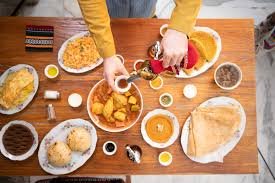
So, the next time you’re in the UAE, skip the familiar fast food chains and take a bite into something that has been crafted with tradition, care, and a deep love for the land.
Because when it comes to food, the UAE doesn’t just offer luxury – it offers legacy.
And trust us – your taste buds will thank you.
Do follow UAE Stories on Instagram
First-Time in Dubai? Discover These Incredible Global Food Gems