Ramadan is a sacred month for Muslims, marked by fasting, prayer, and reflection. However, beyond personal devotion, it serves as a vibrant backdrop for community bonding. At the center of this communal experience are mosques, which play a crucial role in fostering connections among individuals and families. This article delves into the role of mosques in community bonding during Ramadan, highlighting their significance in creating a sense of belonging and unity.
How Mosques Become Community Hubs During Ramadan
During Ramadan, mosques transform into bustling centers of activity. They become places where individuals gather not only for prayer but also for social interaction and community engagement. This transformation is a vital aspect of Ramadan, fostering stronger relationships among community members.
The daily Iftar, the meal to break the fast, is often hosted at mosques, enabling families and friends to come together. These communal meals not only nourish the body but also feed the soul, as they reinforce the ties that bind the community. Sharing food in a mosque creates an atmosphere of generosity and warmth, inviting everyone to participate.

The Spiritual and Social Dimensions of Mosques
Mosques serve dual purposes during Ramadan: they are places of worship and social gathering. This unique combination enhances the spiritual experience of the month by integrating community interaction with religious observance.
Speeches and lectures held in mosques during Ramadan often focus on themes of compassion, charity, and togetherness. These teachings inspire individuals to engage more deeply with one another, fostering an environment of support and understanding. As community members reflect on their shared faith, they also deepen their communal bonds, making the mosque a pivotal part of their Ramadan experience.

Engaging the Youth: Mosques as Learning Environments
In addition to serving adults, mosques play a crucial role in engaging the youth during Ramadan. Many mosques offer special programs aimed at younger generations, providing them with opportunities to learn about their faith and cultural heritage.
Workshops, discussions, and youth activities organized in mosques help foster a sense of belonging among young Muslims. These gatherings encourage them to form friendships and connect with their peers, creating a supportive network that extends beyond Ramadan. Through involvement in mosque activities, youth develop a sense of responsibility and pride in their community.
Building Bridges Through Volunteerism
Ramadan is a time for giving and reflection, and mosques often become the epicenter of charitable activities. Community members frequently come together to volunteer their time and resources, focusing on helping those in need.
Mosques coordinate food drives, fundraising events, and outreach programs, allowing individuals to contribute to the welfare of others. This collective effort not only addresses immediate needs but also strengthens the communal spirit. Volunteers develop meaningful relationships as they work side by side, united by a common purpose.
The Role of Tradition and Rituals
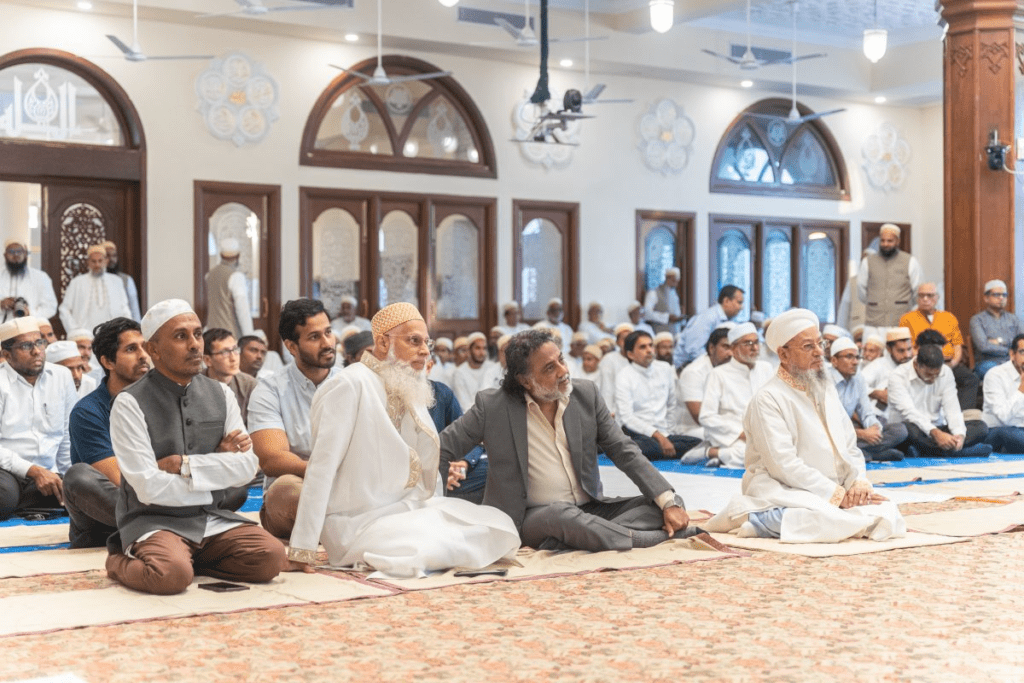
Traditions and rituals observed in mosques during Ramadan enhance the feeling of community bonding. Special prayers, such as Taraweeh, draw large congregations, creating an atmosphere of shared devotion.
These rituals are not merely religious obligations; they are communal experiences that allow individuals to connect with one another. The act of praying together fosters a sense of unity and reinforces the bonds of friendship and kinship among participants.
Fostering Inclusivity and Diversity
Mosques during Ramadan also promote inclusivity and diversity within the community. Many mosques welcome individuals from various cultural backgrounds, creating a rich tapestry of experiences and perspectives.
This inclusivity allows for the exchange of ideas and traditions, enriching the community’s understanding of Ramadan and its meanings. By embracing diversity, mosques foster an environment where everyone feels valued and accepted, further enhancing community bonding.
The Lasting Impact of Community Bonding
The community bonding that occurs in mosques during Ramadan has lasting effects that extend well beyond the month itself. The relationships formed and strengthened during this time often lead to lifelong connections, creating a supportive network that continues throughout the year.
As individuals engage with one another in meaningful ways, they cultivate a sense of belonging that enhances their overall well-being. This enduring bond encourages community members to support one another in times of need, reinforcing the idea that they are part of something larger than themselves.
Conclusion: The Essence of Community Through Mosques
In conclusion, the role of mosques in community bonding during Ramadan is multifaceted and profound. They serve as centers of spiritual growth, social interaction, and charitable engagement. By fostering connections among individuals, mosques create a strong sense of community that enriches the Ramadan experience for everyone involved.
As people gather in these sacred spaces, they strengthen the ties that unite them, making Ramadan a time of reflection, generosity, and togetherness. The impact of these communal bonds lasts long after the month has ended, reminding us of the power of community in our lives.
Do follow UAE Stories on Instagram.
Read Next – The Modern Ramadan Experience of Young Emiratis