
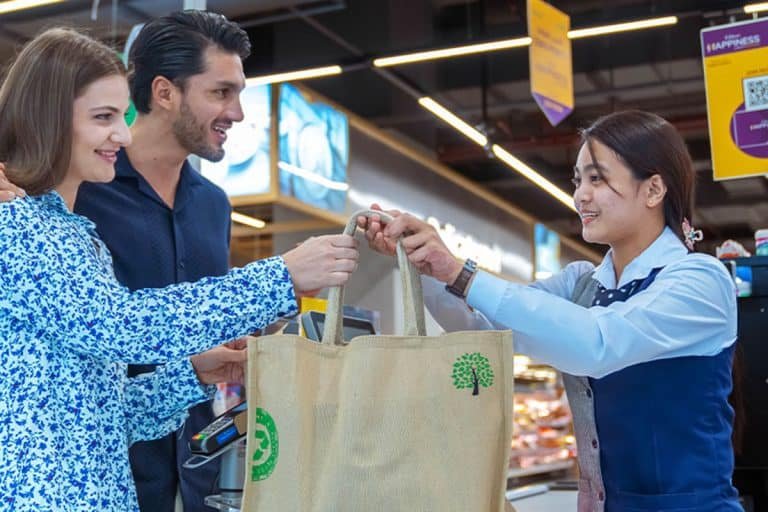
Rising Worries in the Aisles
Across the Middle East, a growing number of shoppers are voicing concern over soaring grocery prices. Families are feeling the squeeze as the cost of everyday essentials like fruits, vegetables, dairy, and household staples continues to climb. From Dubai’s bustling supermarkets to neighborhood shops in Riyadh and Amman, consumers are adjusting not just their shopping habits, but their lifestyles.
What was once a routine weekly chore has now become a strategic mission. More and more shoppers are walking into stores with calculators, discount apps, and a new level of alertness to price tags. The rising cost of living, driven by complex global and regional factors, is leading to real anxiety over how much longer family budgets can stretch.
What’s Causing the Surge?
Many believe that geopolitical tensions, global tariffs, and regional trade disruptions are among the culprits driving up costs. These external forces have led to increased shipping rates, supply shortages, and additional taxes on imported goods. As a result, prices are trickling down to the retail level, hitting consumers where it hurts most—the grocery aisle.

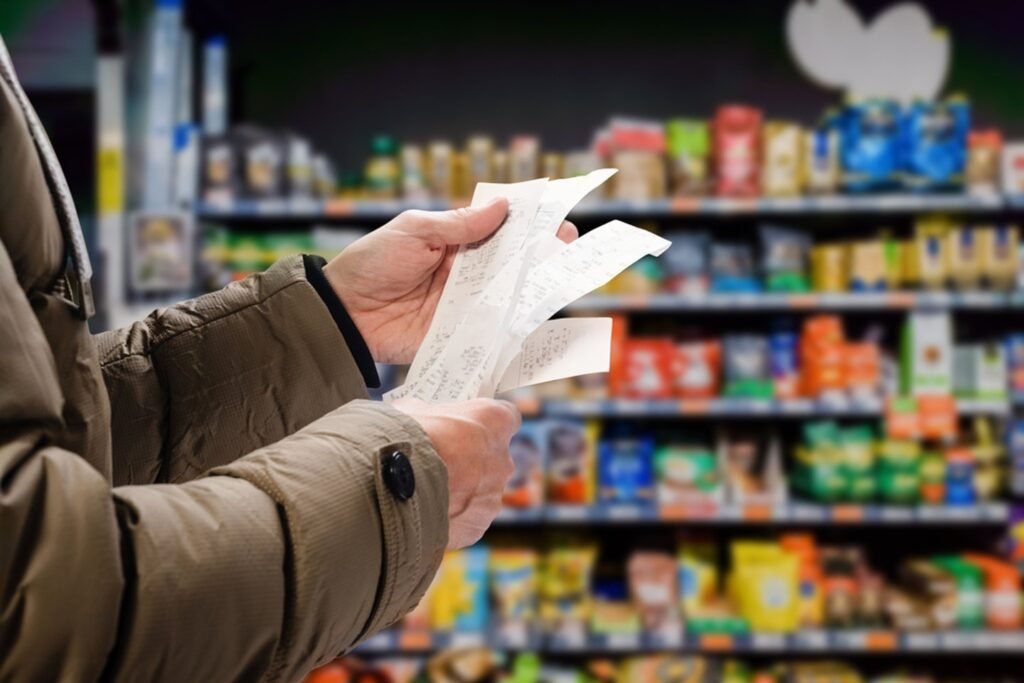
But it’s not just international dynamics at play. Local economic shifts, seasonal trends, and weather-related disruptions to agriculture are also having an effect. Shoppers in the Middle East are especially sensitive to these fluctuations, as many rely on imported goods to stock their pantries.
Changing Spending Habits
Faced with higher prices, consumers across the region are rethinking how and where they spend. Discretionary purchases—like clothing, dining out, and streaming services—are being slashed in favor of more essential items. Entertainment budgets are being redirected toward food, and even within groceries, many are switching to cheaper brands, local products, and promotional deals.

A noticeable trend is the rise of bulk buying. Consumers are stocking up when items go on sale, buying in larger quantities to save money over time. Many are also opting for frozen alternatives to fresh produce or choosing shelf-stable items that last longer and reduce food waste.
The Rise of Smart Shopping
Today’s Middle Eastern consumer is far more price-savvy than just a few years ago. They are comparing prices across stores, using digital tools to track discounts, and actively seeking out the best value for their money. Online platforms that offer price comparisons, coupons, and cashback have seen a surge in usage.
Another significant shift is the embrace of private-label or store-brand products. These items are often cheaper than big-name brands and are increasingly being perceived as high-quality alternatives. Retailers are responding by expanding their private-label offerings and highlighting them more prominently in stores.
Consumers Turn to Digital Solutions
Digital tools and e-commerce platforms are becoming vital in the shopping experience. Many consumers are planning their grocery runs online before stepping foot in a store. They’re comparing prices, making lists, and even placing orders digitally to avoid impulse purchases and stick to their budgets.
Apps that track grocery spending, notify users of discounts, or recommend recipes based on available ingredients are more popular than ever. This tech-savvy approach is giving people a sense of control during uncertain times, helping them stretch their budgets further while minimizing waste.
Emotional and Social Impact
Beyond budgets and apps, there’s a deeper emotional toll. Parents are expressing guilt over having to say no to snacks or treats for their children. Young adults are delaying plans to move out or live independently, as household expenses rise. Even social gatherings are being scaled back, with friends and families choosing potlucks or home-cooked meals over restaurant outings.
Despite the financial strain, communities are also pulling together. Sharing tips, recipes, and shopping hacks has become common across social media and neighborhood groups. There’s a sense of solidarity in the struggle, with people offering support and practical advice to each other.
Retailers Adapt to the New Normal
Retailers in the region are not standing still. They’re shifting their strategies to meet changing consumer expectations. This includes expanding discount aisles, offering combo deals, and stocking more affordable options. Some are also investing in AI-powered inventory management systems to predict demand more accurately and avoid waste that drives up prices.
Online grocery platforms are offering subscription models, loyalty programs, and delivery discounts to maintain customer loyalty. Brick-and-mortar stores, meanwhile, are investing in customer service and better in-store experiences to keep shoppers engaged.
Many retailers are also promoting sustainability alongside affordability—encouraging shoppers to buy reusable bags, reduce food waste, and support local produce, which often has a smaller carbon footprint and a lower price tag.
A New Era of Grocery Mindsets
The grocery cart has become a symbol of broader economic anxiety—but also of resilience. Middle Eastern consumers are not passively accepting inflated prices; they are actively adjusting, innovating, and finding new ways to thrive. The shift in consumer behavior may outlast the inflation crisis itself, with lasting impacts on how people think about food, consumption, and value.
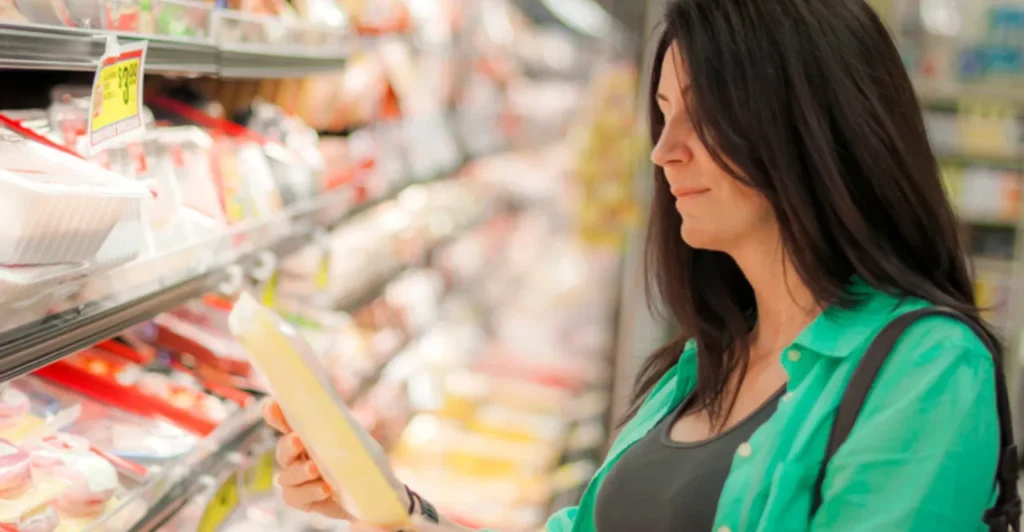
The modern grocery mindset is not just about survival—it’s about smart adaptation. Whether it’s switching brands, leveraging technology, or building a more sustainable household routine, consumers are finding ways to make it work.
What Comes Next?
Looking ahead, inflation may continue to pressure the region’s grocery markets. But with digital innovation, consumer empowerment, and evolving retail strategies, there is a strong foundation for adapting to the changes. Governments and policymakers may also play a role in supporting food affordability, whether through subsidies, tariffs adjustments, or local agricultural investment.
For now, the message from the aisles is clear: Middle Eastern consumers are concerned—but not helpless. They are meeting inflation head-on with creativity, community, and a sharp eye for value.
Do follow UAE Stories on Instagram
Read More: Fakeeh Care Secures $250M Facility from Alinma Bank