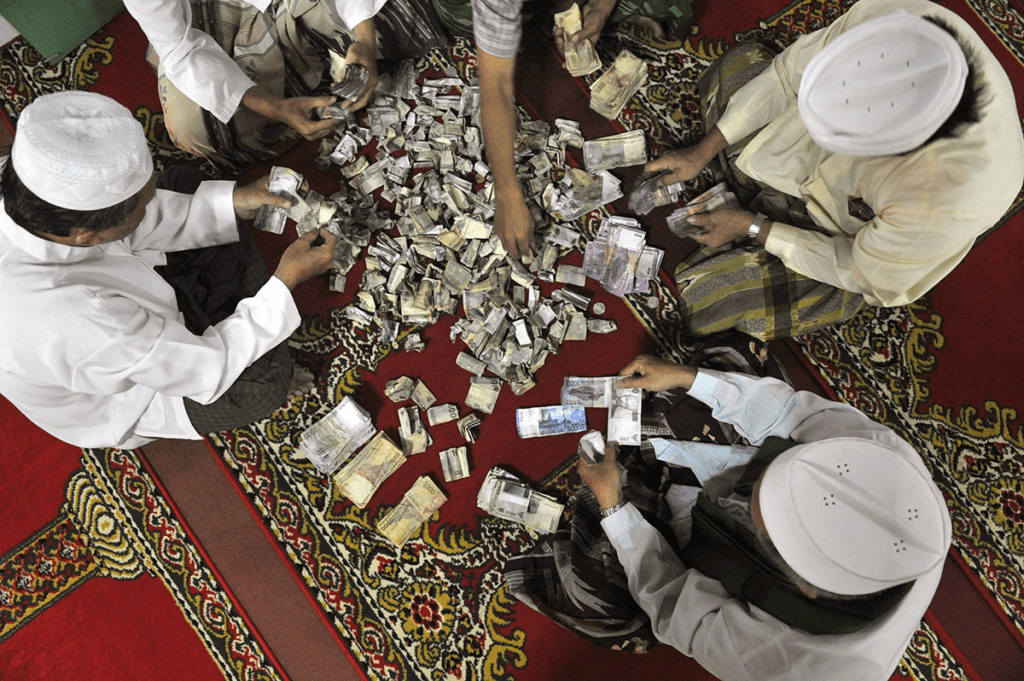
In a world increasingly focused on material wealth and individual success, the essence of giving remains a cornerstone of many cultures. In the UAE, understanding the meaning of Zakat and charity provides insight into the very fabric of society, where generosity and compassion play pivotal roles. For many residents and citizens, these concepts are not just religious obligations; they’re integral to community well-being and social cohesion.
What is Zakat and Its Significance?
Zakat, often translated as “almsgiving,” is one of the Five Pillars of Islam, symbolizing a commitment to community welfare. The term itself comes from the Arabic root word “z-k-a,” which means to purify or to grow. This highlights the dual purpose of Zakat: to purify one’s wealth and help those in need.
In a society like the UAE, where wealth can be significant, Zakat serves as a reminder of the responsibility that comes with prosperity. The act of giving a portion—typically 2.5% of one’s accumulated wealth—ensures that resources circulate within the community, fostering empathy and support for those less fortunate.

Charity: A Cultural Pillar Beyond Religion
While Zakat is specifically Islamic, the concept of charity extends beyond religious boundaries in the UAE. Emirati society embraces a culture of giving, reflected in various philanthropic initiatives and community programs. Organizations, both governmental and non-governmental, encourage charitable acts, creating an environment where generosity thrives.
Charity in the UAE manifests in numerous ways, from food drives and educational scholarships to healthcare initiatives. This culture is deeply ingrained, with many families participating in charitable activities as a means of passing down values of compassion and social responsibility to younger generations.

The Role of Zakat and Charity in Economic Empowerment
Understanding the meaning of Zakat and charity in the UAE also involves recognizing their economic implications. Zakat not only aids the needy but can also stimulate local economies. By redistributing wealth, Zakat helps create a more balanced economic landscape, offering support to small businesses and families who might otherwise struggle.
Moreover, charitable initiatives often focus on empowering individuals through education and vocational training. This approach aligns with the UAE’s vision of fostering a knowledge-based economy, where everyone has the opportunity to contribute meaningfully to society.
Community Initiatives: Bridging the Gap
In the UAE, numerous organizations and initiatives embody the spirit of Zakat and charity. The Sheikh Mohammed bin Rashid Al Maktoum Foundation and the Dar Al Ber Society are just a few examples of groups dedicated to philanthropic efforts. These organizations play a crucial role in bridging the gap between wealth and need, ensuring that aid reaches those who require it most.
Through various campaigns, these institutions raise awareness about the importance of giving and how Zakat can positively impact communities. The efforts often extend beyond financial aid, focusing on long-term solutions to poverty and inequality.
The Impact of Zakat and Charity on Social Cohesion
The UAE is home to a diverse population, with individuals from various cultural and religious backgrounds. The meaning of Zakat and charity transcends religious lines and fosters a sense of unity among the residents. When individuals come together to support a common cause, they create bonds that strengthen the community as a whole.
Charitable events often serve as opportunities for people to connect, share stories, and build friendships. These gatherings, whether in the form of fundraisers or volunteer days, reinforce the idea that everyone has a role to play in uplifting society.
Contemporary Challenges and Opportunities
While the spirit of Zakat and charity remains strong in the UAE, contemporary challenges persist. Economic fluctuations and global crises can impact the ability of individuals to give, and the needs of the community may evolve. However, these challenges also present opportunities for innovation in how charity is approached.
Digital platforms have emerged as powerful tools for facilitating charitable giving, allowing residents to contribute conveniently and transparently. Crowdfunding and online donation platforms are becoming increasingly popular, enabling a new generation of givers to engage in philanthropy.
The Future of Zakat and Charity in UAE Society
Looking ahead, the meaning of Zakat and charity will likely continue to evolve within the UAE. As new generations take on leadership roles in both business and community, their unique perspectives on philanthropy will shape future practices.
Moreover, as the UAE positions itself on the global stage, the principles of Zakat and charity could inspire other nations to adopt similar practices, emphasizing the importance of giving back to society.
Conclusion: Embracing the Spirit of Generosity
In conclusion, the understanding of the meaning of Zakat and charity in UAE society encompasses both religious devotion and cultural values. It highlights the importance of community, compassion, and social responsibility—principles that are essential in today’s fast-paced world.
As the UAE continues to thrive, the spirit of generosity will remain a guiding force, uniting individuals and fostering a society where everyone can flourish together.
Do follow UAE Stories on Instagram
Read Next – Emirati Families and the Beautiful Traditions of Ramadan