

Lucid Motors, Nuro, and Uber have announced a major partnership to launch 20,000 autonomous robotaxis in U.S. cities. Supported by a $300 million investment, this collaboration is expected to change the future of urban transportation by combining Lucid’s electric vehicle designs, Nuro’s autonomous technology, and Uber’s ride-hailing platform.
This new alliance brings Lucid Nuro Uber robotaxis into the spotlight as a major step forward in the evolution of self-driving cars. As competition in the autonomous vehicle industry heats up, this partnership could offer one of the most advanced robotaxi services in the world.
Let’s explore why these companies joined forces, what the robotaxis will be like, and how this move could impact passengers, cities, and the wider automotive industry.

Why Lucid, Nuro, and Uber Teamed Up
At first, this may seem like an unusual combination of companies, but each plays an important role.
Lucid Motors is well known for its high-performance electric vehicles. It brings advanced battery technology, clean design, and EV manufacturing expertise to the partnership.

Nuro specializes in self-driving delivery vehicles. The company focuses on robotics and artificial intelligence, giving it the tools needed to power fully autonomous vehicles.
Uber contributes its global ride-hailing platform. With millions of users and a proven app, Uber is the connection between these new robotaxis and the passengers who will ride them.
Together, these companies aim to offer a transportation experience that is clean, safe, efficient, and available on demand. It’s not about competing with one another, but about combining their strengths to change how people move through cities.
Breaking Down the $300 Million Investment
To make this vision a reality, the three companies have jointly raised $300 million. This funding will be used to:
- Develop and test the next generation of autonomous vehicles
- Build charging and maintenance infrastructure
- Navigate legal and regulatory requirements
- Expand production and prepare cities for large-scale deployment
The size of this investment shows how committed these companies are to launching a large fleet of Lucid Nuro Uber robotaxis. It also puts them ahead of many other projects in the autonomous vehicle space.
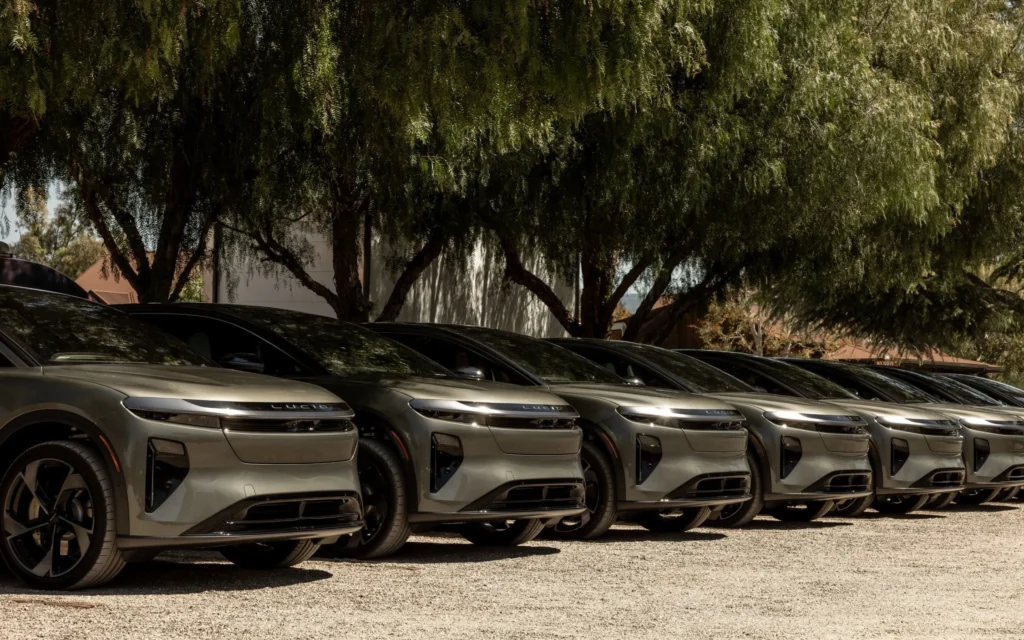
What to Expect from the 20,000 Robotaxis
These won’t be ordinary cars with added sensors. Instead, they will be purpose-built autonomous electric vehicles created from scratch for safety and efficiency.
Some of the key features include:
- Electric-only design with long-range batteries
- No steering wheel or pedals, creating more passenger space
- AI systems for navigating traffic and road conditions
- Full sensor coverage, including LiDAR, radar, and cameras
- Modern interiors with comfortable seating, Wi-Fi, and climate control
The vehicles are designed to run nearly nonstop, only stopping for charging and maintenance. This allows for better ride availability and shorter wait times, especially in busy urban areas.
How the Robotaxis Will Work
Using the robotaxi will feel very familiar to current Uber users. Here’s how it might work:
You open the Uber app and select the option for an autonomous ride, if it’s available in your area. The vehicle arrives, and you confirm your identity through a passcode or a facial scan. The vehicle then drives itself to your chosen destination, following traffic laws and navigating through city streets using advanced AI.
You can monitor the trip through the app, contact support if needed, and provide feedback at the end of the ride. Early on, human operators will monitor trips remotely and can assist the vehicle in difficult situations.
Impact on the Ride-Hailing Industry
The rollout of robotaxis could mark a major turning point for the ride-hailing business.
Autonomous vehicles can lower operating costs since there are no driver wages involved. This could also result in lower prices for passengers. Additionally, robotaxis can operate 24 hours a day, helping to reduce wait times during busy periods.
Another benefit is the environmental impact. Because these vehicles are fully electric, they contribute to lower emissions and better air quality in cities.
Uber plans to continue working with human drivers, especially for trips that are longer or more complex. However, the introduction of robotaxis could shift the balance between human and automated rides over time.
Safety and Regulatory Challenges
While the technology is advancing quickly, safety remains a top priority. Autonomous vehicles must follow all traffic rules, handle unpredictable situations, and protect both passengers and pedestrians.
The companies will need to work closely with city and state governments to get approvals. Pilot programs are likely to begin in places like California, Texas, and Arizona, where laws are more open to autonomous vehicle testing.
Each robotaxi trip will be monitored remotely, and support will be available at all times to help with emergencies or system errors. The goal is to build public trust by proving that these vehicles can operate safely at scale.
Job Market and Economic Effects
One of the most discussed concerns about robotaxis is the potential impact on driving jobs. While there may be fewer traditional driver roles, the project could also create new kinds of jobs.
These might include:
- Remote vehicle operators and safety monitors
- Maintenance and service technicians for the autonomous fleet
- Charging station operators and logistics planners
- Engineers and software developers working on vehicle systems
Uber has suggested that it will offer retraining programs for current drivers who want to move into new roles in the AV space. The hope is that these jobs will be more stable and better paid in the long run.
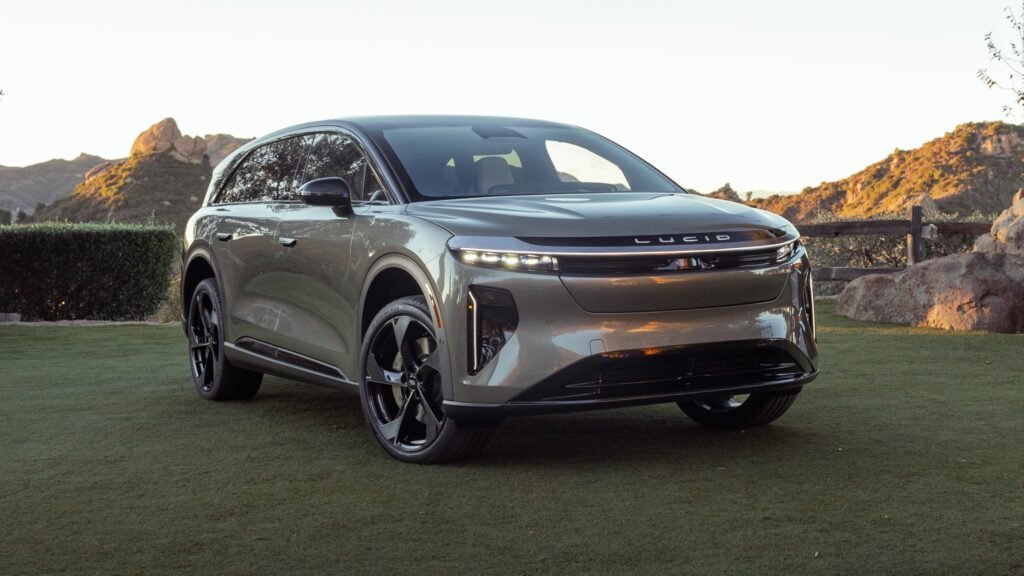
The Bigger Picture: Future of Autonomous Travel
This partnership doesn’t just change ride-hailing. It could also have a major effect on how cities are designed and how people interact with transportation.
Robotaxis could reduce the need for parking lots, free up road space, and encourage smarter traffic planning. They also offer new mobility options for people who can’t drive, such as the elderly or disabled.
Electrification means cleaner air and fewer greenhouse gas emissions. And with a fleet that never sleeps, people can move through cities faster and more efficiently.
In the long run, Lucid Nuro Uber robotaxis could become the foundation for a much larger ecosystem of self-driving services, including delivery, public transport, and personal mobility on demand.
Conclusion: Driving Forward Together
The announcement that Lucid, Nuro, and Uber will launch 20,000 robotaxis backed by a $300 million investment represents a bold move into the future of transportation. Each company contributes essential technology and expertise, and together they offer a complete solution for modern mobility.
The introduction of Lucid Nuro Uber robotaxis could make urban travel greener, faster, and more accessible. While there are challenges ahead, from safety concerns to job transitions, the overall direction is clear.
Autonomous, electric, on-demand vehicles are no longer a distant dream. They are becoming a reality, and they may be coming to a street near you very soon.
Do follow UAE Stories on Instagram
Read More: Etihad Airways Unveils Powerful New Corporate Travel Portal