Jebel Yibir stands as a symbol of natural power and quiet majesty in the northern United Arab Emirates. Rising above the rugged Hajar Mountains, it is officially recognized as the highest peak in the country. While the UAE is globally known for its futuristic skylines and desert landscapes, Jebel Yibir tells a different story—one of altitude, cooler air, and dramatic mountain terrain that feels worlds away from the coastal cities.
Located in the emirate of Ras Al Khaimah, Jebel Yibir represents the raw, untamed side of the nation’s geography. Its elevation, remote setting, and historical relevance make it a landmark not only for geographers but also for travelers seeking a deeper connection with the land.
Geographic Location and Elevation
Jebel Yibir is situated in the northeastern part of the UAE, within the Hajar Mountain range that stretches across Oman and the Emirates. The mountain reaches an elevation of approximately 1,934 meters above sea level, making it the highest natural point in the UAE. This distinction was confirmed through detailed topographic surveys conducted during the late 20th century, particularly after improved satellite mapping in the 1990s.

Its high altitude gives Jebel Yibir a unique climate compared to the surrounding lowlands. Temperatures at the summit are often significantly cooler, especially during the winter months, when readings can drop below 10°C. This cooler environment has historically made the mountain an important site for climate monitoring and military observation.
Historical Significance and Early Records
The historical importance of Jebel Yibir became more pronounced during the 20th century. In the 1950s and 1960s, British surveyors and military units operating in the Trucial States identified the peak as a strategic high point due to its visibility across large parts of northern UAE and the Gulf of Oman.

In 1976, shortly after the formation of the United Arab Emirates in 1971, Jebel Yibir gained renewed attention as part of national mapping and infrastructure planning. Its summit was used for communication and observation purposes, and access routes were gradually improved for official use. These developments helped establish the mountain’s role in the country’s modern history while preserving its largely untouched natural character.
Natural Landscape and Environment
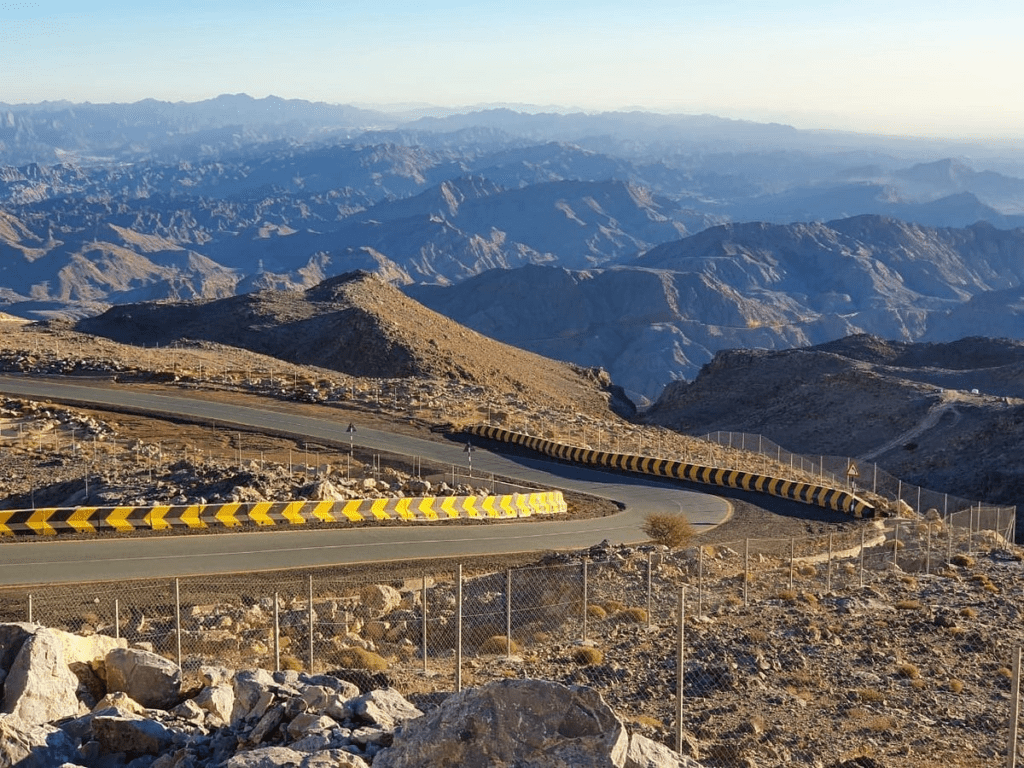
The environment of Jebel Yibir is defined by sharp ridges, rocky slopes, and sparse but resilient vegetation. Unlike the sandy deserts of the interior, the mountain’s terrain is dominated by limestone and ophiolite rock formations formed millions of years ago. These geological features offer insight into the ancient tectonic activity that shaped the Arabian Peninsula.
Plant life around Jebel Yibir includes hardy shrubs and grasses adapted to limited rainfall. During wetter periods, typically between December and March, small patches of greenery appear, adding subtle color to the otherwise rugged landscape. The area also supports wildlife such as mountain goats, foxes, and a variety of bird species that thrive in high-altitude conditions.
Climate and Weather Patterns
Jebel Yibir is known for having one of the coolest climates in the UAE. Meteorological data collected since the 1980s shows that temperatures at the summit can be 10 to 15 degrees cooler than coastal areas like Ras Al Khaimah city. In January 2004, the mountain recorded one of the lowest temperatures ever observed in the UAE, highlighting its unique microclimate.
Fog is a common occurrence, particularly in the early mornings, creating dramatic views and reducing visibility. This phenomenon has made Jebel Yibir an important location for weather observation and atmospheric studies over the decades.
Access Routes and Infrastructure
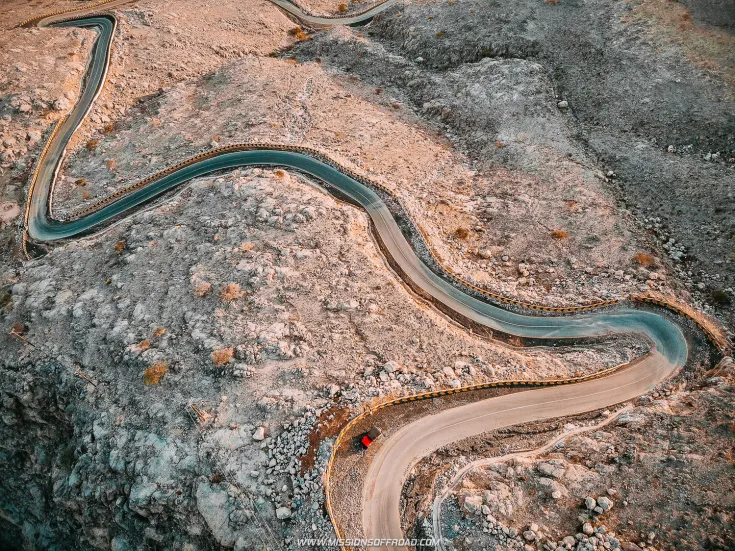
Access to Jebel Yibir has improved steadily since the early 2000s. A paved mountain road now allows vehicles to reach near the summit, making it one of the most accessible high-altitude locations in the country. This road was developed primarily for telecommunications and security installations but has since become popular with visitors seeking panoramic views.
Despite improved access, the mountain retains a sense of isolation. There are no commercial developments at the summit, and visitors are encouraged to respect the natural environment. The journey itself, with winding roads and dramatic elevation changes, is considered part of the experience.
Tourism and Visitor Experience
While not as commercially promoted as other UAE landmarks, Jebel Yibir has quietly become a favorite among nature lovers, photographers, and adventure seekers. Sunrise and sunset views from the mountain are particularly striking, offering sweeping vistas of valleys, distant coastlines, and layered mountain ranges.
Hiking opportunities exist for experienced trekkers, though most visitors prefer to explore by vehicle due to the steep and rocky terrain. Camping is possible in designated areas, especially during cooler months, providing a rare chance to experience star-filled skies far from city lights.
Cultural and Symbolic Importance
For the people of Ras Al Khaimah, Jebel Yibir holds cultural significance as a symbol of endurance and natural strength. Long before modern roads were built, local communities viewed the mountain as a protective presence overlooking the region. Oral traditions and local stories often reference the high peaks as places of reflection and survival.
In the broader national context, Jebel Yibir represents the geographic diversity of the UAE. It challenges the common perception of the country as flat and desert-only, reminding residents and visitors alike of the rich natural contrasts within its borders.
Jebel Yibir in Modern UAE Identity
Today, Jebel Yibir stands as a quiet counterbalance to the rapid urban development seen elsewhere in the UAE. As sustainability and environmental awareness grow, the mountain is increasingly valued for its untouched beauty and scientific importance. Conservation efforts focus on limiting overdevelopment while allowing controlled access for research and responsible tourism.
Jebel Yibir is more than just the highest peak in the UAE. It is a place where history, geology, climate, and culture intersect. For those willing to venture beyond the familiar skylines, it offers a powerful reminder of the country’s natural roots and enduring landscapes.
Do follow UAE Stories on Instagram
Read Next – Al Mirfa Beach Delivers Pure Beauty Without the Crowds