A Milestone Partnership with Global Impact
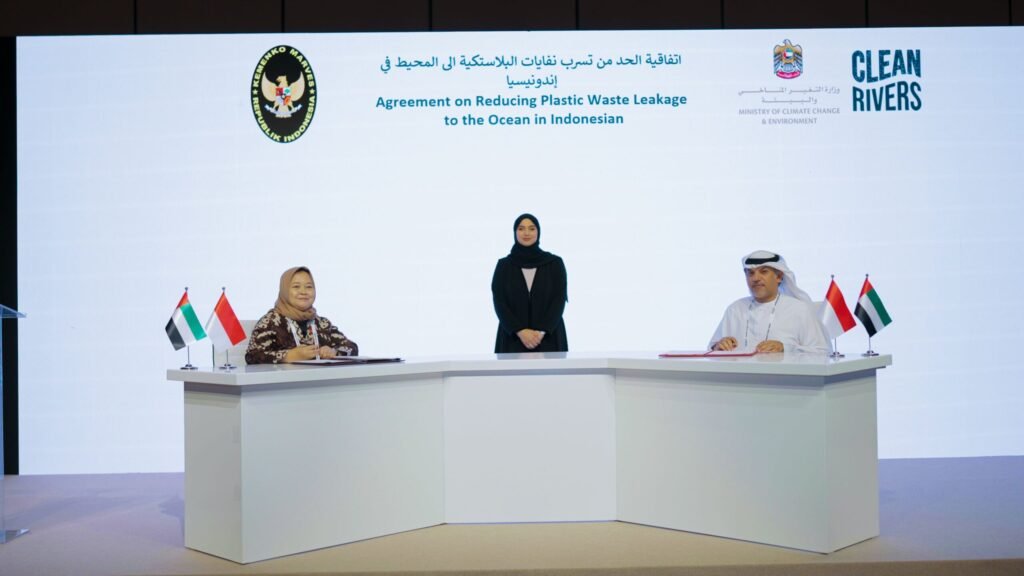
Indonesia and the United Arab Emirates (UAE) have stepped up with a fresh, powerful collaboration targeting plastic waste in Surabaya’s rivers. Away from cold diplomatic terms, this initiative resonates as a human‑centric movement: governments mobilizing communities, NGOs, and innovation to rejuvenate the “City of Heroes.”
Backed by UAE’s Clean Rivers fund and coordinated with Indonesia’s maritime and investment ministry, this partnership translates ambition into action.
Why Surabaya Matters
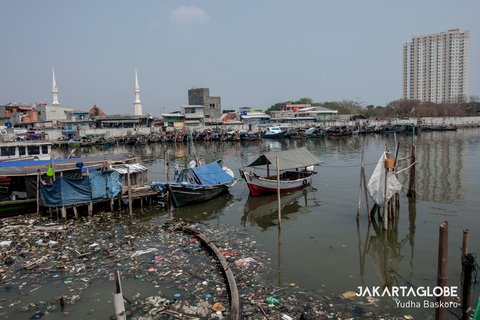
Surabaya, Indonesia’s second‑largest metropolitan area with nearly 10 million residents, faces mounting environmental pressures. Although known for relatively clean urban spaces and progressive green policies , its rivers—lifelines for commerce, public health, and culture—are under siege from plastic pollution.
Three Pillars of Impact
1. Ambitious Cleanup Goals
The Indonesia-UAE collaboration pledges to remove 5,000 tons of river plastic over three years, spanning major waterways in East Java, including Surabaya’s Kali Mas and Porong. Aligned with a broader $20 million commitment, this is part of a concerted campaign to stem ocean-bound plastic.

2. Circular Economy & Sustainable Infrastructure
This project isn’t just about picking up debris—it’s about weaving plastic into value. From riverbank clean-up crews to recycling hubs powered by local ingenuity, the initiative champions circular-waste solutions. UAE’s Clean Rivers and Project STOP are rolling out pilot recycling plants and training programs, notably the Banyuwangi model slated for replication in Surabaya.
3. Empowering Local Champions
Real transformation happens at the grassroots—households, informal waste collectors, small entrepreneurs. Based on recent studies, residents’ belief in their ability to manage waste is the strongest driver of action . Leveraging that insight, the initiative funds educational campaigns, community clean-ups, and even waste-to-income schemes.

Voices Behind the Vision
- Nani Hendiarti, Deputy for Environmental & Forestry Coordination, called this a “new milestone” reaffirming trust and vision between nations.
- Deborah Backus, CEO of Clean Rivers, emphasized that “community empowerment is key”—a sentiment echoed across every project touchpoint .
Resonating with Google Trends
Recent Google Trends in Indonesia show a surge of interest in “river cleanup,” “plastic recycling,” and “Surabaya environment”. This uptick signals public readiness for deeper environmental investments—perfect timing for the Indonesia-UAE initiative to capture hearts and minds.
Roadmap: From Promise to Real Results
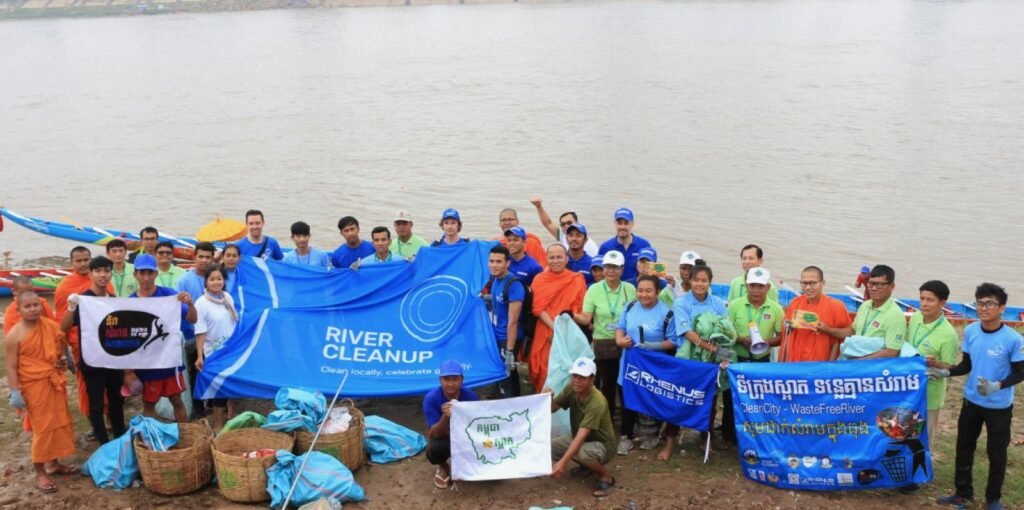
- River Cleanup Operations – Deploy boats, crews, and trash-interceptor tools along Kali Mas and Porong.
- Recycling & Processing Clusters – Launch micro-enterprises converting waste into raw materials, creating local jobs.
- Behavioral Change Drives – Eco-education in schools and neighborhoods, supported by incentives like “trash banks” or reuse credits.
- Data-Driven Monitoring – Transparent dashboards and community reporting ensure accountability and public trust.
Human Stories: Lives Transformed
- In Banyuwangi, Clean Rivers and Project STOP enabled local workers to manage waste infrastructure—a model generating hundreds of green jobs.
- Across Indonesian villages, “trash banks” allow people to exchange plastic for money—transforming rubbish into empowerment .
Imagine Surabaya replicating this: household waste collectors earning a stable income, children proud of living alongside clean canals, and families drinking river water without fear.
Why This Matters—Globally
Indonesia ranks second worldwide—after China—for plastic leakage into oceans, accounting for around 10 % of global mismanaged plastic waste . A successful Surabaya model isn’t just a local win—it sends a message of hope and partnership for developing cities across Asia.
The Bigger Picture: Global Leadership, Local Action
- UAE shows global climate solidarity, using its philanthropy to catalyze change in partner nations.
- Indonesia demonstrates human‑scale innovation, integrating top-down support with bottom-up ownership.
- Communities gain agency, transforming from victims of pollution to stewards of sustainability.
Next Steps & Measuring Progress
- Public engagement: Town halls and surges in civic clean‑ups will keep momentum local and inclusive.
- Policy support: Stronger municipal backing—like expanded plastic bans or incentive schemes—will solidify gains.
- Impact metrics: Annual updates on tons cleared, jobs created, recycling volume, and river health parameters.
Final Thoughts
This Indonesia‑UAE partnership is more than a cleanup campaign—it’s a blueprint for future‑ready ecosystems powered by cooperation, innovation, and human dignity. With clear goals, community-driven action, and international backing, Surabaya stands poised to transform its rivers—and inspire global change.
Do follow UAE Stories on Instagram
Unlock Limitless Travel: New GCC Visa Covers UAE, Saudi, Oman!