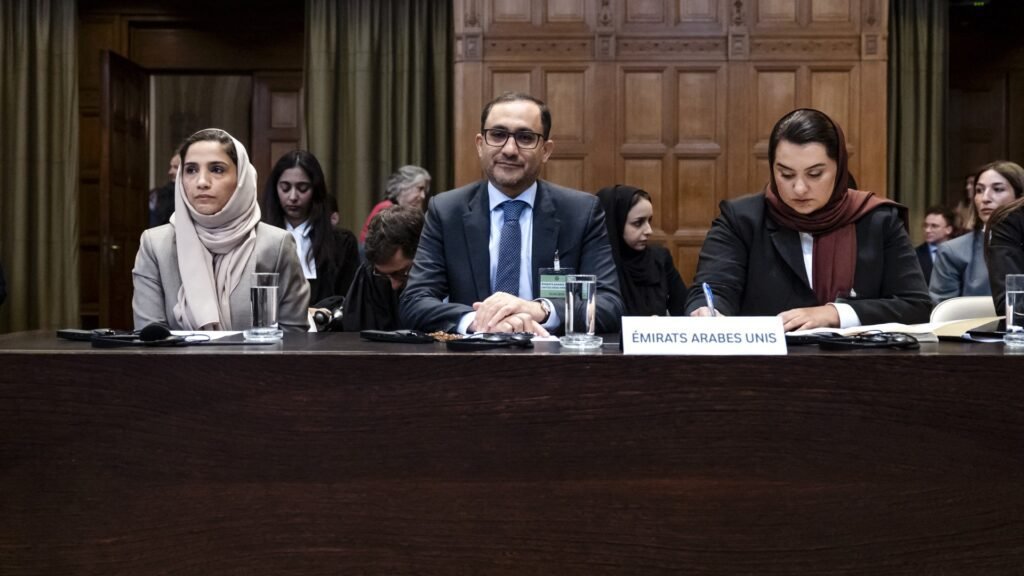
In early 2025, Sudan lodged a case against the United Arab Emirates (UAE) at the International Court of Justice (ICJ), accusing the UAE of violating the Genocide Convention by allegedly providing support to the Rapid Support Forces (RSF), a militia group linked to ethnic violence and genocidal acts in Darfur. The Sudanese government contends that the UAE’s assistance has played a pivotal role in exacerbating the human rights violations, including the targeted killings of civilians in West Darfur, particularly the Masalit ethnic group. As the ICJ evaluates the admissibility of the case, Sudan’s plea has garnered widespread attention, with international legal experts urging the court not to dismiss the case on technical grounds related to jurisdictional issues.
The ICJ’s eventual ruling could have far-reaching implications, not only for Sudan and the UAE but for international law itself, especially in terms of how it addresses state complicity in genocide and the enforcement of international conventions. This article delves into the case, exploring Sudan’s allegations, the UAE’s defense, the legal technicalities surrounding jurisdiction, and the broader consequences for global justice.
The Genesis of the Case
The dispute began against the backdrop of escalating violence in Sudan’s Darfur region, particularly in West Darfur, where the RSF, once a militia formed to suppress rebellion, has been implicated in widespread atrocities against civilians. The Masalit people, a minority ethnic group, have borne the brunt of the violence, with accusations of mass killings, sexual violence, and displacement. Sudan’s case against the UAE alleges that the UAE has been complicit in these crimes by offering military and financial support to the RSF, despite the group’s notorious record of human rights violations.

Sudan’s claims focus on the argument that the UAE’s actions amount to “direct and indirect assistance” in the commission of genocidal acts, violating the 1948 Genocide Convention, to which both Sudan and the UAE are parties. The UAE, however, has denied the accusations, asserting that it has provided no support to the RSF and has no responsibility for the violence in Darfur. According to the UAE, Sudan’s allegations are politically motivated and aimed at deflecting attention from internal issues within Sudan itself.
Despite the UAE’s denial, the case raises significant questions about the role of external states in fueling conflicts in foreign countries. As the ICJ considers the allegations, the legal complexities of the case grow more apparent, particularly with respect to the issue of jurisdiction.

Jurisdiction and Reservations: The UAE’s Legal Defense
One of the central challenges in this case is the issue of jurisdiction. The UAE has made a reservation to Article IX of the Genocide Convention, which grants the ICJ the authority to adjudicate disputes between state parties to the convention. This reservation means that the UAE has not consented to the ICJ’s jurisdiction in matters related to genocide under this specific provision.
Article IX states that disputes between states over the interpretation or application of the Genocide Convention may be submitted to the ICJ, but this submission requires the consent of all parties involved. The UAE’s reservation effectively removes that consent, potentially complicating Sudan’s case. The UAE has argued that, under international law, the court cannot proceed with Sudan’s claims unless the UAE consents to the ICJ’s jurisdiction in this matter.
For Sudan, this reservation presents a significant hurdle. The case could be dismissed if the ICJ determines that it lacks jurisdiction due to the UAE’s reservation. This is where the legal complexities deepen, as Sudan’s legal team argues that the core issues of the case, including the grave allegations of genocide, outweigh the procedural concerns of jurisdiction.
Legal Experts Call for Judicial Prudence
In light of the UAE’s reservation and the potential for procedural dismissal, a group of international legal scholars and former judges has intervened, urging the ICJ to give precedence to the substantive issues of genocide over technicalities. These experts argue that the ICJ’s role is to enforce international law, particularly the Genocide Convention, and that procedural barriers should not prevent the court from addressing the merits of the case.
Their call is based on the principle that the ICJ’s mandate is to prevent impunity for crimes of international concern, such as genocide. They contend that dismissing the case on jurisdictional grounds would send a dangerous message to other states, suggesting that they can avoid accountability for complicity in genocide by invoking technicalities. Such a decision could undermine the credibility of the Genocide Convention and the ICJ’s ability to enforce its provisions.
The legal experts also argue that the court’s refusal to hear the case could embolden other states to use similar reservations as a shield against accountability, thereby eroding global efforts to combat and prevent genocide. In this light, Sudan’s case presents a critical test for the ICJ’s commitment to the prevention of genocide and the protection of human rights.
The Broader Implications for International Justice
The case between Sudan and the UAE is not just about the specific allegations of genocide in Darfur. It represents a broader challenge to the international legal system’s ability to hold states accountable for actions that contribute to or facilitate atrocities abroad. This case could set a precedent for future disputes involving state complicity in genocide, particularly where one of the parties has made a reservation to the ICJ’s jurisdiction.
If the ICJ rules in Sudan’s favor, the court could establish that even with reservations to specific provisions of international treaties, states can still be held accountable for violating fundamental principles of international law, such as the prohibition of genocide. Such a ruling would reinforce the principle that no state, regardless of its reservations, is above the law when it comes to protecting vulnerable populations from mass atrocities.
Conversely, a ruling in favor of the UAE, dismissing the case on procedural grounds, would have the opposite effect. It would strengthen the argument that reservations to international treaties can be used as a legal shield to avoid responsibility for complicity in genocide and other international crimes. This would pose a serious challenge to the effectiveness of international institutions in addressing state-sponsored atrocities.
The Global Response to Sudan’s Allegations
Sudan’s case has already garnered significant international attention, with various governments and human rights organizations calling for a thorough examination of the allegations. The United States, which has already labeled the violence in Darfur as genocide, has expressed support for Sudan’s efforts to seek justice through the ICJ. Similarly, the European Union has condemned the UAE’s role in the conflict, though it remains cautious about the legal technicalities that could derail the case.
International human rights groups have praised Sudan for taking the step of filing a case at the ICJ, viewing it as an important move in the fight against impunity for genocide. However, these groups have also expressed concerns about the potential for the case to be dismissed on jurisdictional grounds, which they believe could undermine international efforts to prevent future genocides.
Conclusion: The Path Ahead
As the ICJ deliberates on the admissibility of Sudan’s genocide case against the UAE, the global community awaits the court’s decision with great interest. A ruling that upholds the case and allows it to proceed to the merits would send a powerful message about the importance of holding states accountable for their complicity in international crimes. It would also reinforce the role of the ICJ in safeguarding human rights and preventing genocide.
On the other hand, a dismissal on technical grounds would raise serious questions about the ICJ’s commitment to upholding international justice, particularly when it comes to cases involving atrocities such as genocide. The outcome of this case will not only impact Sudan and the UAE but also shape the future of international law and the fight against genocide on the global stage.
In the coming months, the ICJ’s decision will be a pivotal moment in the ongoing struggle for justice in Darfur and beyond, as the world watches to see whether the court will prioritize legal principles over procedural obstacles in its quest for justice.
In early 2025, Sudan lodged a case against the United Arab Emirates (UAE) at the International Court of Justice (ICJ), accusing the UAE of violating the Genocide Convention by allegedly providing support to the Rapid Support Forces (RSF), a militia group linked to ethnic violence and genocidal acts in Darfur. The Sudanese government contends that the UAE’s assistance has played a pivotal role in exacerbating the human rights violations, including the targeted killings of civilians in West Darfur, particularly the Masalit ethnic group. As the ICJ evaluates the admissibility of the case, Sudan’s plea has garnered widespread attention, with international legal experts urging the court not to dismiss the case on technical grounds related to jurisdictional issues.
The ICJ’s eventual ruling could have far-reaching implications, not only for Sudan and the UAE but for international law itself, especially in terms of how it addresses state complicity in genocide and the enforcement of international conventions. This article delves into the case, exploring Sudan’s allegations, the UAE’s defense, the legal technicalities surrounding jurisdiction, and the broader consequences for global justice.
The Genesis of the Case
The dispute began against the backdrop of escalating violence in Sudan’s Darfur region, particularly in West Darfur, where the RSF, once a militia formed to suppress rebellion, has been implicated in widespread atrocities against civilians. The Masalit people, a minority ethnic group, have borne the brunt of the violence, with accusations of mass killings, sexual violence, and displacement. Sudan’s case against the UAE alleges that the UAE has been complicit in these crimes by offering military and financial support to the RSF, despite the group’s notorious record of human rights violations.
Sudan’s claims focus on the argument that the UAE’s actions amount to “direct and indirect assistance” in the commission of genocidal acts, violating the 1948 Genocide Convention, to which both Sudan and the UAE are parties. The UAE, however, has denied the accusations, asserting that it has provided no support to the RSF and has no responsibility for the violence in Darfur. According to the UAE, Sudan’s allegations are politically motivated and aimed at deflecting attention from internal issues within Sudan itself.
Despite the UAE’s denial, the case raises significant questions about the role of external states in fueling conflicts in foreign countries. As the ICJ considers the allegations, the legal complexities of the case grow more apparent, particularly with respect to the issue of jurisdiction.
Jurisdiction and Reservations: The UAE’s Legal Defense
One of the central challenges in this case is the issue of jurisdiction. The UAE has made a reservation to Article IX of the Genocide Convention, which grants the ICJ the authority to adjudicate disputes between state parties to the convention. This reservation means that the UAE has not consented to the ICJ’s jurisdiction in matters related to genocide under this specific provision.
Article IX states that disputes between states over the interpretation or application of the Genocide Convention may be submitted to the ICJ, but this submission requires the consent of all parties involved. The UAE’s reservation effectively removes that consent, potentially complicating Sudan’s case. The UAE has argued that, under international law, the court cannot proceed with Sudan’s claims unless the UAE consents to the ICJ’s jurisdiction in this matter.
For Sudan, this reservation presents a significant hurdle. The case could be dismissed if the ICJ determines that it lacks jurisdiction due to the UAE’s reservation. This is where the legal complexities deepen, as Sudan’s legal team argues that the core issues of the case, including the grave allegations of genocide, outweigh the procedural concerns of jurisdiction.
Legal Experts Call for Judicial Prudence
In light of the UAE’s reservation and the potential for procedural dismissal, a group of international legal scholars and former judges has intervened, urging the ICJ to give precedence to the substantive issues of genocide over technicalities. These experts argue that the ICJ’s role is to enforce international law, particularly the Genocide Convention, and that procedural barriers should not prevent the court from addressing the merits of the case.
Their call is based on the principle that the ICJ’s mandate is to prevent impunity for crimes of international concern, such as genocide. They contend that dismissing the case on jurisdictional grounds would send a dangerous message to other states, suggesting that they can avoid accountability for complicity in genocide by invoking technicalities. Such a decision could undermine the credibility of the Genocide Convention and the ICJ’s ability to enforce its provisions.
The legal experts also argue that the court’s refusal to hear the case could embolden other states to use similar reservations as a shield against accountability, thereby eroding global efforts to combat and prevent genocide. In this light, Sudan’s case presents a critical test for the ICJ’s commitment to the prevention of genocide and the protection of human rights.
The Broader Implications for International Justice
The case between Sudan and the UAE is not just about the specific allegations of genocide in Darfur. It represents a broader challenge to the international legal system’s ability to hold states accountable for actions that contribute to or facilitate atrocities abroad. This case could set a precedent for future disputes involving state complicity in genocide, particularly where one of the parties has made a reservation to the ICJ’s jurisdiction.
If the ICJ rules in Sudan’s favor, the court could establish that even with reservations to specific provisions of international treaties, states can still be held accountable for violating fundamental principles of international law, such as the prohibition of genocide. Such a ruling would reinforce the principle that no state, regardless of its reservations, is above the law when it comes to protecting vulnerable populations from mass atrocities.
Conversely, a ruling in favor of the UAE, dismissing the case on procedural grounds, would have the opposite effect. It would strengthen the argument that reservations to international treaties can be used as a legal shield to avoid responsibility for complicity in genocide and other international crimes. This would pose a serious challenge to the effectiveness of international institutions in addressing state-sponsored atrocities.
The Global Response to Sudan’s Allegations
Sudan’s case has already garnered significant international attention, with various governments and human rights organizations calling for a thorough examination of the allegations. The United States, which has already labeled the violence in Darfur as genocide, has expressed support for Sudan’s efforts to seek justice through the ICJ. Similarly, the European Union has condemned the UAE’s role in the conflict, though it remains cautious about the legal technicalities that could derail the case.
International human rights groups have praised Sudan for taking the step of filing a case at the ICJ, viewing it as an important move in the fight against impunity for genocide. However, these groups have also expressed concerns about the potential for the case to be dismissed on jurisdictional grounds, which they believe could undermine international efforts to prevent future genocides.
Conclusion: The Path Ahead
As the ICJ deliberates on the admissibility of Sudan’s genocide case against the UAE, the global community awaits the court’s decision with great interest. A ruling that upholds the case and allows it to proceed to the merits would send a powerful message about the importance of holding states accountable for their complicity in international crimes. It would also reinforce the role of the ICJ in safeguarding human rights and preventing genocide.
On the other hand, a dismissal on technical grounds would raise serious questions about the ICJ’s commitment to upholding international justice, particularly when it comes to cases involving atrocities such as genocide. The outcome of this case will not only impact Sudan and the UAE but also shape the future of international law and the fight against genocide on the global stage.
In the coming months, the ICJ’s decision will be a pivotal moment in the ongoing struggle for justice in Darfur and beyond, as the world watches to see whether the court will prioritize legal principles over procedural obstacles in its quest for justice.
Do folllow Uae stories for more Updates
Enduring Bond: UAE and Lebanon Vow Closer Ties, Shared Vision for Regional Progress