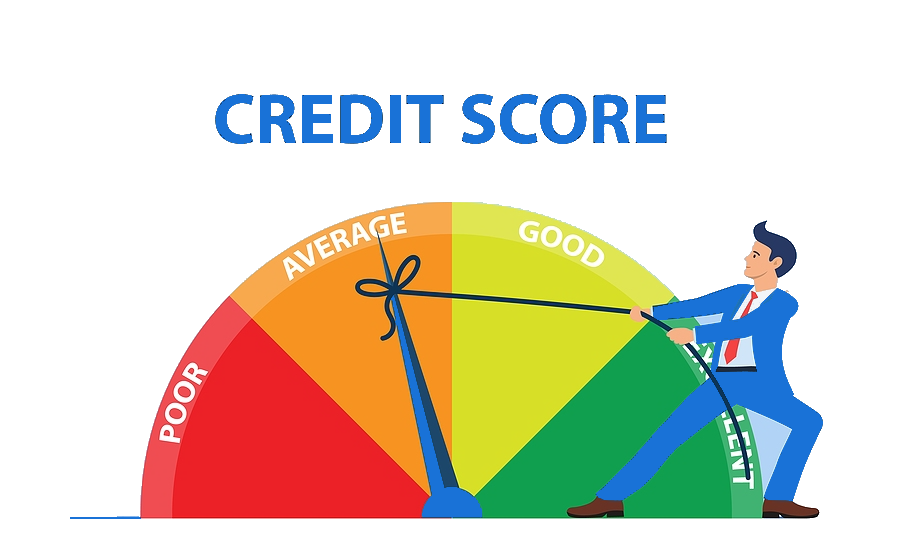
Having a good credit score is becoming increasingly important in the UAE. Whether you want to buy a car, get a mortgage, or even rent an apartment, your credit score plays a key role in the approval process. If you have a low or no credit score, lenders and landlords might see you as a risk, making it harder to get the things you need. So, learning how to build good credit score in UAE is a smart step toward better financial health and opportunities.
This guide will explain what a credit score is, why it matters, and most importantly, how you can improve yours step-by-step. No complicated jargon or confusing rules — just simple, practical advice anyone can follow.
What Is a Credit Score and Why Does It Matter?
Simply put, a credit score is a number that represents your financial trustworthiness. It shows lenders how likely you are to repay borrowed money on time. In the UAE, this number is calculated by the Al Etihad Credit Bureau (AECB) using information from banks and other financial institutions.

A good credit score can open many doors:
- It increases your chances of getting loans and credit cards approved.
- It can get you better interest rates, meaning you pay less over time.
- It builds trust with landlords and utility companies.
- It reflects your financial discipline and reliability.
On the other hand, a low credit score might result in loan denials, higher interest rates, or even difficulty securing rental housing.

Factors That Affect Your Credit Score in UAE
Understanding what impacts your credit score is the first step to improving it. Here are the main factors that influence your credit rating:
- Payment History
Paying your loans, credit card bills, and other financial obligations on time shows you’re reliable. Missing payments or paying late harms your score. - Credit Utilization Ratio
This is the percentage of your available credit you actually use. If you have a credit card with a limit of AED 10,000, but you use AED 9,000, your utilization is 90%. Experts recommend keeping this below 30% to show you’re not overly dependent on borrowed money. - Length of Credit History
The longer you have managed credit accounts responsibly, the better. Closing old accounts too soon can shorten your credit history and reduce your score. - Types of Credit
Having a healthy mix of credit types, like credit cards, personal loans, or mortgages, can be good for your score because it shows you can handle different kinds of debt. - Recent Credit Applications
Applying for many new credit lines in a short period can lower your score because lenders see it as a sign of financial distress.
Step-by-Step Guide to Build Good Credit Score in UAE
Now that you know what affects your credit score, let’s focus on practical steps you can take to improve or build your credit from scratch.
1. Check Your Credit Report Regularly
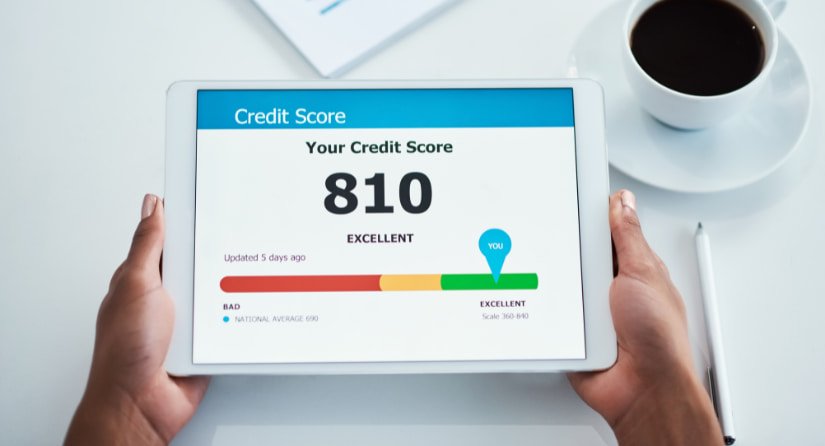
Start by getting a copy of your credit report from the Al Etihad Credit Bureau. You can request this report online or via their app. This report shows your current credit score and detailed information about your credit accounts.
Checking your credit report helps you:
- Understand your current credit standing.
- Identify errors or outdated information that could be hurting your score.
- Plan your next steps based on your credit history.
Make it a habit to check your report every few months to stay updated.
2. Pay Your Bills on Time, Every Time
This is the single most effective way to build good credit. Lenders want to see a consistent record of on-time payments. Even one late payment can affect your score negatively and stay on your report for years.
To stay on track:
- Set up automatic payments if you can.
- Use phone reminders or calendar alerts.
- Prioritize credit card and loan payments.
Remember, paying on time shows lenders you can be trusted with money.
3. Keep Your Credit Utilization Low
Your credit utilization ratio should ideally be below 30 percent. This means if your credit card limit is AED 10,000, try not to carry a balance over AED 3,000.
High utilization indicates you might be relying too much on credit and could be a risk. Even if you can pay the balance in full each month, try to keep your reported balance low by making multiple payments within the billing cycle if necessary.
4. Avoid Applying for Too Many Loans or Cards at Once
Each time you apply for a new credit card or loan, a hard inquiry is recorded on your credit report. Multiple inquiries in a short time can lower your score because lenders see it as a sign of financial distress.
Only apply for new credit when absolutely necessary, and try to space out applications to minimize the impact.
5. Maintain a Healthy Mix of Credit Types
If you only have one type of credit, like a credit card, consider diversifying if it fits your financial situation. For example, a small personal loan or a secured credit card can help show lenders that you can handle different credit products responsibly.
But don’t open new accounts just for the sake of it — only take on credit you can manage well.
6. Keep Old Accounts Open
Even if you don’t use an old credit card often, keeping it open can help by lengthening your credit history. The longer your positive payment history, the more it boosts your credit score.
Closing accounts, especially your oldest ones, can shorten your credit history and lower your score.
7. Manage Your Debt Wisely
Having some debt is normal, but high outstanding balances can hurt your credit score. Make a plan to pay down your debts gradually, focusing first on those with the highest interest rates.
Avoid accumulating more debt than you can repay comfortably.
Common Mistakes to Avoid When Building Your Credit
While building your credit score, watch out for these common mistakes:
- Ignoring your credit report: Not knowing your credit status can lead to surprises when you need credit urgently.
- Missing payments: Late payments damage your score and may lead to penalties.
- Maxing out credit cards: Using too much of your available credit looks risky.
- Applying for too many credit products quickly: This can lower your score temporarily.
- Closing old credit accounts: Reduces the length of your credit history.
Avoid these pitfalls to maintain steady credit growth.
Why Building a Good Credit Score Is Worth It
Improving your credit score is an investment that pays off in many ways:
- Loan approvals become easier: Whether it’s a car, home, or personal loan, lenders will be more willing to approve you.
- Lower interest rates: Good credit means better rates, saving you money over time.
- Higher credit limits: As lenders trust you more, they may increase your credit limits.
- Better rental terms: Landlords may require less security deposit or approve your rental application faster.
- Financial freedom: Good credit opens more doors and reduces financial stress.
Final Thoughts: Take Control of Your Credit Today
To build good credit score in UAE, the key is consistency and smart financial habits. Regularly check your credit report, pay bills on time, keep your credit usage low, and avoid unnecessary credit applications. Over time, these habits will strengthen your credit profile and help you achieve your financial goals with ease.
Remember, building good credit doesn’t happen overnight. But with patience and discipline, you can create a solid foundation for your financial future.
Start today and enjoy the benefits of financial trust and freedom tomorrow.
If you want, I can help you create a simple action plan or checklist to keep you on track. Just let me know!
Would you like a summary or a social media post version for quick sharing?
Do follow UAE Stories on Instagram
Read Next – Best Tips for Saving Money in Dubai: Smart Ways to Cut Costs