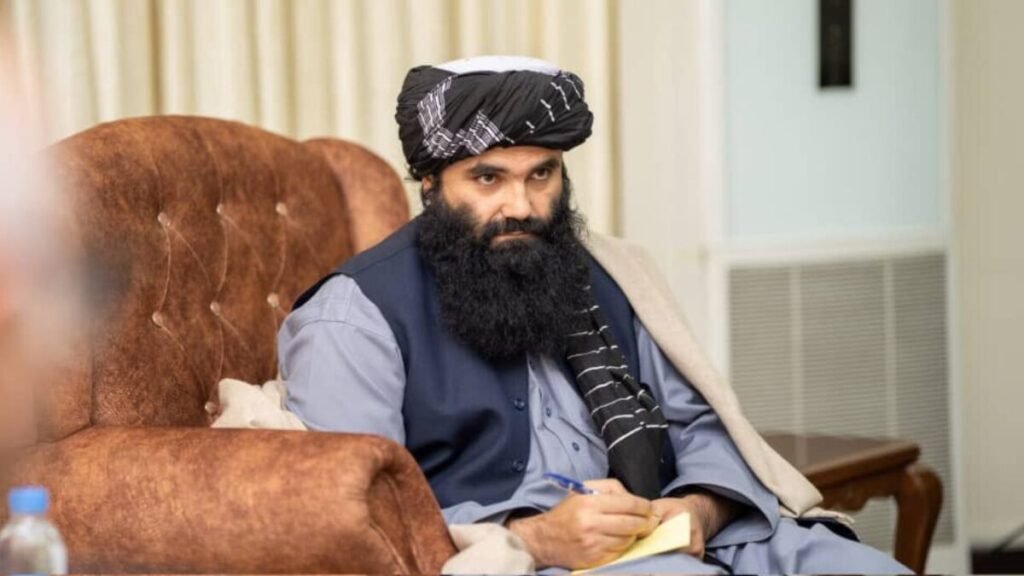
In a development that has sparked widespread international attention, senior Haqqani Network representatives reportedly met with US officials in the United Arab Emirates (UAE). The meeting, disclosed by sources familiar with the matter, marks a significant diplomatic engagement between the two sides, despite longstanding tensions.
This comes at a time when Afghanistan remains at the center of geopolitical concerns, with the Taliban-led government facing challenges ranging from economic instability to global recognition issues. The UAE, a key player in regional diplomacy, is increasingly becoming a hub for backchannel negotiations involving Afghanistan. But what does this meeting mean for the future of US-Afghan relations?
Background: The Haqqani Network and US Relations
The Haqqani Network, an influential faction within the Taliban, has long been a subject of US scrutiny. Known for its strategic military operations and strong ties with regional militant groups, the network has been designated as a terrorist organization by Washington. However, since the Taliban’s return to power in 2021, the Haqqani faction has assumed prominent roles within the Afghan government, making direct engagement with them a necessity for diplomatic progress.

The United States, despite its formal non-recognition of the Taliban government, has maintained indirect channels of communication, primarily focused on counterterrorism, humanitarian aid, and regional security. This latest meeting in the UAE signals a potential shift in approach, indicating that Washington is open to direct dialogue with key Taliban leaders, including those affiliated with the Haqqani Network.
Why the UAE? A Key Diplomatic Ground
The UAE has increasingly positioned itself as a neutral ground for sensitive diplomatic negotiations. Its strategic location, strong ties with both Western and Middle Eastern nations, and history of hosting peace talks make it a preferred venue for backchannel discussions.

Over the past few years, the UAE has played a significant role in Afghan affairs, from facilitating evacuations during the Taliban takeover to offering economic support and humanitarian aid. Hosting the Haqqani-US talks aligns with the UAE’s broader strategy of strengthening its influence in South Asia while maintaining strong relations with global powers like the US.
Key Topics Likely Discussed
While the exact details of the meeting remain undisclosed, analysts speculate that the discussions likely revolved around critical issues affecting Afghanistan and US interests in the region.
1. Counterterrorism and Security Concerns
One of Washington’s primary concerns regarding Afghanistan is the potential resurgence of extremist groups such as ISIS-K (Islamic State Khorasan Province). The US has repeatedly expressed fears that Afghanistan could become a breeding ground for global terrorism if security measures are not strengthened.
The Haqqani Network, despite its controversial past, has a strong intelligence apparatus within Afghanistan. The US may have sought reassurances on counterterrorism cooperation to prevent the rise of groups that threaten both American and regional security.
2. Safe Passage and Humanitarian Aid
Since the Taliban’s takeover, the humanitarian crisis in Afghanistan has worsened, with millions facing food shortages, economic collapse, and lack of medical aid. Washington has been a major donor of humanitarian assistance but has struggled to ensure that aid reaches those in need without benefiting the Taliban leadership.
The meeting could have addressed mechanisms to facilitate the safe delivery of aid, possibly involving the UAE as a mediator. Additionally, discussions on the safe passage of individuals, including former US allies and Afghans at risk, may have been a crucial agenda item.
3. Economic Cooperation and Sanctions Relief
The Taliban-led government has been pushing for the release of Afghan central bank funds frozen by the US and other Western nations. Although Washington has been reluctant to unfreeze assets without guarantees of rights protections, the meeting may have explored pathways for limited economic cooperation.
The UAE, having previously signed investment deals with the Taliban government, could serve as an intermediary in facilitating controlled financial transactions that aid Afghanistan’s economy without violating international sanctions.
4. Political Recognition and International Legitimacy
A major challenge for the Taliban is gaining international recognition, which remains elusive due to concerns over human rights, especially regarding women’s rights and political inclusivity. The Haqqani faction, which holds significant power within the Afghan government, may have sought diplomatic engagement to push for recognition or at least legitimacy in global forums.
While full recognition by the US remains highly unlikely, this meeting suggests that Washington is willing to engage in selective dialogue to manage its interests in Afghanistan.
Implications for US-Afghanistan Relations
The meeting between Haqqani representatives and US officials could have far-reaching consequences for the future of US-Afghan relations.
1. A Possible Shift in US Strategy
While the US has previously avoided direct engagement with the Taliban’s hardline factions, this meeting suggests a more pragmatic approach. By opening channels with key figures within the Afghan government, Washington may be looking for ways to influence decision-making in Kabul without formally recognizing the Taliban regime.
2. Strengthening the UAE’s Role in Regional Diplomacy
For the UAE, facilitating these discussions enhances its standing as a major diplomatic force in the Middle East and South Asia. The country has already hosted negotiations on various conflicts, and its role in Afghanistan-related diplomacy could further cement its status as a global peace broker.
3. Possible Backlash and Regional Reactions
Not everyone will welcome this diplomatic engagement. Hardline factions within the Taliban may view any negotiations with the US as a betrayal of their ideological stance. Additionally, countries like India, which has security concerns regarding the Haqqani Network, may react cautiously to these developments.
Conclusion
The reported meeting between the Haqqani faction and US officials in the UAE is a significant development in the evolving geopolitical landscape of Afghanistan. While details remain scarce, the talks likely centered around security, humanitarian aid, and economic cooperation.
This engagement underscores a shift in US strategy, recognizing that diplomacy—even with former adversaries—is necessary to address ongoing challenges in Afghanistan. Meanwhile, the UAE continues to solidify its role as a key player in regional peace efforts.
Whether this meeting leads to tangible policy changes remains to be seen, but it marks a new chapter in the complex relationship between the US and Afghanistan’s Taliban-led government.
Do follow Uae stories for more Updates
West Zone Supermarket, Al Khail Gate: A Convenient Shopping Destination