His Highness Sheikh Hamdan bin Mohammed bin Rashid Al Maktoum, the Crown Prince of Dubai, has set an important new benchmark in the design and development of Dubai’s roads and bridges. By approving a unique architectural identity for the city’s road projects, Sheikh Hamdan is leading Dubai toward a future where infrastructure is not only functional but also beautiful, sustainable, and reflective of the city’s rich heritage and global ambitions.
This new initiative is part of Dubai’s larger vision to create a fully integrated, modern, and sustainable city that offers an enhanced experience to residents and visitors alike. It marks a significant leap forward in the quality and character of Dubai’s urban environment.
New Design Standards for Dubai’s Roads
Dubai’s roads are no longer just pathways for vehicles; they are becoming a vital part of the city’s identity. The new design standards introduced by His Highness Sheikh Hamdan bin Mohammed bin Rashid Al Maktoum aim to enrich the architectural character of every road, bridge, tunnel, and street element throughout the emirate.

This new architectural identity creates a clear framework for how infrastructure should look and function. It sets standards for bridges, canopies, street furniture, lighting, and other urban components. The goal is to create harmony in the city’s visual landscape, improve the quality of the urban environment, and support sustainable development.
By combining Dubai’s traditional architectural influences with modern design techniques, the city aims to present a unified, distinct urban style that reflects its past and its future.

Major Infrastructure Projects Leading the Way
Two key projects are currently driving the transformation of Dubai’s road infrastructure in line with the new design standards.
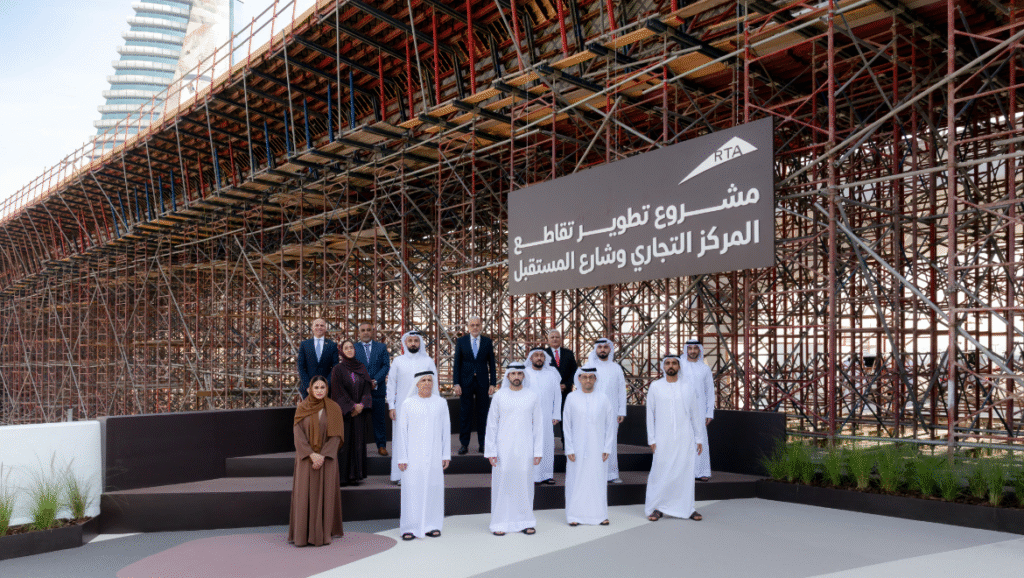
Trade Centre Roundabout Improvement
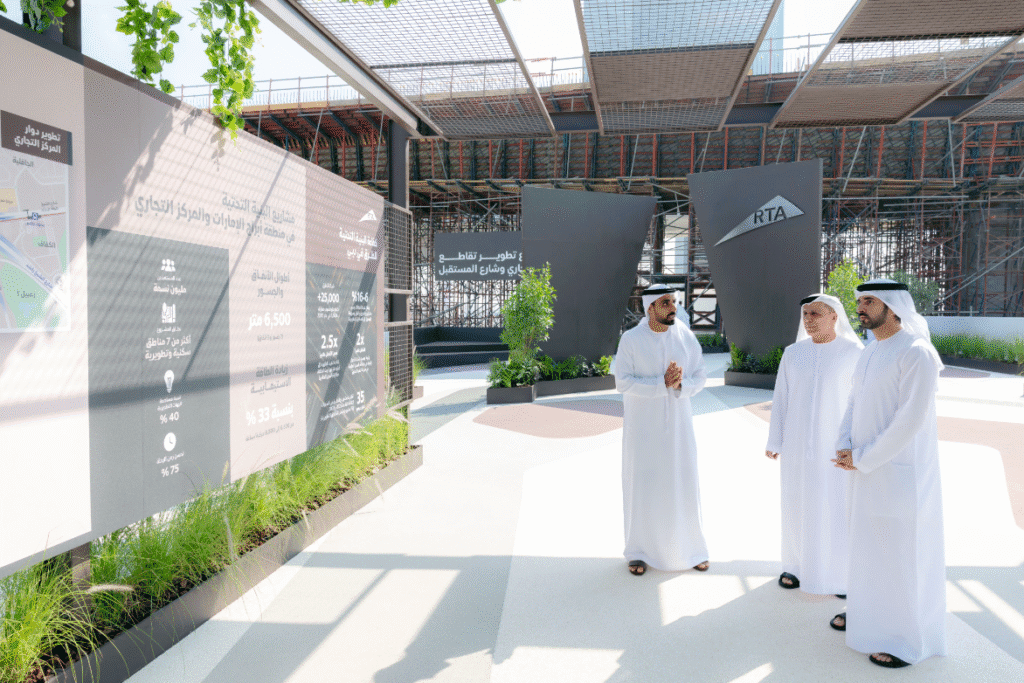
The Trade Centre Roundabout is a critical junction that connects Sheikh Zayed Road with several important streets. The ongoing improvement project includes the construction of seven bridges and three tunnels, stretching across six and a half kilometers.
Once completed, this project will serve several major districts such as the Dubai World Trade Centre, Dubai International Financial Centre, Emirates Towers, Museum of the Future, and Downtown Dubai. It is designed to benefit over a million people by cutting travel times significantly and easing traffic congestion.
Currently, the project is about forty percent complete, with bridges already opening in phases. Upon completion, the project will double the capacity of the junction and reduce travel delays dramatically from an average of twelve minutes down to just ninety seconds in some cases.
Al Mustaqbal Street Widening
The Al Mustaqbal Street Improvement Project runs from Zabeel Palace Street to Financial Centre Street and will widen the road from three to four lanes in each direction. It features three tunnels and a bridge, adding a total of one and a half kilometers of new infrastructure.
This upgrade is expected to increase the road’s vehicle capacity by thirty three percent, allowing it to carry more traffic while reducing travel times from thirteen minutes to six minutes. This will help smooth traffic flow through key areas and improve connectivity with other major roads.
Efficiency and Impact of Dubai’s Transport Network
Dubai’s road and transport network is vast and highly efficient. It covers over twenty five thousand lane kilometers and supports more than three and a half million vehicles every day.
One of the remarkable facts about Dubai’s transport infrastructure is its rapid pace of construction. The city builds more than eight hundred lane kilometers of roads annually, which is twice the global average. This means Dubai continuously expands and improves its road network to keep pace with its growth.
Furthermore, Dubai’s road projects are very cost efficient compared to other major cities, saving both money and time. These infrastructure improvements also have a positive economic impact, contributing to rises in property values and encouraging new investments.
Looking ahead, the city plans to complete dozens of new transport projects over the next few years, spending billions of dirhams to keep Dubai’s roads and transport systems world-class.
Creating a Unique Architectural Identity
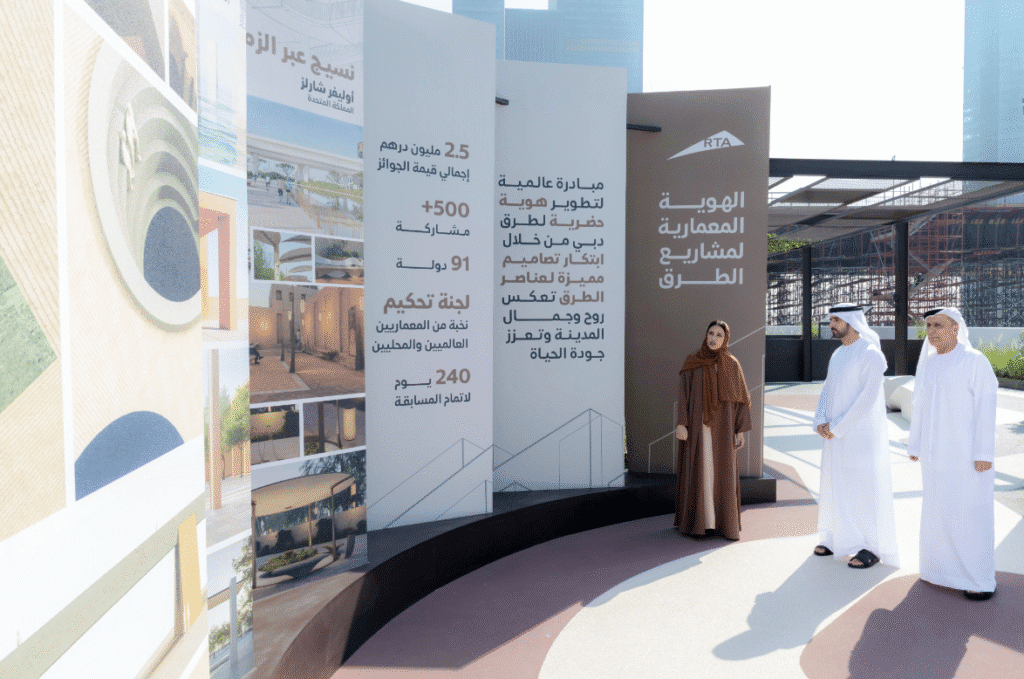
A key part of His Highness Sheikh Hamdan bin Mohammed bin Rashid Al Maktoum’s vision is the architectural identity developed for Dubai’s roads. This identity is designed to give Dubai’s infrastructure a unique look and feel while ensuring all urban elements work together visually and functionally.
The approach draws inspiration from Dubai’s architectural heritage, blending traditional forms and materials with modern design principles. This creates a balance between old and new, reflecting the city’s rich history and its place as a leading global metropolis.
Sustainability is also central to the design standards. Environmentally friendly materials and energy efficient lighting are incorporated, ensuring that Dubai’s roads not only look good but also minimize their environmental impact.
Six Zones Six Styles
To maintain harmony and respect the city’s diverse character, Dubai has been divided into six zones based on land use, activities, and architectural style. Each zone has its own tailored design guidelines to ensure visual consistency while reflecting the area’s unique identity.
- Residential Zones: These areas focus on privacy and calm, using warm, natural colors and materials inspired by the desert environment.
- Rural Zones: Designed to reflect Dubai’s agricultural roots with organic textures and earthy tones.
- Industrial Zones: Simple and functional, these zones use durable materials suited to heavy duty use.
- Mixed Use Zones: These combine residential and commercial spaces, requiring flexible designs that blend public and private areas.
- Historical and Artistic Zones: These celebrate Dubai’s culture and heritage, using traditional design elements and local ornamentation.
- High End Attraction Zones: These feature cutting edge architecture with sleek modern materials and innovative forms, showcasing Dubai’s spirit of excellence.
This zoning ensures that each part of Dubai maintains its own identity while contributing to the city’s overall visual coherence.
The Dubai Urban Challenge Inspiring Creativity
To develop fresh ideas for the city’s road architecture, a global design competition called the Dubai Urban Challenge was launched. It attracted hundreds of artists and architects from around the world, encouraging innovative approaches that combine functionality, aesthetics, and sustainability.
The winning designs brought fresh perspectives on how to tell Dubai’s story through its infrastructure. These creative ideas are being integrated into projects to ensure Dubai’s roads and bridges reflect not just engineering excellence but also artistic vision.
The Dubai Tunnels Initiative Art in Infrastructure
A standout part of the new road design standards is the Dubai Tunnels initiative, which aims to transform tunnels from purely functional spaces into cultural and artistic landmarks.
Artists have been invited to design murals and artwork for eighteen tunnels across the city. These works will help beautify the urban environment and make travel through tunnels a more enjoyable experience.
Innovative technologies are being used to support this vision, including smart adaptive lighting that enhances safety and atmosphere, and durable, artistic wall panels that withstand Dubai’s harsh climate.
The tunnels will be developed in phases, with each set featuring distinct themes and designs. This initiative highlights Dubai’s commitment to merging infrastructure development with cultural expression and sustainability.
Benefits to Residents and Visitors
These new road design standards and infrastructure projects will bring many benefits to everyone in Dubai.
Reduced Traffic Congestion: By increasing road capacity and improving traffic flow, commute times will be shorter and less stressful.
Enhanced Safety: Modern design elements and smart lighting improve safety for drivers and pedestrians.
Improved Urban Aesthetics: Beautiful, cohesive designs will make Dubai’s roads more pleasant to travel on.
Environmental Sustainability: Use of eco-friendly materials and energy efficient technologies supports Dubai’s green goals.
Boosted Economy: Efficient infrastructure attracts investment and increases property values.
Cultural Enrichment: Artistic elements in tunnels and public spaces showcase Dubai’s heritage and creativity.
Overall, these standards aim to create a road network that is not only practical but also contributes to the city’s quality of life and global image.
Dubai’s Vision for the Future
By setting these new road design standards, His Highness Sheikh Hamdan bin Mohammed bin Rashid Al Maktoum is helping Dubai achieve its 2040 Urban Master Plan goals. The city is moving toward a future where urban infrastructure is smart, sustainable, and beautiful—a seamless blend of technology, tradition, and innovation.
Dubai’s roads will become more than just transportation routes; they will be integral parts of the city’s identity, telling its story and reflecting its ambitions. This forward thinking approach sets Dubai apart as a leader in urban development, ready to meet the needs of a fast growing, global city while respecting its cultural roots.
Conclusion
Dubai’s new road design standards, championed by His Highness Sheikh Hamdan bin Mohammed bin Rashid Al Maktoum, represent a bold step toward redefining urban infrastructure. Through major projects like the Trade Centre Roundabout and Al Mustaqbal Street improvements, the city is transforming its road network to be faster, safer, and more beautiful.
The creation of a unique architectural identity, careful zoning, the Dubai Urban Challenge, and the artistic Dubai Tunnels initiative all work together to build a cohesive, modern urban landscape. This vision promises not only to enhance traffic flow but also to enrich the city’s cultural and aesthetic appeal.
As Dubai continues to grow and evolve, these efforts ensure its roads and bridges will reflect the spirit of innovation and excellence that define this remarkable city.
Do follow UAE Stories on Instagram
Read Next – Child Safety Forum 2025: Protect Their Innocence in Sharjah