The Gulf Cooperation Council (GCC) is on the cusp of a remarkable transformation in its tourism sector. Recent projections estimate that tourism spending across the GCC countries will reach an astonishing $223.7 billion by 2034. This surge reflects the region’s ambitious investments in infrastructure, diversification efforts, and its growing appeal as a global tourism destination. With economic diversification a central pillar of GCC strategies, tourism is emerging as a key driver of growth, job creation, and cultural exchange.
The GCC tourism expenditure signals more than just increased travel—it represents the dynamic evolution of an entire region that is embracing innovation while preserving its rich heritage. From luxury resorts in the UAE to cultural festivals in Saudi Arabia, the Gulf is reinventing itself for the modern traveler, positioning tourism as a pivotal sector in its economic future.
Strategic Investments Fueling Tourism Growth
One of the primary reasons behind this anticipated tourism spending boom is the GCC’s focused investments in world-class infrastructure and hospitality. Governments across the Gulf have launched massive projects, including new airports, metro systems, and five-star hotels designed to attract international visitors.

In Dubai alone, initiatives like Expo 2020 and the development of new tourism districts have set the stage for sustained visitor growth. Saudi Arabia’s recent push to open up its borders through relaxed visa policies and tourism-centric projects, such as NEOM and the Red Sea Project, further accelerates this trend. These efforts not only enhance travel convenience but also create unique experiences that draw tourists looking for adventure, luxury, and culture.
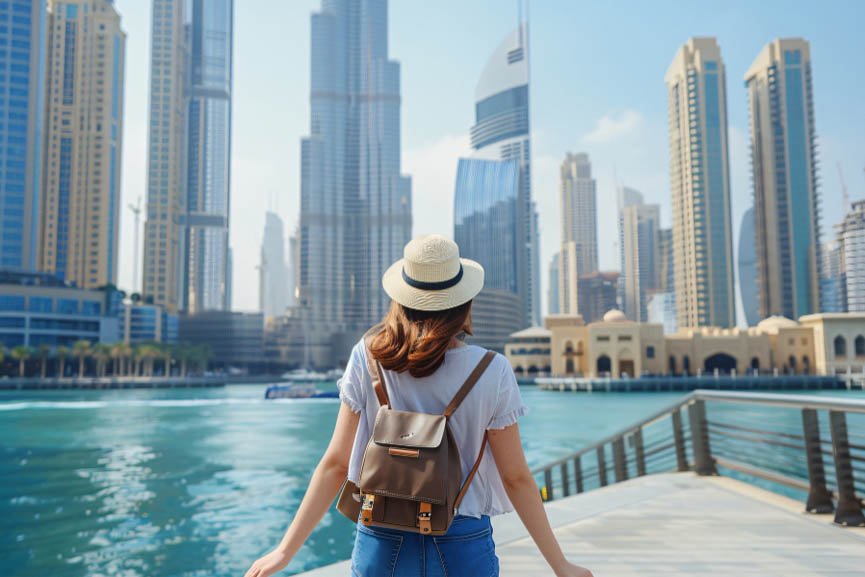
Furthermore, the GCC countries are leveraging technology to deliver personalized travel experiences. Smart tourism platforms, AI-driven recommendations, and seamless payment systems enhance convenience for tourists and improve overall satisfaction.

A Growing Appetite for Cultural and Experiential Travel
Beyond luxury and modern infrastructure, there’s a noticeable shift in GCC tourism towards cultural and experiential travel. Visitors increasingly seek authentic experiences that connect them with the region’s history, traditions, and natural beauty.
Countries like Oman and Bahrain are promoting their heritage sites, traditional crafts, and desert landscapes as part of tourism campaigns designed to attract culturally curious travelers. Festivals celebrating music, art, and culinary traditions are gaining international attention, helping to diversify tourism offerings beyond typical beach resorts and shopping malls.
This trend also aligns with younger generations of travelers who prioritize meaningful experiences over material luxury. The GCC’s ability to blend ancient traditions with futuristic innovation positions it as an appealing destination for a wide spectrum of tourists.
Economic Diversification and Job Creation
Tourism’s rapid growth is playing a crucial role in the GCC’s broader goal of economic diversification. Historically reliant on oil exports, GCC countries recognize that sustainable development hinges on expanding non-oil sectors.
By boosting tourism spending to $223.7 billion by 2034, the region anticipates generating millions of new jobs across hospitality, retail, entertainment, and transport sectors. This diversification helps stabilize economies and offers career opportunities for young nationals, supporting social development and reducing dependency on hydrocarbon revenues.
Governments are also encouraging private sector partnerships and entrepreneurship in tourism-related ventures, from boutique hotels to adventure tourism startups. These initiatives create an ecosystem where innovation thrives alongside traditional business models.
Sustainability Takes Center Stage
As tourism flourishes, the GCC is increasingly focusing on sustainable development practices to preserve its natural and cultural assets. Many new projects incorporate green building technologies, renewable energy, and eco-friendly operations.
The Red Sea Project in Saudi Arabia is a prime example, aiming to be one of the world’s most sustainable tourism destinations with a focus on protecting marine life and minimizing carbon footprints. Similarly, the UAE has launched initiatives to promote sustainable tourism and reduce waste in hospitality sectors.
Sustainability is becoming not only an environmental priority but also a selling point for tourists who value responsible travel. The GCC’s commitment to sustainability reflects a global shift in tourism trends and strengthens the region’s long-term appeal.
Challenges and Opportunities Ahead
While the outlook for GCC tourism spending is overwhelmingly positive, several challenges remain. Regional geopolitical tensions, global economic uncertainties, and changing travel patterns due to health concerns require careful navigation.
However, the GCC’s resilience and proactive approach to innovation equip it to turn these challenges into opportunities. Enhanced regional collaboration, diversification of tourism products, and investment in digital transformation will continue to boost the sector.
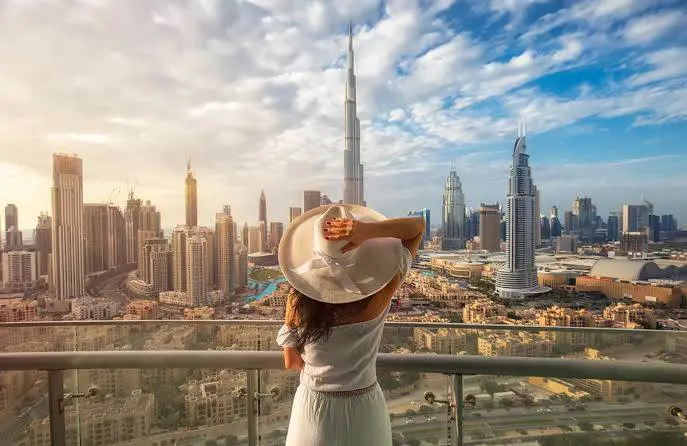
Furthermore, expanding tourism beyond traditional hotspots to lesser-known destinations within the GCC can distribute economic benefits more evenly and attract niche market segments.
Conclusion
The projected surge in GCC tourism spending to $223.7 billion by 2034 marks a new chapter for the region’s economic and cultural landscape. This growth is driven by strategic investments, innovation, and a vibrant mix of experiences that appeal to a diverse global audience.
As the GCC embraces its role as a leading global tourism hub, the ripple effects will touch every facet of society—from job creation and economic diversification to cultural preservation and environmental sustainability.
The journey ahead promises exciting opportunities for travelers and investors alike, as the Gulf’s tourism renaissance reshapes perceptions and unlocks new horizons.
Do follow UAE Stories on Instagram
Read More: From Water Slides to VR Battles, 8 Abu Dhabi Adventures Perfect for Families